Pygmy Seahorses in Indonesia: How to Find the Reef's Tiniest Celebrity
Indonesia has more pygmy seahorse species than anywhere else on earth, and most are under 2.5 cm long. This guide covers the five species you can realistically see, the regions that hold them, and how to spot one without stressing the animal.
Indonesia
Guide
Asia

Photo by
Pascal van de Vendel
A pygmy seahorse is smaller than your thumbnail. Most species grow to under 2.5 cm, and they live on coral that matches their colour and texture almost exactly. That camouflage is the whole appeal. Indonesia is the best country in the world to look for one, because more pygmy seahorse species live here than anywhere else, and local guides find them on ordinary day dives.
This guide covers the species you can realistically see, the regions that hold them, how to spot one yourself, and how to photograph a pygmy seahorse without stressing it.
What is a pygmy seahorse?
Pygmy seahorses are tiny seahorses in the genus Hippocampus that grow to roughly 1.4 to 2.7 cm. They live on gorgonian sea fans, soft corals, hydroids and algae across the tropical Indo-Pacific. Unlike larger seahorses, they have a single gill opening on the back of the head, and males brood their eggs inside the trunk instead of a tail pouch.
The camouflage is why they are so hard to find. Bargibant's pygmy seahorse grows bumps, called tubercles, that copy the polyps of its host sea fan. It also takes on the colour of that fan. Once a young seahorse settles on a host, it tends to stay there for life. That is why a guide can lead you back to the same fan month after month.
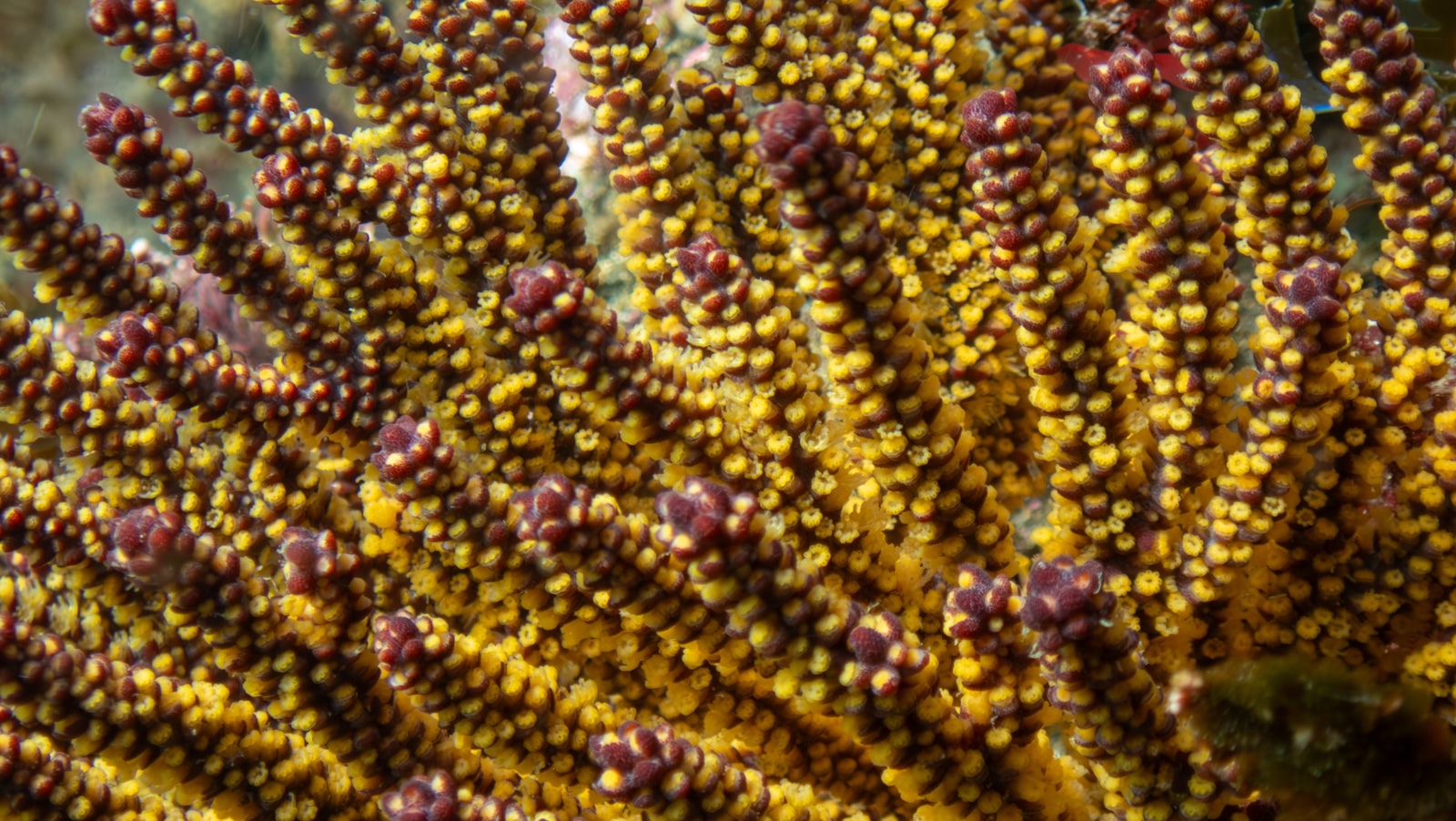
Photo by Erick Morales Oyola
Which pygmy seahorse species live in Indonesia?
Indonesia holds most of the described pygmy seahorse species. Five turn up often enough on guided dives to be worth knowing by name. Two were named after the dive guides who found them, which tells you how much of this work happens underwater rather than in a lab.
Bargibant's pygmy seahorse (Hippocampus bargibanti)
The biggest of the group at around 2.4 cm, and the one most divers see first. It lives only on Muricella sea fans. Two colour forms exist: pale grey to pink with red tubercles, and yellow with orange tubercles. Georges Bargibant found the first one by accident in New Caledonia in 1969, while collecting sea fans for a museum. Most host fans sit between 15 and 40 m.
Denise's pygmy seahorse (Hippocampus denise)
Smaller and slimmer at about 1.6 cm, usually orange, with a smoother body and far fewer bumps. It uses several kinds of gorgonian rather than just one, so you search a wider range of hosts. It was described in 2003 and named after Denise Tackett. It often sits deeper than bargibanti.
Pontoh's pygmy seahorse (Hippocampus pontohi)
About 1.7 cm, cream with red or pink markings, and the odd one out. Pontoh's does not live on sea fans at all. It clings to hydroids and algae on reef slopes, often shallower than 25 m. It is named after Hence Pontoh, an Indonesian dive guide from Bunaken who first showed it to researchers.
Satomi's pygmy seahorse (Hippocampus satomiae)
The smallest seahorse known to science, at roughly 1.4 cm. It was described in 2008 from Derawan in Kalimantan and named after the Japanese dive guide Satomi Onishi. It is most active after dark, so it usually turns up on a dusk or night dive.
Walea pygmy seahorse (Hippocampus waleananus)
Around 1.7 cm, described in 2009 from Walea Island in the Togian Islands of Central Sulawesi. It is the hardest of the five to plan a trip around, because it is tied to one remote corner of the country.
Where to dive for pygmy seahorses in Indonesia
North Sulawesi is the most reliable region for pygmy seahorses. The Lembeh Strait and Bunaken sit a couple of hours apart, and between them hold bargibanti, denise and pontohi. Raja Ampat and Komodo produce sightings on their larger sea fans. Bali offers the easiest first sighting, straight from shore.
Lembeh Strait: the best mix of species in one place, with guides who search sea fans daily. See our Lembeh Strait muck diving guide.
Bunaken: steep walls with gorgonians, and the home water of Pontoh's pygmy seahorse. See our Bunaken diving guide.
Raja Ampat: huge fans on the deeper slopes hold bargibanti and denise. Read the Misool diving guide for the southern sites.
Komodo: sea fans on the sheltered northern sites, usually as a bonus between the big current dives.
Bali: Tulamben and Amed have shallow fans within reach of a shore dive. See our USAT Liberty wreck guide.
Togian Islands and Derawan: the places to go if you want waleananus or satomiae specifically.
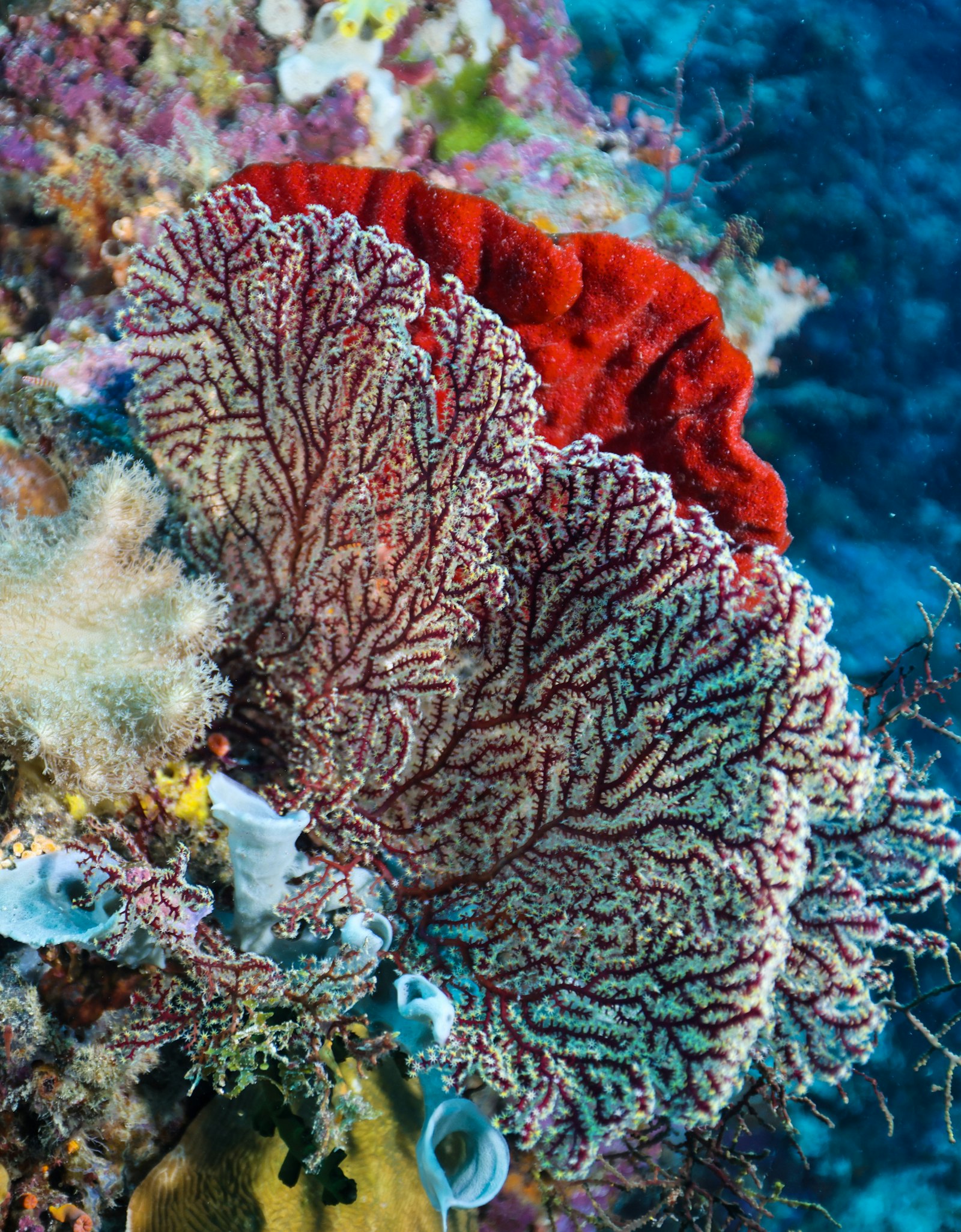
Photo by Ekaterina Zlotnikova
How to find a pygmy seahorse on a dive
Find the host first, then the animal. Scan for a dense, bushy Muricella sea fan in pink, red or yellow, then work across it one branch at a time. Look for the outline of a head and snout, or a pair of eyes, rather than a whole seahorse. Give each fan two or three minutes before you move on.
Your buoyancy matters more than your eyesight. You need to hover still, close to the fan, without touching it. If you cannot hold position in a light current, you will never get the angle you need. Practise hovering before the trip, and use one finger on bare rock if you must steady yourself.
Bring a torch with a narrow beam. Sea fans often sit in shadow under an overhang, and colour drops away fast at 30 m. A small magnifier or a wet dioptre helps if your eyes need it. Most importantly, dive with a guide who knows the site. Almost nobody finds their first pygmy seahorse alone.
Plan the depth. Bargibant's host fans commonly sit between 15 and 40 m, so your bottom time is short and your search is rushed. Nitrox buys you extra minutes on the fan. Sort out your camera settings on the way down, not while you are hanging over the coral.
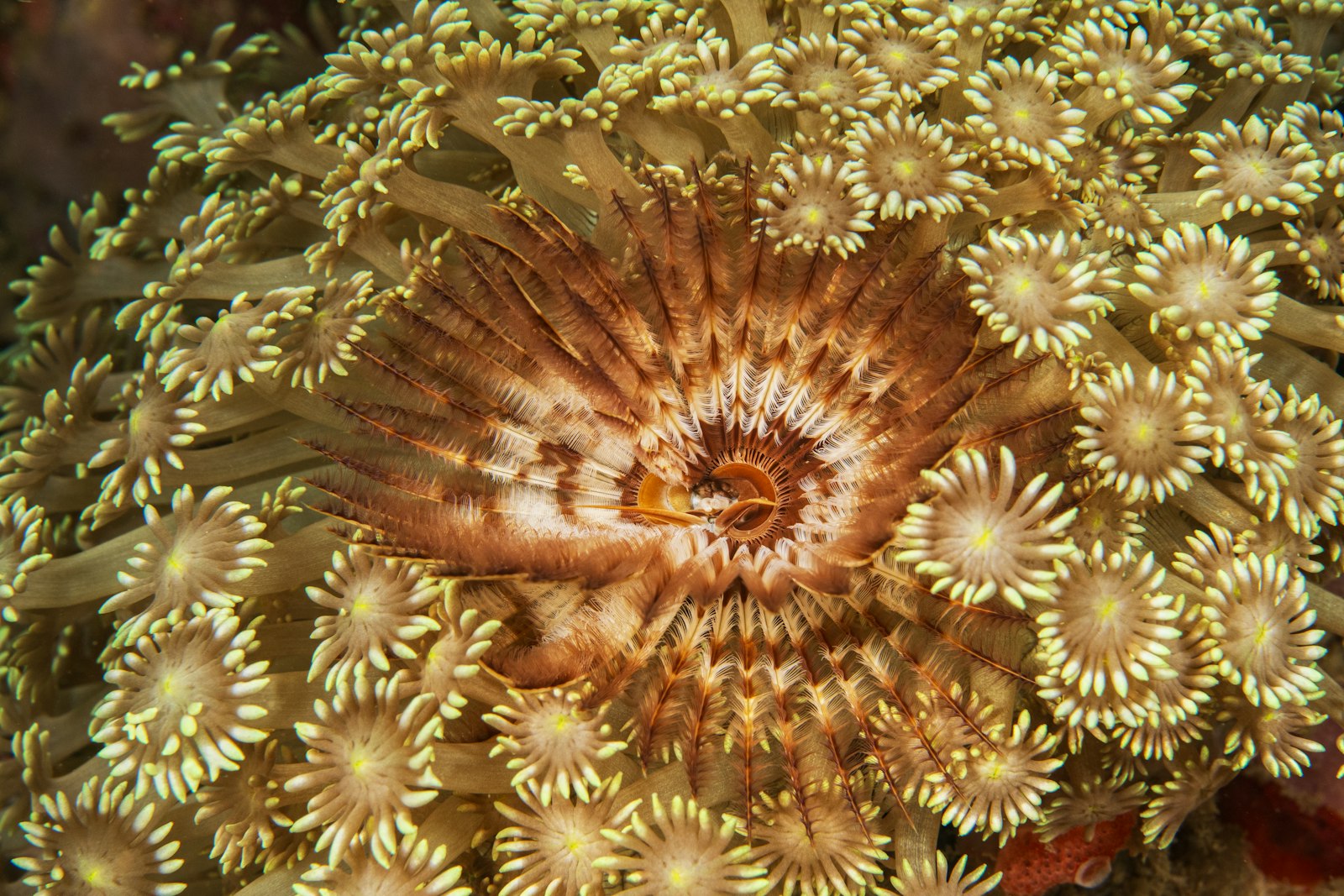
Photo by Pascal van de Vendel
Photographing pygmy seahorses without stressing them
The rule that matters most is simple: never touch the sea fan. Do not bend it, hold it, or move it to get a better angle. The fan is a living colony, and the seahorse spends its whole adult life on it. Handling causes far more damage than any camera does.
Strobe rules vary by operator. Plenty of Indonesian dive centres cap the number of flash shots per diver, and some ban flash on pygmy seahorses outright. Ask at the briefing and follow the house rule without arguing. Keep a focus light dim and angled to the side rather than straight into the animal's eyes.
Take turns. A queue of six divers all pressing in on one fan is how coral gets broken. Shoot a few frames, back off, and let the next person in. If the seahorse turns its back and tucks in, it has had enough. Leave it and find another subject, of which Indonesian reefs have plenty. Our underwater photography tips cover the settings side in more detail.
Pygmy seahorse questions divers ask
How big is a pygmy seahorse?
Between roughly 1.4 and 2.7 cm, depending on the species. Satomi's pygmy seahorse is the smallest known seahorse at about 1.4 cm. Bargibant's is the largest of the group at around 2.4 cm.
Where is the best place in Indonesia to see pygmy seahorses?
North Sulawesi. The Lembeh Strait and Bunaken together hold Bargibant's, Denise's and Pontoh's pygmy seahorses, and the guides there search the same sea fans every day.
Do I need an advanced certification?
Often, yes. Bargibant's host fans usually sit between 15 and 40 m. Pontoh's pygmy seahorse is the exception, because it lives on hydroids and algae shallower than 25 m.
Do I need a macro lens to see one?
No. You only need a lens to photograph one well. To see the animal, a narrow-beam torch, good buoyancy and a guide who knows the fan will do more for you than any camera.
Is flash photography allowed on pygmy seahorses?
It depends on the dive centre. Some cap the number of flash shots per diver and others ban flash on pygmy seahorses completely. Ask during the briefing, and never touch or move the sea fan either way.
Where to book your Lembeh dive trip
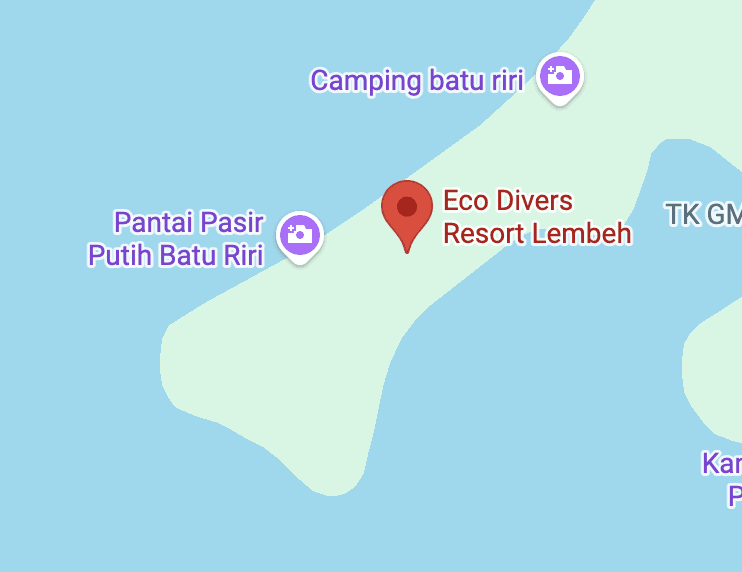
Pygmy seahorses reward slow, guided diving, so the operator you pick matters more than the gear you bring. In the Lembeh Strait, Eco Divers Lembeh, Jandri Scuba Dive Lembeh and Aldmeta Diveshop Lembeh all run small groups with guides who know which fans are occupied.
Compare operators across the country on our dive centres directory, and browse the reefs and muck slopes themselves in the dive sites directory. If you want to build a wider critter trip around this, our nudibranch spotter's guide and North Sulawesi diving guide are good next reads.


Where to book your Lembeh dive trip?




Find certified PADI, SSI, and RAID schools across Asia. Your guide to the world’s most unforgettable dive spots.