Sangeang Volcano Diving: Black Sand and Bubbles Near Komodo
Sangeang is a smoking volcanic island just north of Komodo National Park. Divers come for black sand, warm bubble streams rising from the seafloor, and some of Indonesia's best macro life.
Indonesia
Guide
Asia

Photo by
Adrien Delforge
Sangeang diving takes you to a smoking volcanic island just north of Komodo National Park. Sangeang Api is one of the most active volcanoes in the Lesser Sunda Islands, and its underwater slopes are just as alive. Divers come here for black volcanic sand, warm streams of gas bubbling straight out of the seafloor, and some of the richest macro life in Indonesia. It sits outside the park boundary, but most Komodo liveaboards add a day or two here on the way north from Labuan Bajo or south from Bima.
Sangeang suits divers who love slow, close-up looks at small creatures more than big pelagic action. Underwater photographers in particular tend to love it, since the black sand makes a clean, dark backdrop for macro shots. If you have already dived Komodo's famous drift sites and want something different on the same trip, Sangeang is the contrast you are looking for.
What is Sangeang volcano diving?
Sangeang volcano diving means exploring the shallow black sand slopes around an active volcanic island north of Komodo. Warm gas escapes from vents under the sand, sending steady streams of bubbles to the surface. The volcanic seabed supports dense macro life, from pygmy seahorses to frogfish, making Sangeang one of the top muck diving stops in eastern Indonesia.
The island and its volcano
Sangeang Island is built from two volcanic cones, Doro Api and Doro Mantoi. Doro Api rises to around 1,949 metres and is still active. The volcano has erupted several times in recent decades, including in 2012 and 2014, sending ash plumes visible from Labuan Bajo. None of this activity reaches the dive sites directly. What divers feel instead is warmth in the sand and a steady trickle of bubbles rising through clear water, a gentle reminder of the mountain above.
Best dive sites at Sangeang
Sangeang's dive sites sit close together around the island, so a single day can cover several very different scenes.
Hot Rocks, also known as Black Forest, is the site most divers come for. On the island's north side, a shallow black sand slope releases visible bubble streams from volcanic vents at around 5 metres. Some patches of sand feel noticeably warm to the touch. Black coral bushes and gorgonians here host hawkfish and pygmy seahorses.
Bontoh, named after a small fishing village on the island's western side, is a gentle black sand slope scattered with coral heads. It is a favourite night dive, when nudibranchs, shrimp and crabs come out to feed.
Techno Reef is a small coral bommie on Sangeang's eastern side, sitting on a sand flat at around 12 metres. It is a reliable stop for nudibranchs and reef fish when conditions elsewhere are less settled.
Tanjung Menjangan, also called Lighthouse Bay, is a sheltered black sand and coral garden site. Divers here look for flame file shells, boxer crabs, shrimp and several kinds of pipefish tucked among the rubble.
Macro life at Sangeang
The mineral-rich black sand around Sangeang fuels an unusual mix of marine life. Common sightings include several frogfish species and colour forms, pygmy seahorses, ribbon eels, ghost pipefish, mantis shrimp and a rotating cast of nudibranchs. Ornate ghost pipefish often drift near sea pens, while frogfish tuck themselves into volcanic rubble where they are easy to miss.
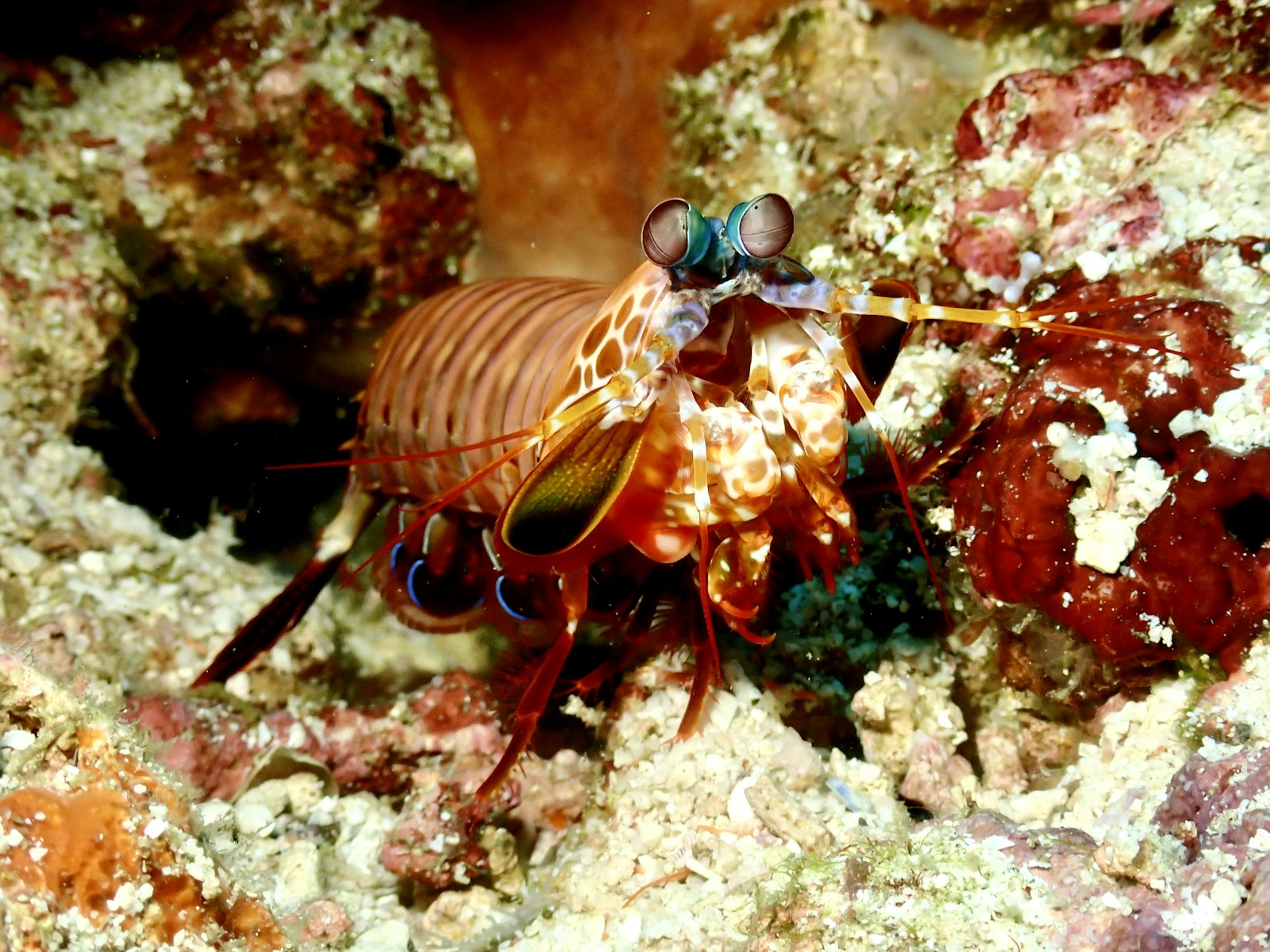
Photo by Claus Giering
Mantis shrimp are one of Sangeang's signature sightings. They dart between burrows in the sand and rubble, so a slow, patient approach gives you the best chance of a good look. Ribbon eels also show up regularly here, in black, blue and yellow colour phases depending on age and sex. Nudibranchs turn up in high numbers on almost every dive, especially on night dives at Bontoh.
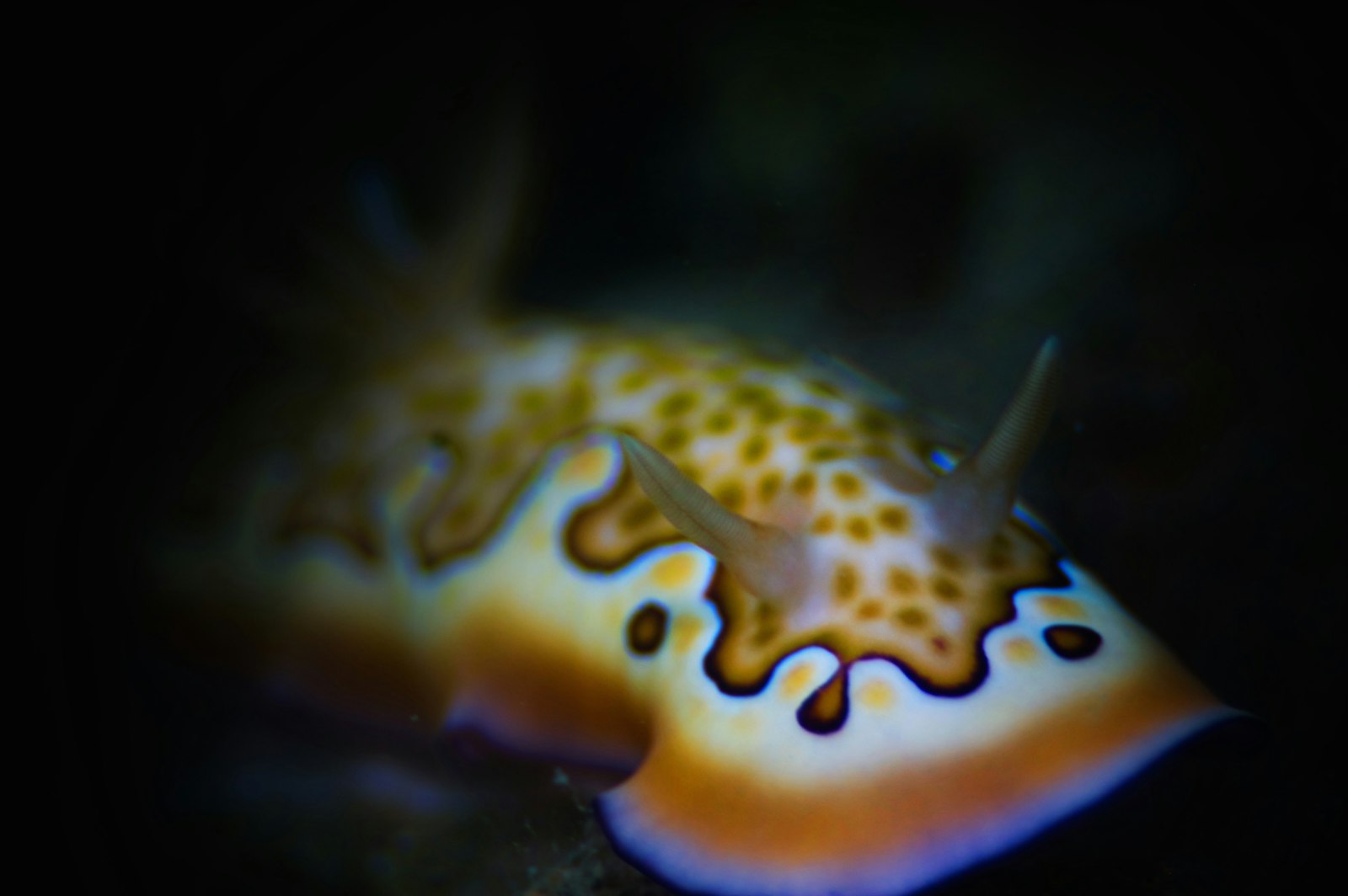
Photo by Will Turner
Water conditions, depth and current
Sangeang diving is shallow and easy. Most sites sit between 5 and 18 metres, with Hot Rocks starting as shallow as 5 metres. Current is generally mild to non-existent, which makes it a good stop for divers who want to slow down and hunt for critters rather than fight a drift. Water temperature runs from about 26 to 30 degrees Celsius, so a 3mm wetsuit is usually enough. Visibility is typically good, since the black sand sites are sheltered from the swell that affects more exposed parts of Komodo.
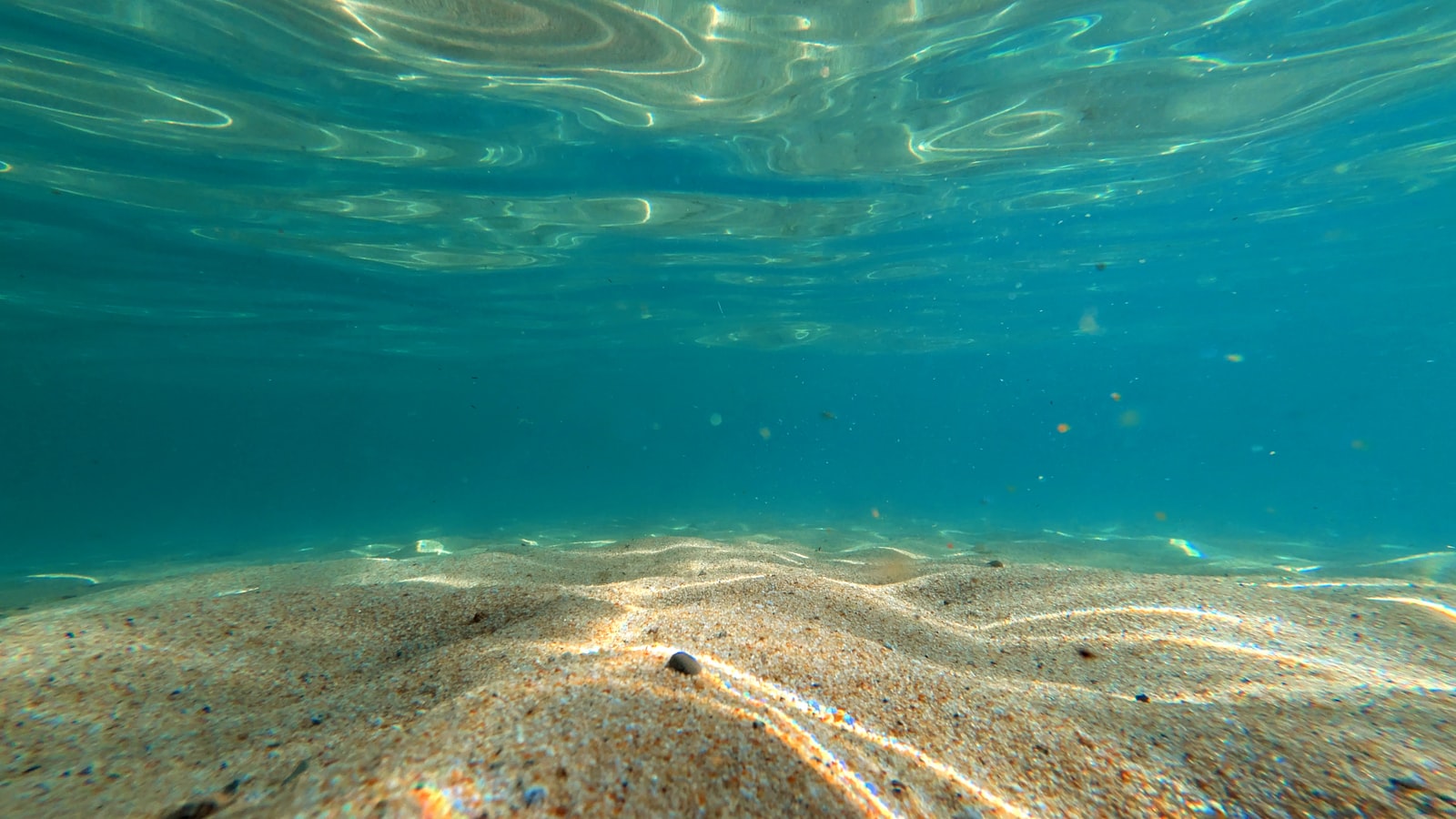
Photo by Aishwarya MV
Best time to dive Sangeang
The dry season, from April to November, gives the clearest water and the calmest boat crossings. Sangeang's bay is sheltered, though, so the sites stay diveable through the wetter months too if your liveaboard schedule brings you this way. Most itineraries pair a Sangeang stop with dives further south in Komodo National Park, so check your season plans against both regions before booking.
How to get to Sangeang from Komodo
Sangeang sits in the channel between eastern Sumbawa and Komodo, so almost nobody visits it as a standalone destination. Most divers reach it aboard a liveaboard running between Labuan Bajo and Bima, often as an add-on to a longer Komodo itinerary. A handful of operators in Labuan Bajo also run day trips to Sangeang, usually with two or three dives included. Either way, you will fly into Komodo Airport (LBJ) in Labuan Bajo first, with daily connections from Bali and Jakarta.
Frequently asked questions
Is Sangeang part of Komodo National Park?
No. Sangeang sits just outside the park boundary, in the channel toward Sumbawa. Most Komodo liveaboards still include it, since it is close to the park's northern route.
Is Sangeang volcano diving safe?
Yes, for divers with basic Open Water certification. The dive sites themselves are shallow, current-free and well away from any eruption risk. The bubbles you see are simply escaping gas, not a sign of danger underwater.
What certification level do I need for Sangeang?
Open Water divers can dive most Sangeang sites comfortably, since depths rarely exceed 18 metres and current is minimal. A macro-focused dive still rewards a stable, controlled buoyancy, so some prior experience helps you get close to small subjects safely.
Can I dive Sangeang without a liveaboard?
Some Labuan Bajo dive centers run day trips to Sangeang, though the crossing takes longer than a typical Komodo day trip. Most divers see it as part of a multi-day liveaboard route instead.
What should I bring for Sangeang diving?
A dive torch and a macro lens or macro setting on your camera make the biggest difference here. A 3mm wetsuit covers the warm water, and a fine-tipped pointer stick helps you check the sand for heat before you kneel down near the vents.
Where to book your Sangeang dive trip
Sangeang is usually booked as part of a wider Komodo trip rather than on its own, so start with a Komodo-based dive center or liveaboard operator. Neren Diving Komodo, Uber Scuba Komodo and Mako Diving Komodo all run trips out of Labuan Bajo that can include a Sangeang stop on request. For the full range of routes, see our Komodo liveaboard guide and the complete Komodo National Park diving guide. Browse more dive centers and dive sites across Indonesia to plan the rest of your trip.


Where to book your Komodo dive trip?
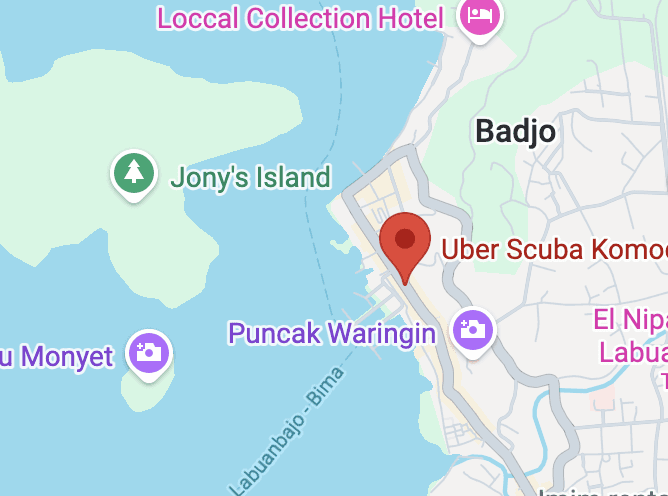



Find certified PADI, SSI, and RAID schools across Asia. Your guide to the world’s most unforgettable dive spots.