Komodo Liveaboard Guide: Routes, Seasons and Choosing a Boat
A Komodo liveaboard puts you at the park's best dive sites for days at a stretch, instead of squeezing into one day trip from Labuan Bajo. This guide covers the north and south routes, the best months to sail, and what to check before you book a boat.
Indonesia
Guide
Asia

Photo by
Johnny Africa
A Komodo liveaboard is a multi-day dive boat trip through Komodo National Park, where you sleep on board and dive three or four times a day. Trips run from three days to ten, all departing from Labuan Bajo, and reach sites a single day trip cannot cover. This guide explains the routes, the best season, and how to pick a boat.
Day trips from Labuan Bajo usually stay close to the central park, near sites like Batu Bolong. A liveaboard lets you wake up already anchored at a dive site, so you reach the northern seamounts and the southern macro sites that a day boat cannot reach and return from in one day.
Komodo National Park is a UNESCO World Heritage Site, protected for its dragons on land and its reefs underwater. Between the coral and the current, this stretch of water holds some of the best diving in Indonesia.
North Route or South Route: Which Should You Choose?
Komodo National Park splits into two very different diving zones. The north has strong currents, cooler water pushed up from deep channels, and big fish action. The south trades that current and visibility for nutrient-rich water, soft corals, and rare macro life.
North: Big Fish and Seamounts
Crystal Rock and Castle Rock are the north's signature seamounts. Both sit underwater at high tide, pull strong current, and draw grey reef sharks and dense schools of fish. Visibility here often passes 20 meters. In the central park, Batu Bolong is a current-swept pinnacle covered in soft coral, with reef sharks and Napoleon wrasse patrolling its walls. Tatawa Kecil, nearby, offers similar reef life with a gentler current, a good stop for less experienced divers.

Photo by David Clode
South: Macro Life and Mantas
South of Komodo, Horseshoe Bay covers two sites, Cannibal Rock and Yellow Wall of Texas, known as the park's best macro photography ground. Expect frogfish, scorpionfish, and nudibranchs tucked into the reef, alongside bigger passersby like trevally and bamboo sharks. Manta Alley, further south, has manta encounters most of the year, with dozens of mantas feeding in cooler water from January to March.
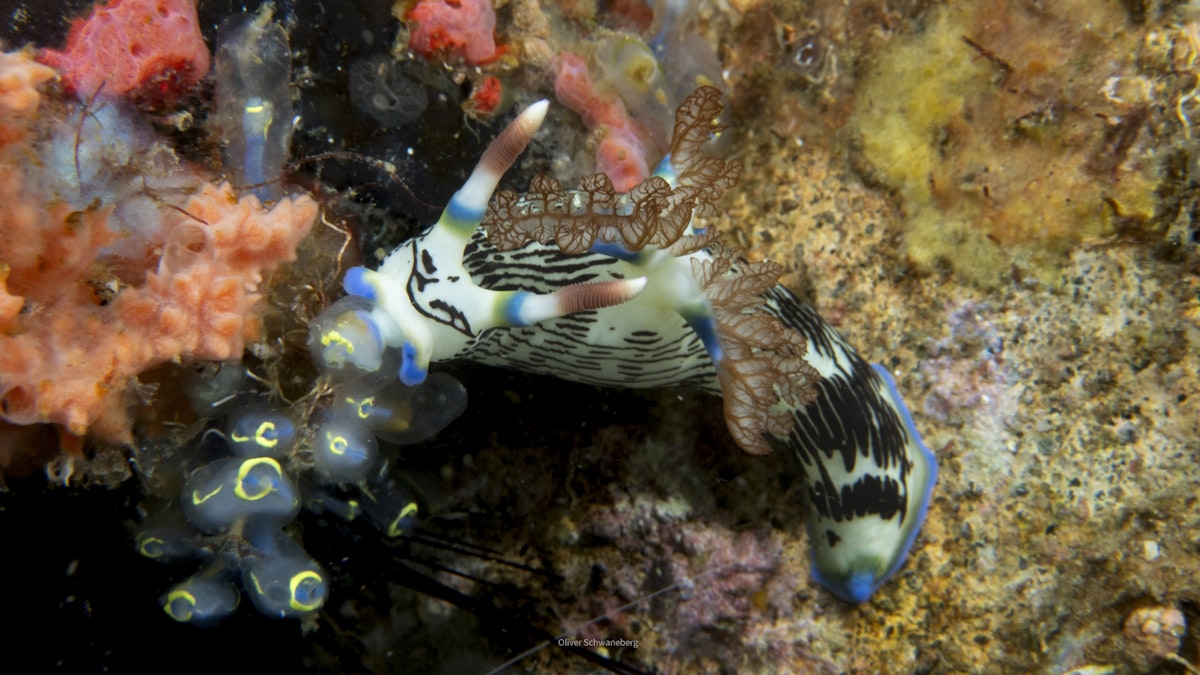
Photo by Oliver Schwaneberg
Longer liveaboard trips often combine both routes into one itinerary, so you are not forced to pick just one.
How Long Should Your Komodo Liveaboard Be?
Trip length decides how much of the park you see. A three-day trip works as a highlight reel, covering Padar Island, Pink Beach, and a Manta Point. A four-day trip adds central and northern sites, plus a Komodo dragon trek on Rinca or Komodo Island, with nine to twelve dives total. Reaching both the northern seamounts and the southern Horseshoe Bay in one trip usually takes seven to ten days. Longer trips also leave more room for weather days, since captains sometimes reroute around wind and swell.
A Typical Day on a Komodo Liveaboard
Most days follow the same rhythm. The crew wakes divers early, before the wind picks up, for the first dive of the day. A full breakfast follows, then a second dive, lunch, a surface interval to explore an island like Padar or Kelor, and a third dive in the afternoon. Some boats add a night dive or an early sunrise trek up Padar Island for the view over its pink and white beaches. Evenings usually end with a dive briefing for the next day's sites.
Best Season for a Komodo Liveaboard
Komodo has a dry season from April to November and a wet season from December to March. The best diving window sits between June and October, when visibility often passes 30 meters. May to August brings the calmest seas and clearest skies, though steady winds from June to August can make the north choppier.
The wet season has its own upside. Fewer boats sail, prices drop 15 to 25 percent below peak, and manta season overlaps with these months in the south. Visibility drops in places from extra plankton, but the nutrient-rich, warmer water in the central and southern park keeps turtles especially active.
How to Choose a Komodo Liveaboard Boat
Komodo's currents make the boat and crew you choose matter as much as the route.
Ask for the guest-to-guide ratio. Six divers per guide is standard; four per guide is safer given how strong Komodo's currents get.
Check the cabin type. Budget boats offer shared bunk cabins, while higher-end boats have private en-suite rooms with air conditioning. Cabins near the engine room are noisier, and stern cabins feel more motion than cabins midship.
Note the boat size. Budget liveaboards carry 14 to 22 guests, while smaller boutique boats carry 6 to 10, which usually means more personal attention from the crew.
Confirm what is included. Cabin, meals, tanks, weights, and three to four guided dives a day should be standard. Ask separately about nitrox, dive computer rental, and Komodo National Park permit fees, since these are sometimes charged on top.
What to Pack for a Komodo Liveaboard
Bring reef-safe sunscreen, since Komodo's currents mean real time spent on deck between dives. A light jacket helps for cooler mornings and northern dive sites, where the water runs colder than the rest of Indonesia. Pack seasickness tablets even if you rarely need them, since crossings between north and south can get choppy. Bring cash for tips and any extras not included in your package, since Labuan Bajo's ATMs are not always reliable.
Getting to Labuan Bajo
Almost every Komodo liveaboard departs from Labuan Bajo, on the western tip of Flores Island. Direct flights connect Labuan Bajo to Bali and Jakarta. Since liveaboards leave on a fixed schedule, arrive a day early to leave room for flight delays.
Komodo Liveaboard FAQs
How many days should a first Komodo liveaboard be?
Four days is a good starting point. It covers central and northern sites plus a dragon trek, with nine to twelve dives.
What is the best month for Komodo liveaboard diving?
June to October has the clearest water and calmest seas, often past 30 meters visibility. December to March is cheaper and better for spotting mantas in the south.
What guest-to-guide ratio should I look for?
Ask for four divers per guide. Komodo's currents are strong, and a ratio of six to one or higher makes it harder for a guide to watch every diver.
Where do Komodo liveaboards depart from?
Almost every Komodo liveaboard leaves from Labuan Bajo on Flores Island, reached by direct flights from Bali and Jakarta.
What does a Komodo liveaboard price usually include?
Most prices include the cabin, meals, tanks, weights, and three to four guided dives a day. Nitrox and park permit fees are sometimes extra, so confirm before booking.
Where to Book Your Komodo Liveaboard
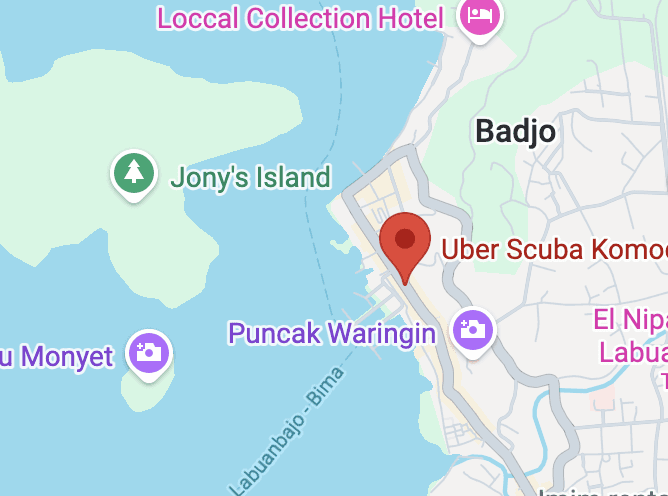
Ready to book? NEREN Diving Komodo and Uber Scuba Komodo both run liveaboard trips out of Labuan Bajo, and Mako Diving Komodo can help plan your trip in Spanish. Browse more options on our dive centers directory, or check the dive sites guide to plan which routes match what you want to see. For a wider look at diving in the park outside a liveaboard, read our Komodo National Park guide, or see our region-by-region season guide for the rest of Indonesia.


Where to book your Komodo liveaboard?




Find certified PADI, SSI, and RAID schools across Asia. Your guide to the world’s most unforgettable dive spots.