Mola Mola Diving in Nusa Penida: Indonesia's Oceanic Sunfish Season
Every year between July and October, giant ocean sunfish rise from deep water to visit shallow reefs near Bali. Here is when to go, where to dive, and what a mola mola encounter in Nusa Penida is really like.
Indonesia
Guide
Asia

Photo by
I Wayan Dirgayusa
Mola mola diving in Nusa Penida is one of Indonesia's strangest and most exciting encounters. Every year, giant ocean sunfish rise from deep water to visit shallow reefs near Bali, and divers travel from all over the world to see them. This guide covers when to go, where to dive, and what to expect underwater.
What Is a Mola Mola?
The mola mola, or ocean sunfish, is the heaviest bony fish in the world. It has a flat, round body with no real tail, and it can grow taller than a person. Mola mola normally live in deep, cold water. They come up to shallow reefs to visit cleaning stations, where small fish pick parasites off their skin.
Divers in Nusa Penida sometimes call this fish "the moon fish" because of its round shape. It is not aggressive and will usually hold still at a cleaning station while cleaner fish do their work, which is why divers can get a good, calm look at it.
Mola mola spend most of their lives far below recreational diving depths, feeding on jellyfish and other soft-bodied animals in open water. Their visits to shallow reefs are short, often just a few minutes, before they sink back down. That short window is part of what makes a sighting feel special rather than routine.
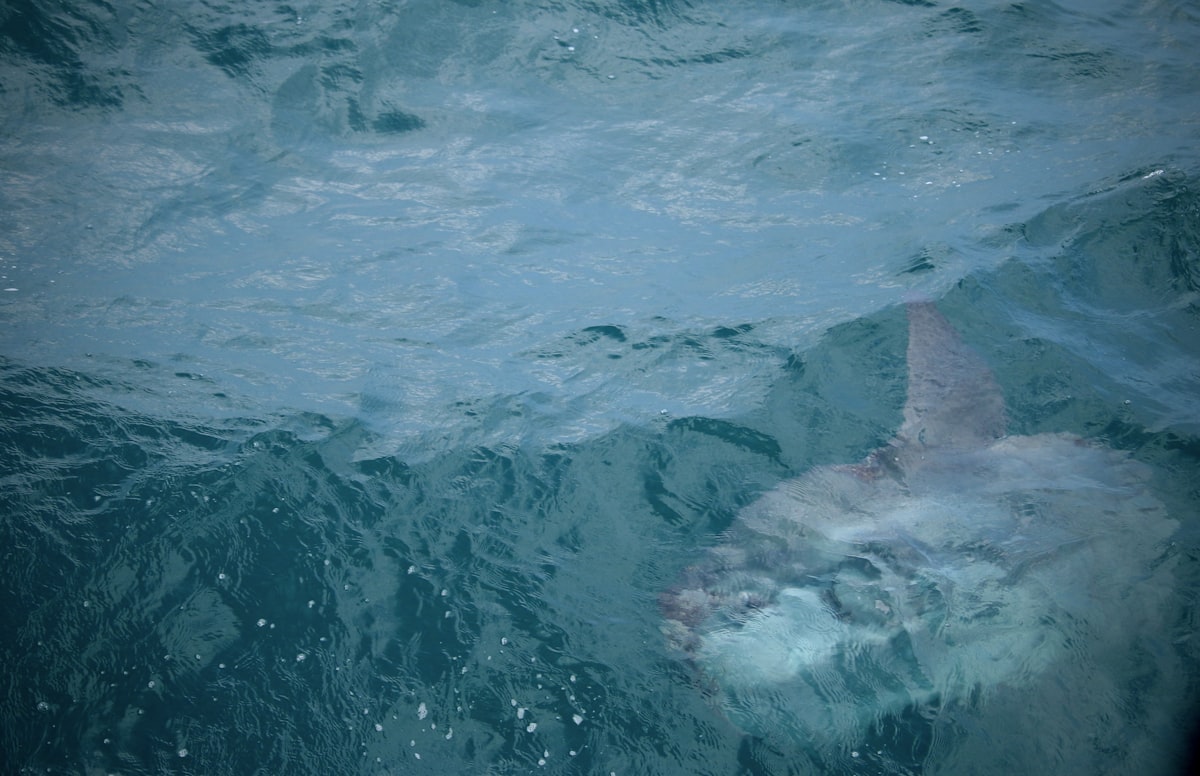
Photo by Gabriel Schumacher
When Is Mola Mola Season in Nusa Penida?
Mola mola season in Nusa Penida runs roughly from July to October, with August and September usually giving the most reliable sightings. This is Bali's dry season, when cold water rises from the deep in a process called upwelling. That cold water carries mola mola up toward the reef, closer to where divers can reach them.
Outside these months, mola mola sightings become rare. Warmer water pushes the fish back down to depths beyond normal recreational diving range. If seeing a mola mola is the main goal of a trip, plan a visit inside the July to October window and ask the dive center about recent sightings before booking.
Best Dive Sites for Mola Mola in Nusa Penida
Crystal Bay is the most famous mola mola site in Nusa Penida, and most dive centers run their sunfish trips here first. It has a cleaning station on a shallow reef area where mola mola are seen more often than anywhere else on the island.
Crystal Bay: the classic mola mola site, with a cleaning station in the 15 to 25 metre range. Currents can be unpredictable and strong, so a guide who knows the site well matters.
Blue Corner (Ceningan Wall): a steep wall dive on the Nusa Ceningan side, known for currents and occasional mola mola passing through deeper water.
Toyapakeh (PED): a reef slope dive between Nusa Penida and Nusa Lembongan, more consistent for reef life, with mola mola as a possible bonus sighting.
Most operators plan mola mola dives for the early morning, since sightings tend to drop off later in the day once the water warms slightly and boat traffic increases.

Photo by Nott Peera
What to Expect Underwater
Mola mola diving in Nusa Penida means cold water, strong currents, and patience. Upwelling can drop water temperature well below what divers find elsewhere in Bali, so most divers wear a 5mm wetsuit or thicker during sunfish season.
Currents at Crystal Bay and nearby sites can change quickly. Divers often hook onto the reef with a reef hook, or hold onto a fixed point, and wait quietly near a cleaning station rather than swimming after the fish. Chasing a mola mola usually just scares it back into deep water.
Visibility is often very good during upwelling months, since the incoming cold water tends to be clear. That combination of clear water and a stationary, giant fish is what makes a mola mola sighting so memorable for the divers who get one.
How to Prepare for a Mola Mola Dive
Mola mola sites in Nusa Penida suit divers who are comfortable with current and cooler water, not total beginners. An Advanced Open Water certification, or equivalent drift diving experience, makes the dive far more relaxed.
Bring or rent a 5mm wetsuit, hood, and gloves for the cold water at depth.
Ask your dive center about a reef hook if currents are expected to be strong.
Keep some distance from the cleaning station and move slowly. Mola mola are easily spooked by fast movement or bubbles blown directly at them.
Book an early morning slot, since most mola mola sightings happen before mid-morning.
A good local dive center will check recent sighting reports before choosing which site to run that day, which improves the odds significantly over picking a random operator.
Diving Responsibly Around Mola Mola
Mola mola are easy to disturb, and a startled fish will leave the cleaning station early, ending the sighting for everyone in the water. Good practice is simple: stay low, keep a few metres of distance, and let the fish set the pace rather than swimming toward it.
Avoid pointing a flash or strobe directly at the fish's eyes, and never touch it, both for the animal's sake and because mola mola skin carries a thick layer of mucus and parasites that can irritate human skin. Groups should also spread out around the cleaning station rather than crowding one side, so the fish has a clear path back to open water when it is ready to leave.
Frequently Asked Questions
What is the best month to see mola mola in Nusa Penida?
August and September give the most consistent mola mola sightings in Nusa Penida, though the wider season runs from July through October during the dry season upwelling period.
Is mola mola diving suitable for beginners?
Mola mola diving is best suited to divers with Advanced Open Water certification or solid drift diving experience, since sites like Crystal Bay involve cold water and unpredictable currents.
Where is the best place to see mola mola in Bali?
Crystal Bay in Nusa Penida is the most reliable mola mola site near Bali, thanks to its shallow cleaning station where the fish regularly stop to be cleaned.
How cold is the water during mola mola season?
Upwelling during mola mola season can drop water temperatures noticeably below Bali's usual range, which is why most divers wear a 5mm wetsuit or thicker for these dives.
Can you see mola mola and manta rays on the same trip?
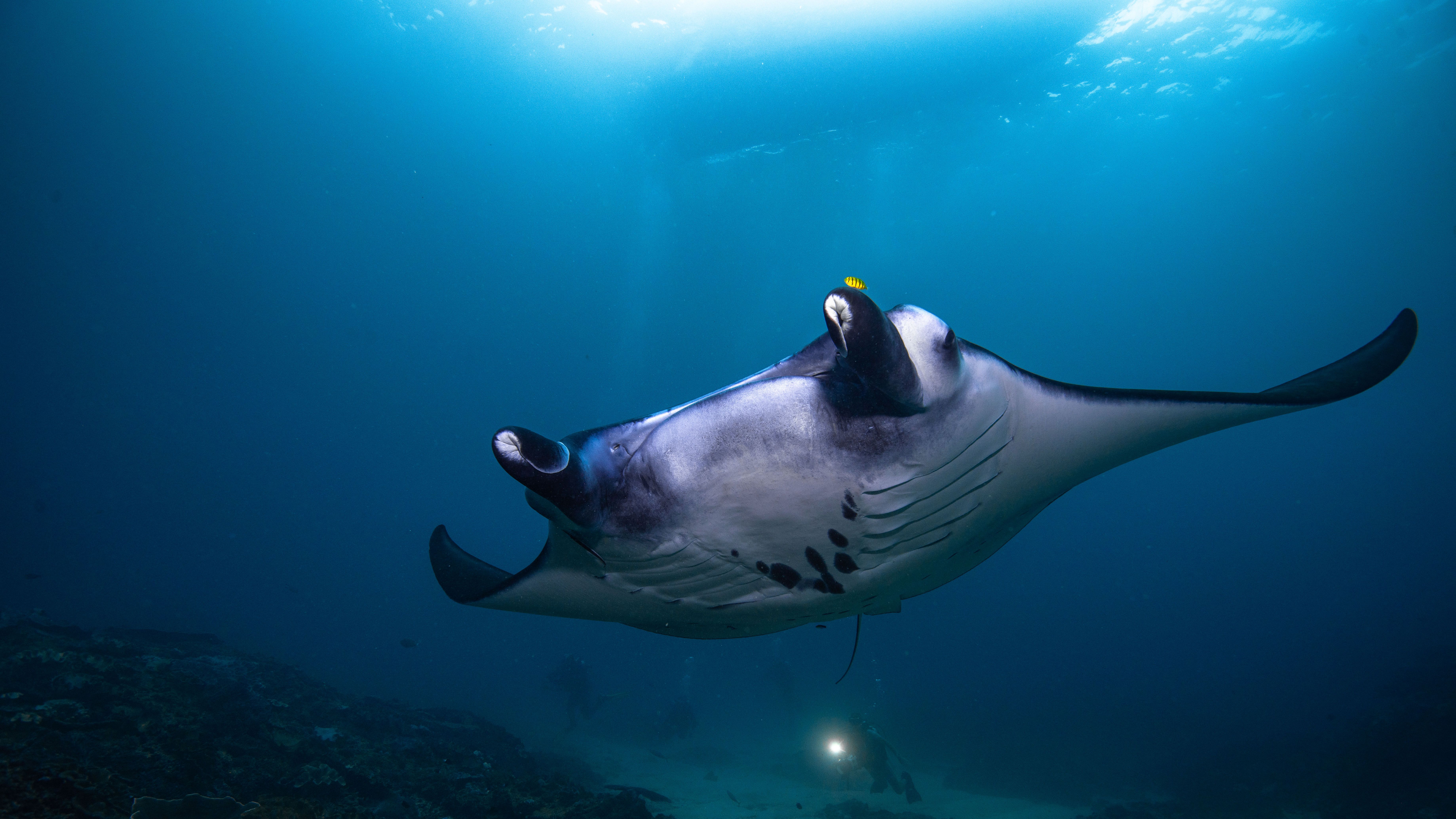
Many dive centers combine a morning mola mola dive at Crystal Bay with an afternoon manta ray dive at a separate site, since the two species are found at different locations around Nusa Penida.
Where to Book Your Mola Mola Dive
Mola mola diving rewards patience and local knowledge, so picking a dive center that dives Nusa Penida daily makes a real difference. Operators such as Pure Dive Resort, Legend Diving Lembongan, and Blue Corner Dive run regular Nusa Penida trips and track recent mola mola sightings before choosing a site. For a broader look at the island's dive sites, see our Nusa Penida diving guide, and for the neighboring island's easier reefs, check the Nusa Lembongan diving guide. You can browse every listed dive site on Scubalo's dive site directory or compare operators on the dive center directory.


Where to book your Nusa Penida dive trip?

Find certified PADI, SSI, and RAID schools across Asia. Your guide to the world’s most unforgettable dive spots.