Nusa Lembongan Diving Guide: Mangroves, Mantas and Easy Reefs
Nusa Lembongan sits a short boat ride off Bali's east coast, with calm harbor access and dive sites for every level. Expect drift-swept coral walls, mangrove-lined channels and regular manta ray encounters nearby. This guide covers the best sites, when to go and how to get there.
Indonesia
Guide
Asia

Photo by
Johnny Africa
Nusa Lembongan diving mixes drift-swept coral walls, mangrove channels and manta ray cleaning stations, all a 30-minute boat ride from Sanur. The island suits every level, with sheltered bays for beginners and current-driven walls for experienced divers. Visibility often tops 20 metres, and reef life ranges from turtles and eagle rays to the occasional mola mola.
Best Dive Sites in Nusa Lembongan
Nusa Lembongan's best dive sites sit across three channels: the strait facing Ceningan, the open water off Jungutbatu, and the wall on Ceningan's east side. Each site offers a different mix of current, coral and marine life, so most operators plan two-tank days that pair a drift site with a calmer reef.
Mangrove Point
Mangrove Point sits on Lembongan's north coast, facing the strait toward Nusa Ceningan. A long, gently sloping coral plateau catches a steady current, making it one of the region's best drift dives. Divers pass turtles, eagle rays and schools of trevally, and mola mola show up here in season too.
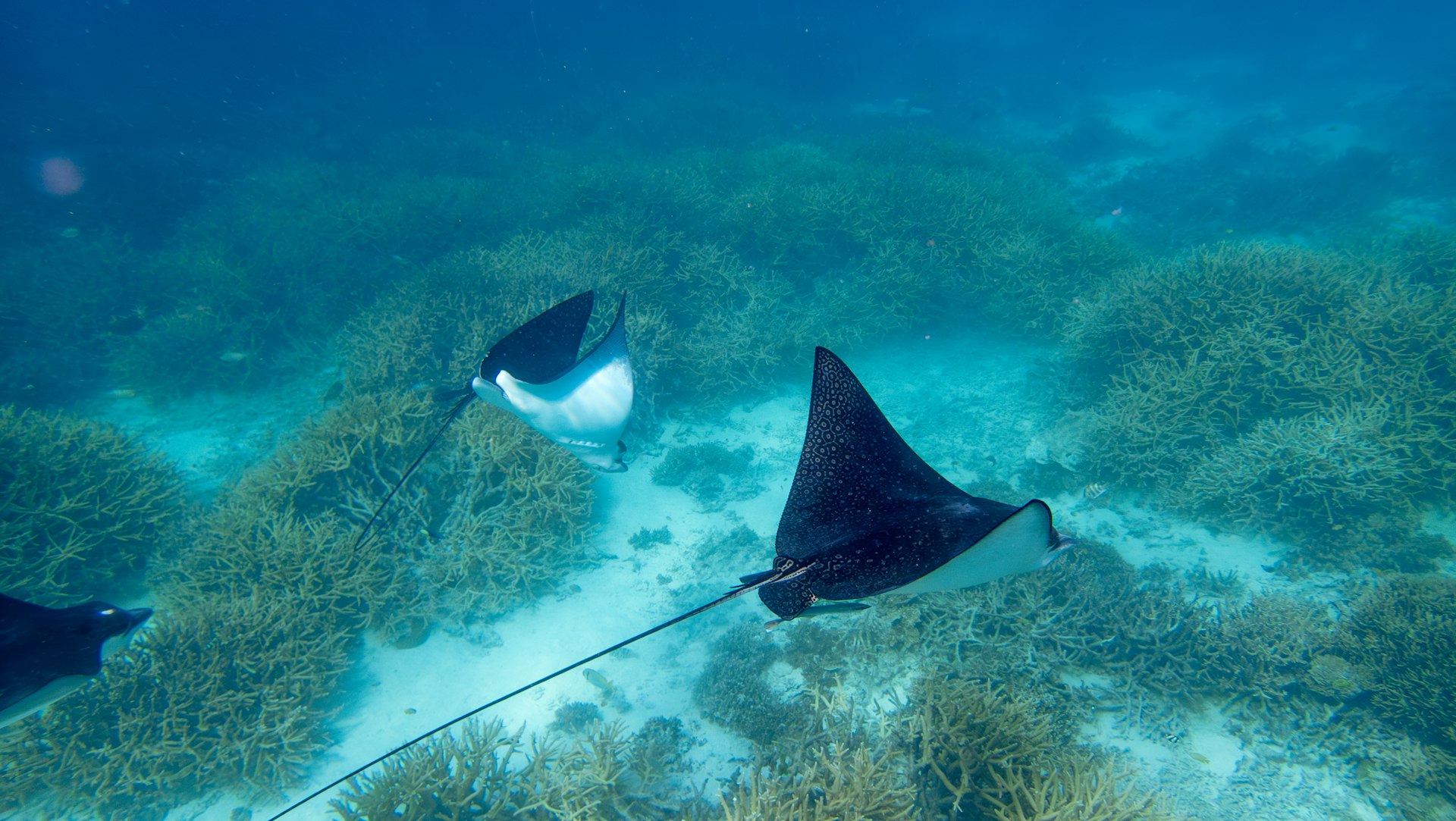
Photo by Erick Morales Oyola
Blue Corner
Blue Corner is Lembongan's most famous site. A steep rocky slope drops past overhangs and stone outcrops toward a plateau below. Drift with the current toward the thermocline to look for mola mola and eagle rays, and watch the blue water for reef sharks, tuna and wahoo. Currents here can run strong and unpredictable, with up and down surges, so most shops save this site for divers with solid drift diving experience.
Ceningan Wall
On the east side of Nusa Ceningan, this wall drops to 170 metres. Nutrient-rich water flowing out of nearby mangroves feeds dense coral growth and draws in reef fish. Current can run strong here, so it suits divers with some drift diving experience.
Toyapakeh
Toyapakeh sits in the channel between Nusa Penida and Nusa Ceningan. Colorful coral gardens and a wide range of reef species make it a good fit for new divers and for experienced divers who want an easier day between drift sites.
Diving with Manta Rays Near Nusa Lembongan
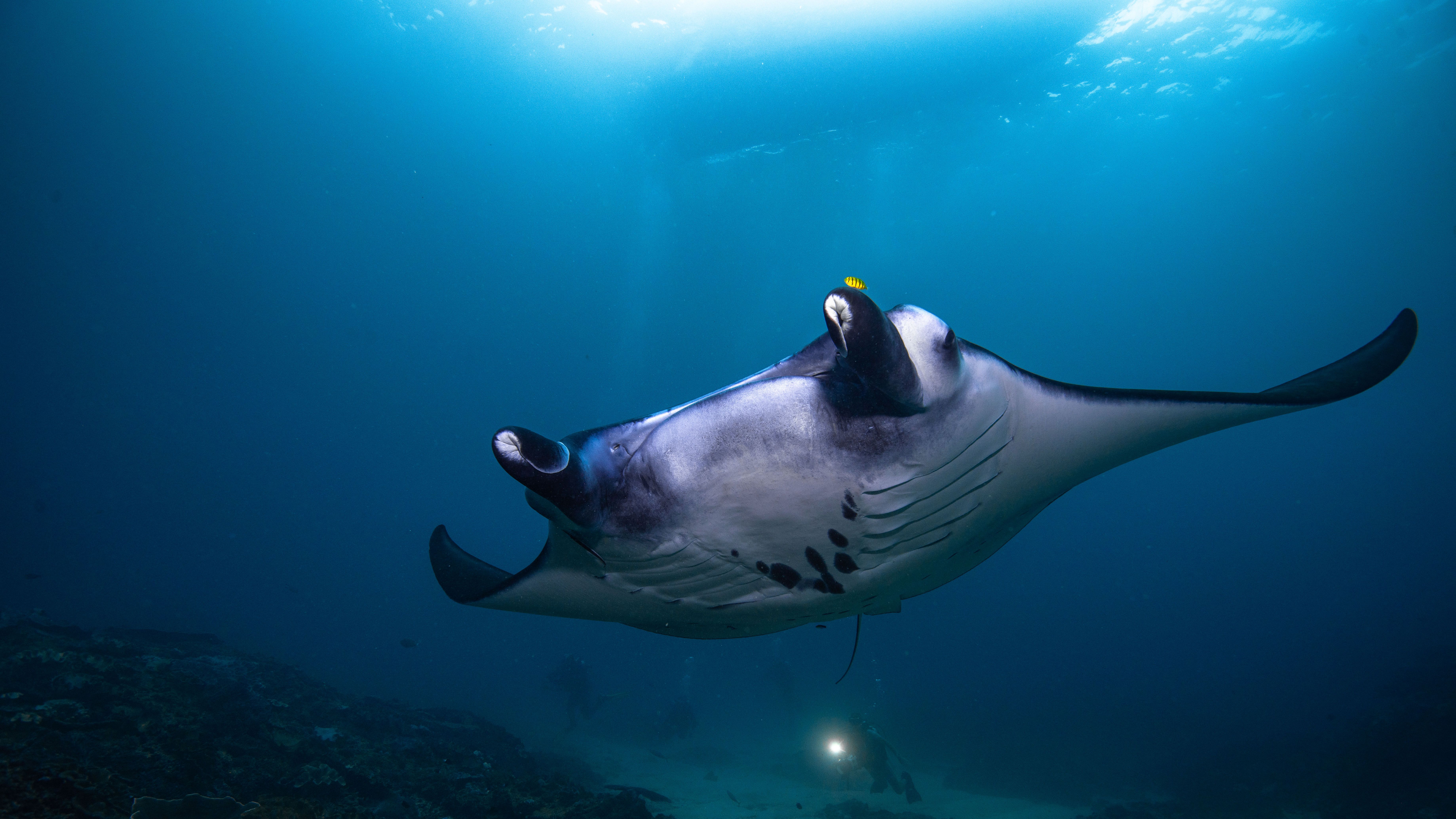
Reef manta rays gather at cleaning stations near Nusa Penida, a short boat ride from Lembongan's dive shops. Divers drop onto a current-swept slope and wait as mantas glide in to be cleaned by small fish, often circling within a few metres of the group.
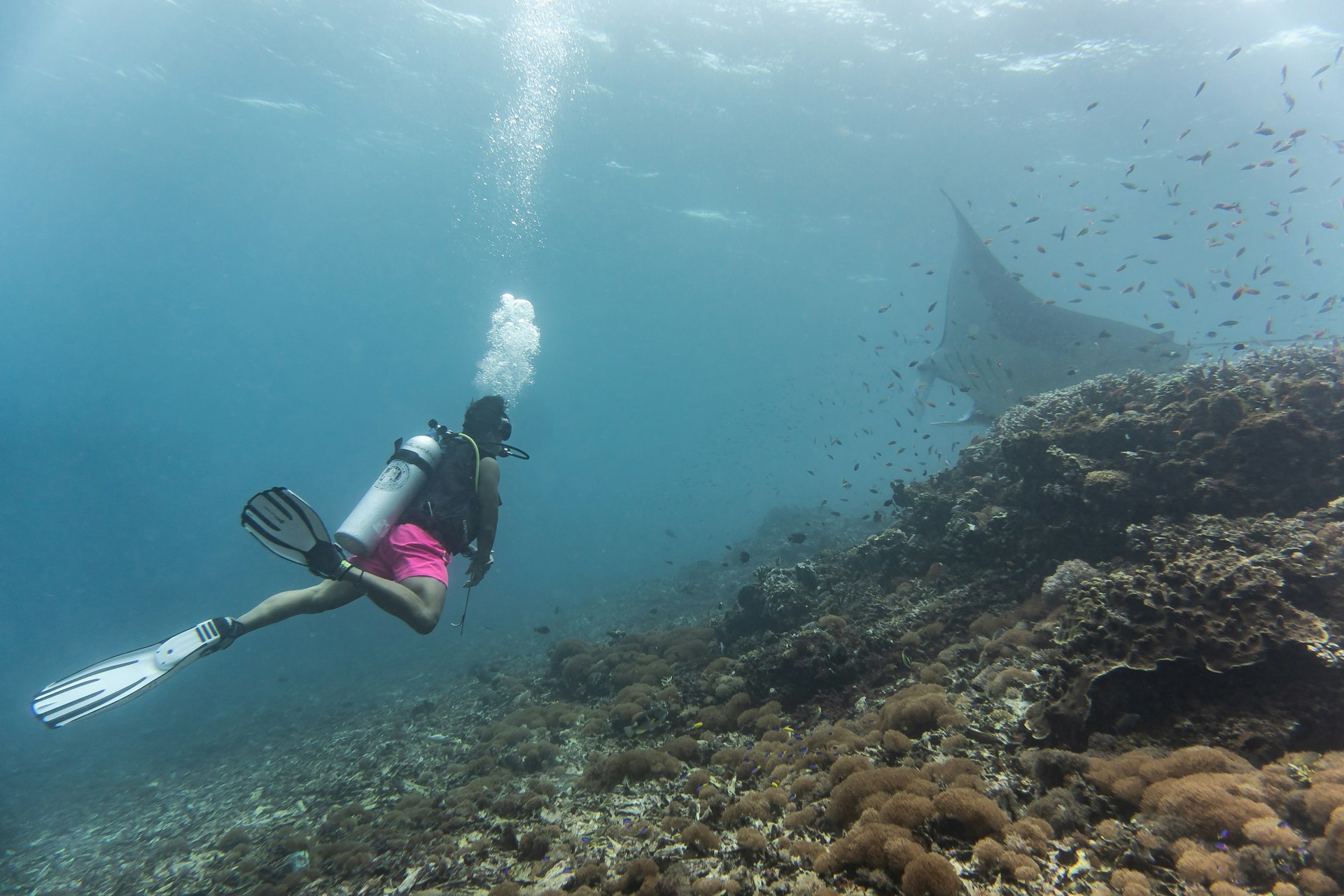
Photo by Johnny Africa
Most Lembongan-based operators run manta trips as part of a two- or three-tank day. Conditions here can be surgy, so shops usually brief beginners on how to hold position on the reef without touching the rocks or coral.
The Mangroves and Marine Life of Nusa Lembongan
The mangrove forest lining Lembongan's north coast is not just scenery. It shelters juvenile fish and feeds nutrient-rich runoff to the reefs offshore, which is part of why sites like Mangrove Point stay productive year after year.
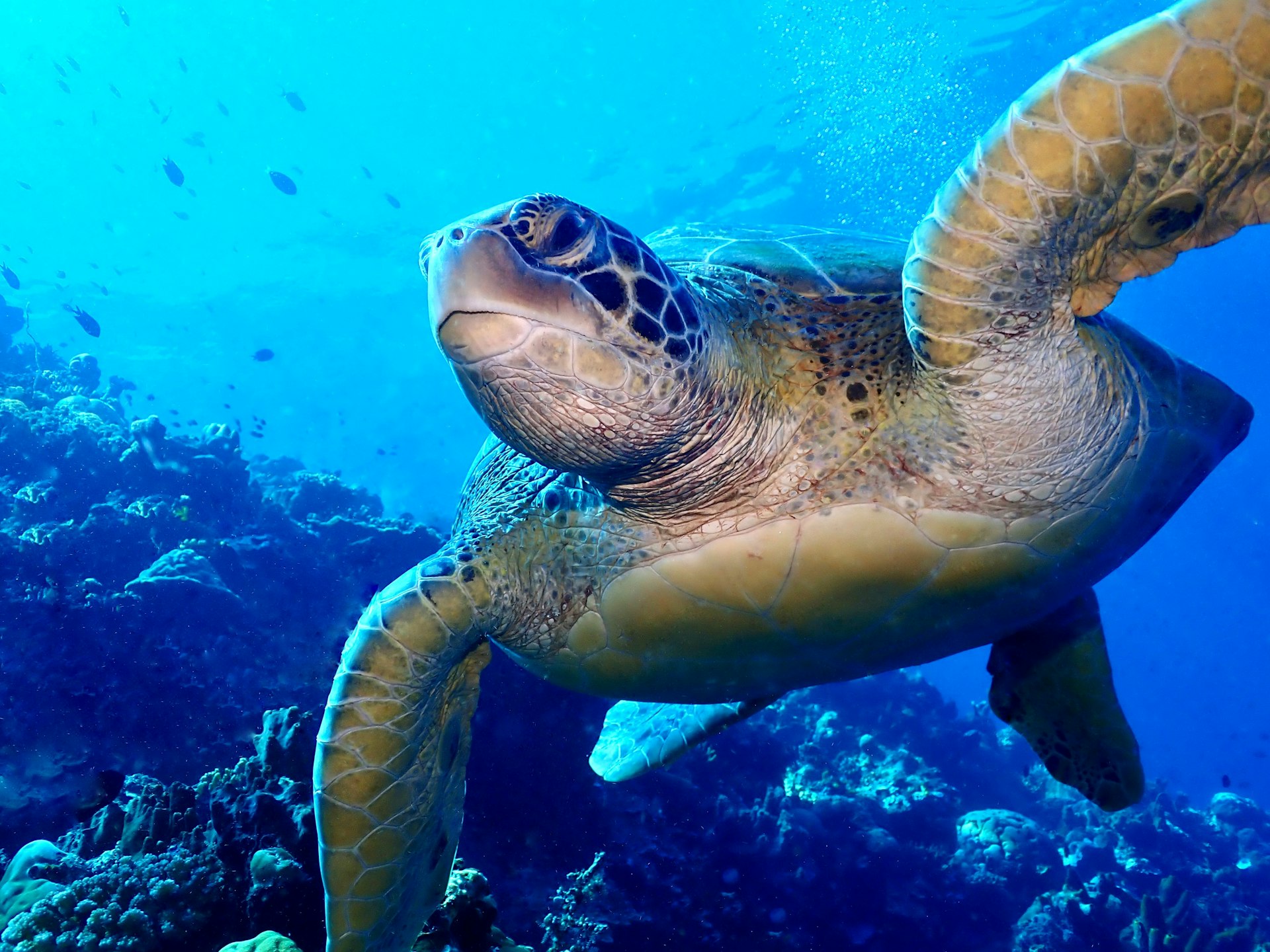
Photo by Claus Giering
Underwater, divers find green sea turtles resting on the reef, eagle rays gliding past in loose formation, and schools of trevally moving through open water. Muck diving fans can also search the sandy patches for smaller finds like nudibranchs and juvenile reef fish.
The mangroves are worth a look above water too. Several operators on the island run kayak and stand-up paddleboard tours through the channels, winding between root systems that break the current and calm the water close to shore. It is a good way to spend a surface interval between dives.
How Experienced Do You Need to Be?
Nusa Lembongan diving works for a wide range of skill levels, but the region has a reputation for strong current, so match the site to your experience. Toyapakeh and the calmer parts of Mangrove Point suit newer divers and those still building confidence in moving water.
Blue Corner and Ceningan Wall ask more of you. Currents can shift direction without warning, and the occasional down current can pull divers deeper than planned. Most dive shops recommend an Advanced Open Water certification and some drift diving experience before booking these two sites.
Best Time to Dive Nusa Lembongan
The best time to dive Nusa Lembongan runs from May to October, Bali's dry season. Visibility peaks in September, often past 35 metres on the walls, while August brings the calmest seas. Mola mola sightings cluster from July through September.
Water temperature usually sits around 28°C, but a cold upwelling from Nusa Penida pushes a thermocline through the deeper sites between June and October. At 18 to 22 metres, temperatures can drop to 16 to 22°C, so pack a 5mm wetsuit or a hooded vest if you plan to dive during mola mola season.
Outside this window, currents and swell can pick up, and visibility drops on some sites. Diving still happens year-round, so ask your dive shop about conditions before you book if you are traveling outside the peak months.
Getting to Nusa Lembongan
Getting to Nusa Lembongan from Bali takes about 30 minutes by fast boat from Sanur. Most dive shops on the island run daily two-tank trips, and some also offer day trips out from Sanur for divers staying on the Bali mainland.
Once on the island, dive sites sit close together, so boat rides between them run 10 to 20 minutes. This keeps surface intervals short and leaves time for a relaxed lunch between dives.
Many divers choose to stay a few nights on Lembongan rather than commute from Sanur. Basing yourself on the island means shorter mornings before the first dive, and it leaves afternoons free for the mangrove kayak tours or a walk along Jungutbatu beach.
Frequently Asked Questions
Is Nusa Lembongan good for beginner divers?
Yes. Sites like Toyapakeh offer calmer coral gardens suited to new divers, while Blue Corner and Ceningan Wall suit divers with drift diving experience.
When is the best time to see mola mola near Nusa Lembongan?
Mola mola sightings cluster from July through September, during Bali's dry season when visibility is also at its best.
How do I get to Nusa Lembongan for diving?
A fast boat from Sanur takes about 30 minutes. Most dive shops on the island run daily two-tank trips to nearby sites.
Can I dive with manta rays from Nusa Lembongan?
Yes. Reef manta rays gather at cleaning stations near Nusa Penida, a short boat ride from Lembongan's dive shops.
Where to Book Your Nusa Lembongan Dive Trip
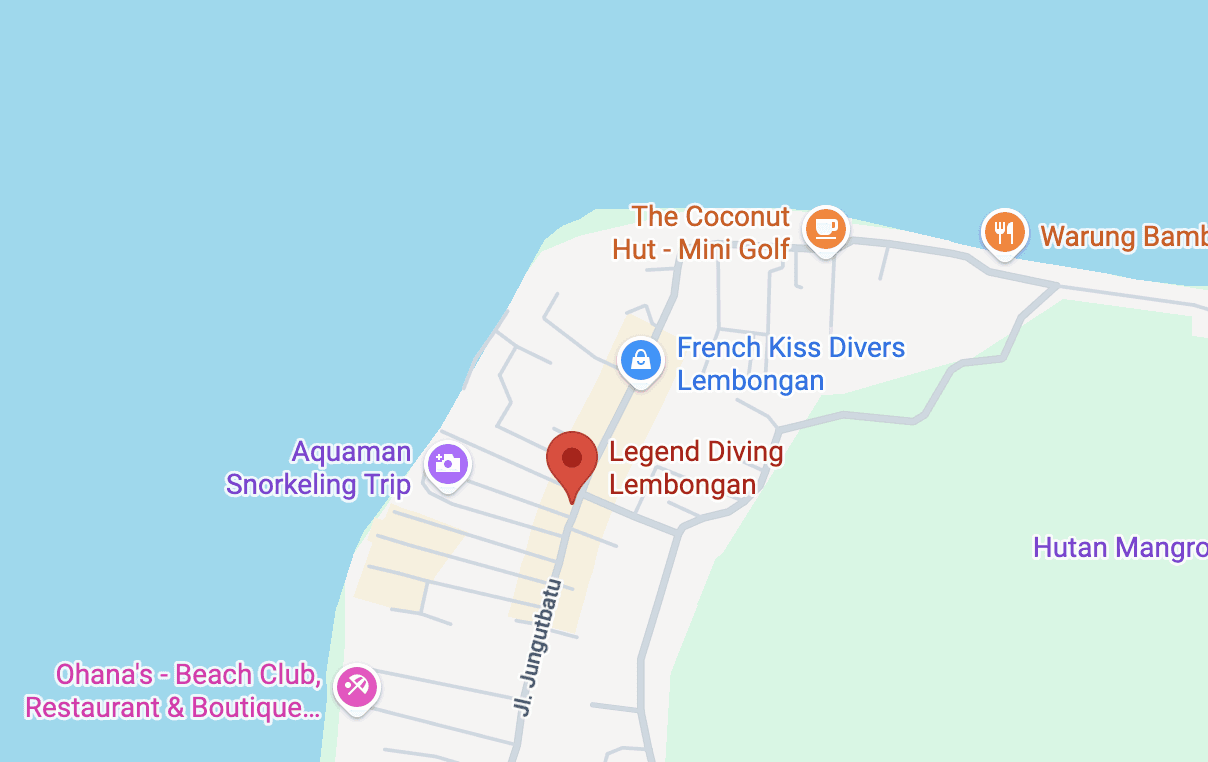
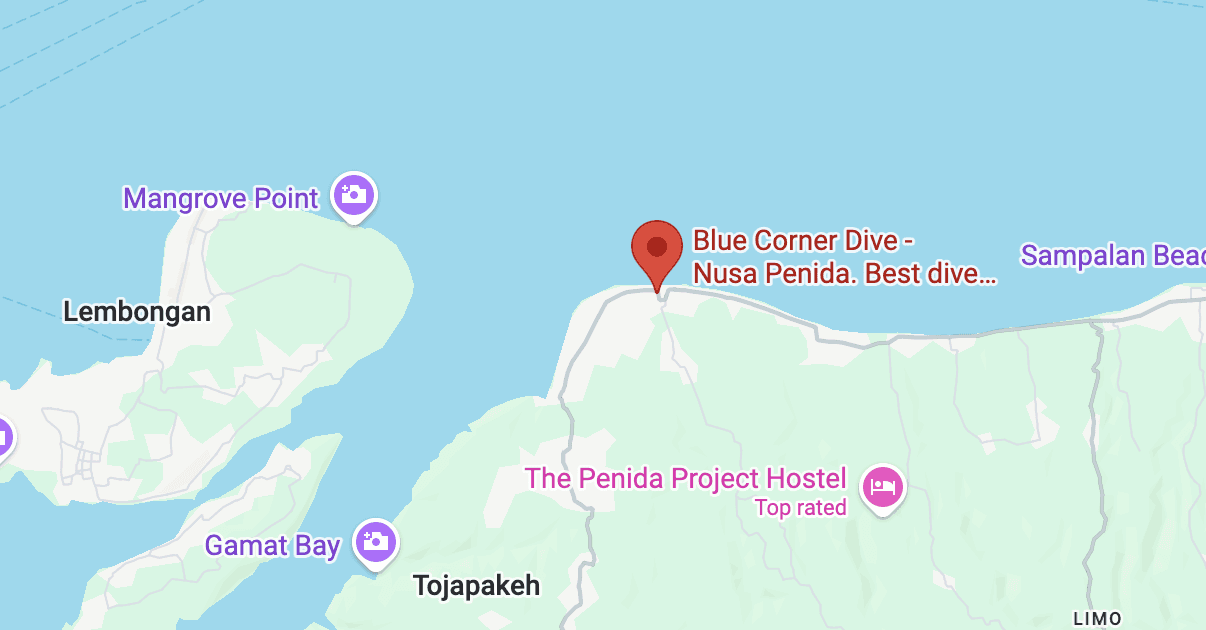
Pure Dive Resort, Legend Diving Lembongan and Blue Corner Dive all run daily trips to the island's best sites, from Mangrove Point to the manta cleaning stations near Nusa Penida. Browse more dive centers or check the dive site directory for more of Bali's coral walls and channels.
For more of the Nusa Islands, see our guide to Nusa Penida diving, or check the best time to dive Indonesia before you plan your trip.


Where to book your Nusa Lembongan dive trip?

Find certified PADI, SSI, and RAID schools across Asia. Your guide to the world’s most unforgettable dive spots.