Nusa Penida Diving Guide: Manta Rays, Mola Mola and the Best Dive Sites
Just a short boat ride from Bali, Nusa Penida offers some of the most thrilling scuba diving in Indonesia: reliable manta ray encounters, seasonal mola mola sightings, and vibrant drift dives along steep coral slopes.
This guide covers the island's best dive sites, when to visit, what conditions to expect, and how to plan your trip.
Indonesia
Guide
Asia

Photo by
Swanson Chan
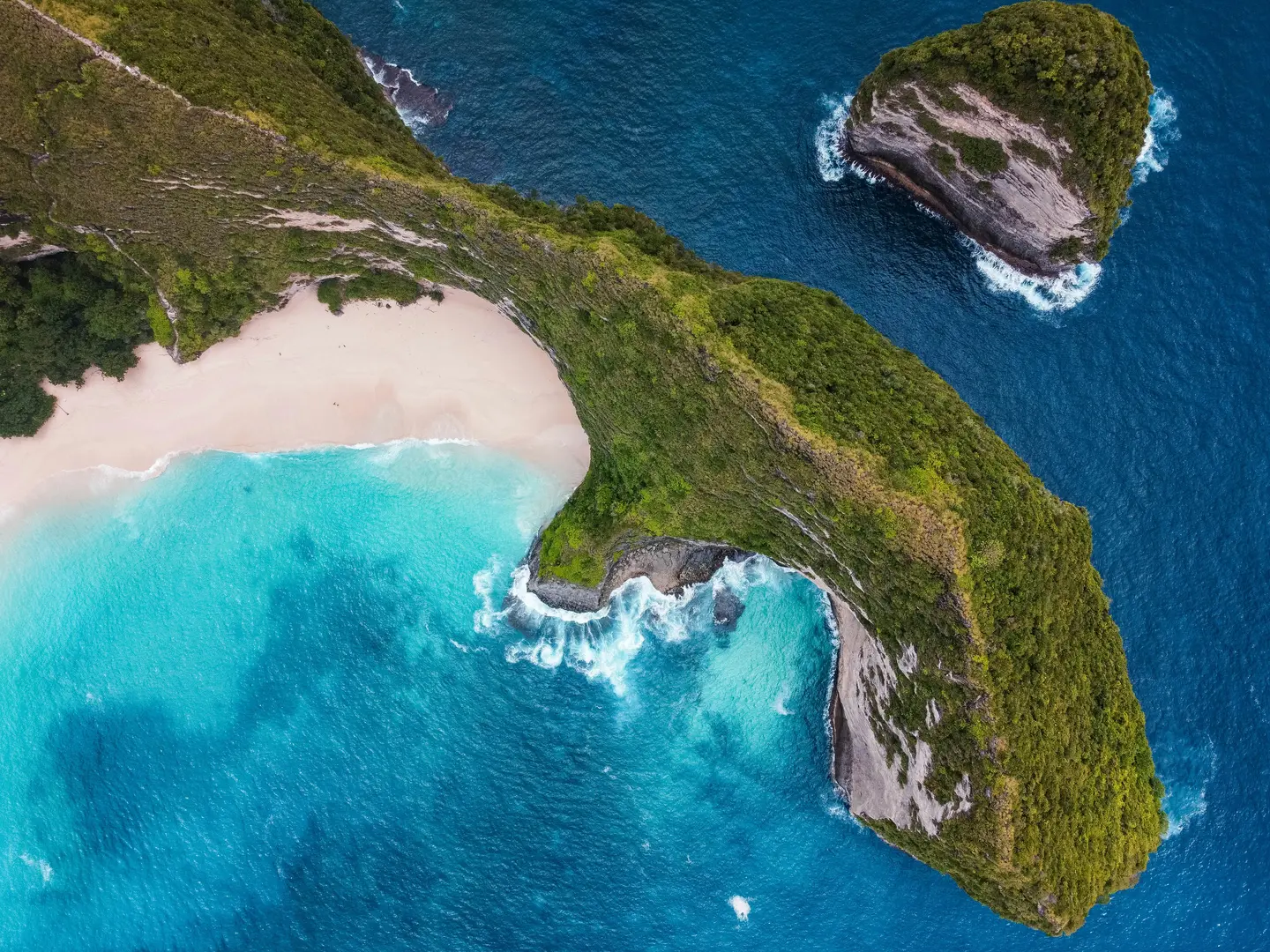
Nusa Penida sits in the Badung Strait southeast of Bali, right in the path of deep, nutrient-rich currents flowing between the Indian and Pacific Oceans. Those currents are the reason diving here is so good: they feed the coral reefs, attract big pelagic animals, and keep the water clear. They are also the reason Nusa Penida diving demands respect, because conditions can change quickly.
Most divers visit Nusa Penida on day trips from Bali, but staying on the island itself gives you earlier starts, quieter sites, and more flexibility when the mola mola season is in full swing.
The Best Dive Sites in Nusa Penida
Manta Point: Year-Round Manta Ray Encounters
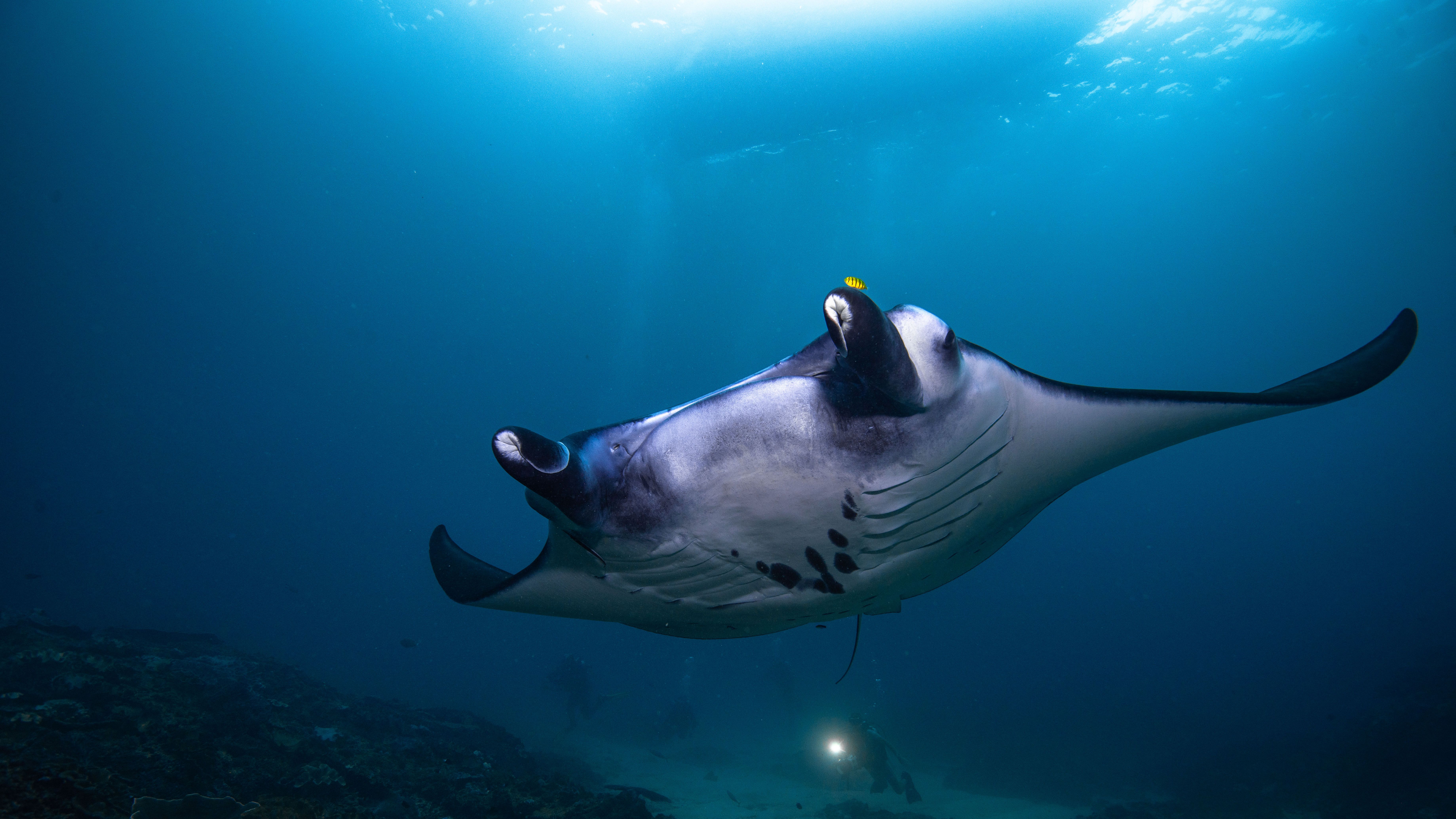
On the island's exposed southern coast, Manta Point is one of the most reliable manta ray cleaning stations in Indonesia. Reef manta rays visit the site year-round to be cleaned by wrasses, often circling just a few meters above divers. The dive itself is shallow and straightforward, though surface swell on the south coast can make entries bumpy on rough days.

Photo by Swanson Chan
Crystal Bay: The Mola Mola Site
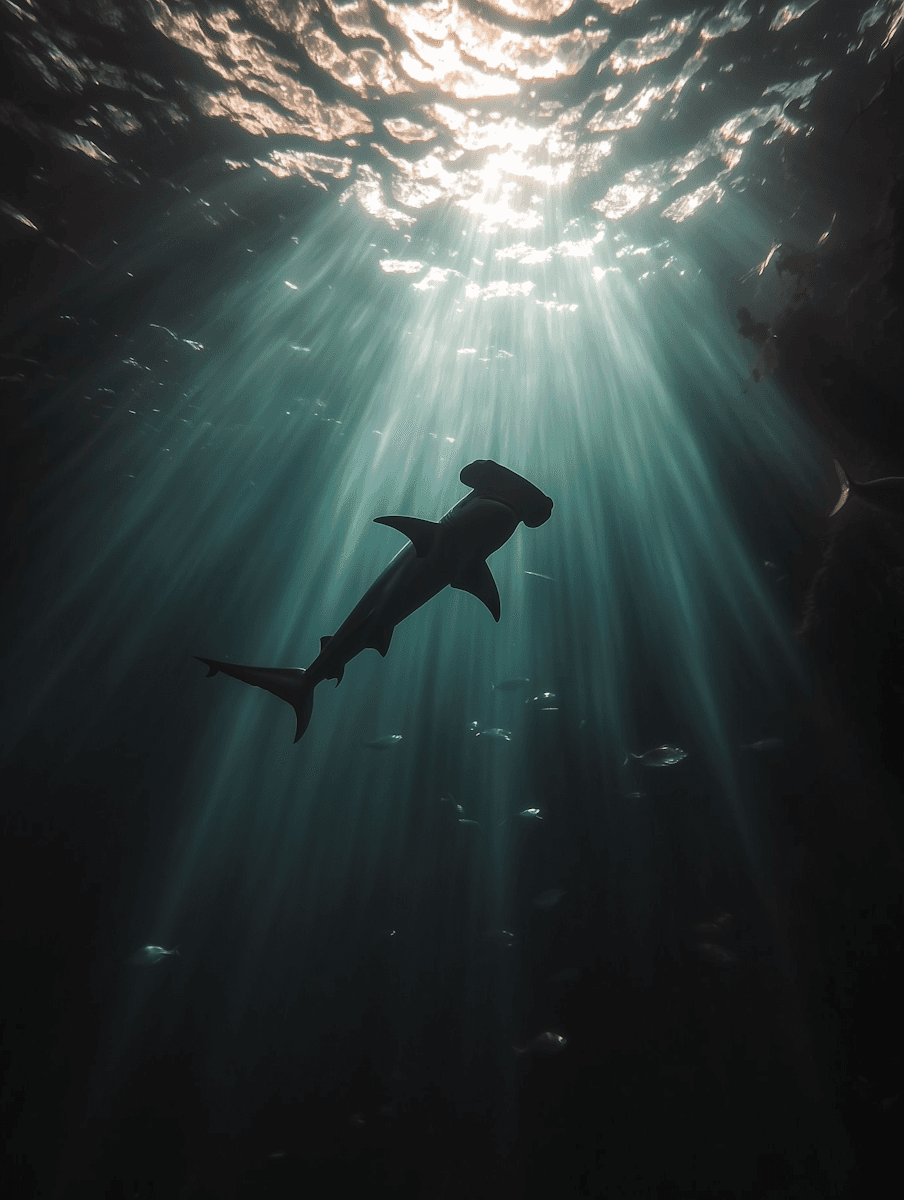
Crystal Bay is Nusa Penida's most famous site for one reason: the oceanic sunfish, or mola mola. During the season, these strange, enormous fish rise from the deep to visit cleaning stations along the bay's walls. Outside mola season, Crystal Bay is still a beautiful dive with healthy coral and clear water, but be aware that currents at the mouth of the bay can be severe. Dive it with a guide who knows the site well.
SD Point and Ped: Classic Penida Drift Diving
The sites along Nusa Penida's north coast, including SD Point, Ped, and Sental, are the island's bread and butter: drift dives over dense hard coral slopes with excellent visibility. You fly along the reef with the current while turtles, schooling fusiliers, and the occasional reef shark pass by. Currents range from gentle to ripping, so these sites suit divers who are comfortable in moving water.
Toyapakeh: Coral Bommies and Big Schools
In the channel between Nusa Penida and Nusa Ceningan, Toyapakeh offers large coral bommies, huge schools of anthias and fusiliers, and frequent turtle and mola sightings in season. It is often calmer than the surrounding sites, making it a good option when currents elsewhere are strong.
Gamat Bay: A Small Site That Delivers
Between Toyapakeh and Crystal Bay, Gamat Bay is a compact site with pristine coral and plenty of macro life. When conditions align, it is one of the prettiest dives on the island.
Mola Mola Season: When to See the Oceanic Sunfish
The mola mola season around Nusa Penida runs roughly from July to October, peaking in August and September. During these months, cold upwellings bring deep water to the reefs, and with it the sunfish. Water temperatures can drop noticeably during the season, sometimes into the low twenties Celsius or below at depth, so bring a thicker wetsuit than you would normally wear in Indonesia.
Sightings are never guaranteed. Molas are wild, deep-water animals, and even in peak season some dives come up empty. Diving multiple days greatly improves your odds.
Conditions and Experience Level
Nusa Penida is not the easiest place to dive in Indonesia. Currents are the defining feature: they make the diving spectacular, but they can be strong, and down-currents occasionally occur near steep walls. Most dive centers require an Open Water certification as a minimum, and many sites are better suited to divers with some drift diving experience. If you are newly certified, tell your dive center; they will pick sites and timing to match your level.
How to Get There
Fast boats run daily from Sanur on Bali to Nusa Penida and take about 30 to 45 minutes. Many Bali dive operators also run day trips that include diving Nusa Penida's north coast or Manta Point. If you want to dive Crystal Bay at the right tide or get to Manta Point before the crowds, consider staying on the island for a few nights.

Photo by Alfiano Sutianto
Choosing a Dive Center
Because of the currents, your choice of dive operator matters more at Nusa Penida than at most destinations. Look for centers with experienced local guides, small group sizes, and a conservative approach to conditions. You can compare dive centers on Scubalo and browse detailed dive site information to plan your trip.
Planning a longer trip around Bali? Read our guide to the 10 best dive sites in Bali to combine Nusa Penida with sites like Tulamben and Amed.

Where to book your Nusa Penida dive trip?

Find certified PADI, SSI, and RAID schools across Asia. Your guide to the world’s most unforgettable dive spots.