Lembeh Strait Diving: The World Capital of Muck Diving
The Lembeh Strait in North Sulawesi is widely considered the best muck diving destination on the planet. Its dark volcanic sand hides an astonishing density of rare critters, from mimic octopus to hairy frogfish.
Here is everything you need to know to plan a Lembeh diving trip, from the top dive sites to the best season for critter spotting.
Indonesia
Guide
Asia

Photo by
Kris-Mikael Krister
At first glance, the Lembeh Strait looks like the opposite of a dream dive destination. The narrow channel between mainland North Sulawesi and Lembeh Island has black volcanic sand, patches of debris, and modest visibility. But that unassuming seafloor holds one of the highest concentrations of rare and bizarre marine species anywhere in the world, which is why underwater photographers keep coming back year after year.
This style of diving is called muck diving: slow, shallow dives over sand and rubble where the goal is not scenery but creatures. In Lembeh, the creatures deliver.
What You Can See in Lembeh
Lembeh's critter list reads like a field guide to the ocean's strangest animals. Regular sightings include:
Mimic octopus and wonderpus, masters of imitation
Blue-ringed octopus, tiny and famously venomous
Hairy frogfish, often found walking across the sand
Flamboyant cuttlefish flashing purple and yellow
Rhinopias, the holy grail scorpionfish for photographers
Mandarinfish performing their sunset mating dance
Pygmy seahorses, harlequin shrimp, and countless nudibranch species
Good spotters make all the difference here, and Lembeh's dive guides are famous for finding animals the size of a rice grain in an expanse of black sand.
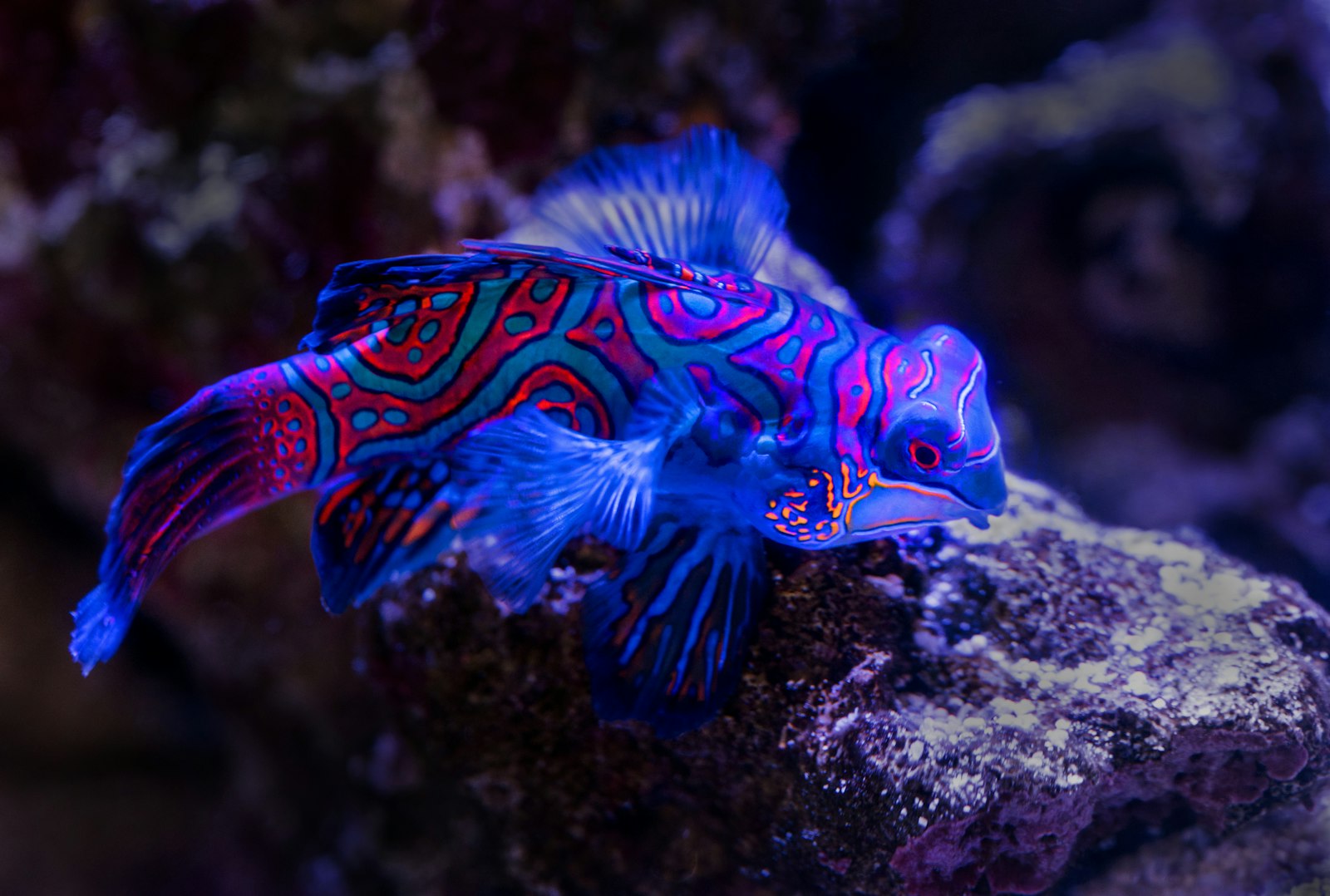
Photo by David Clode
The Best Dive Sites in the Lembeh Strait
Hairball: Classic Black-Sand Muck
Hairball is the archetypal Lembeh site: a gentle slope of dark sand that looks empty until your guide starts pointing. Frogfish, snake eels, octopus, and seahorses all turn up here regularly.
Nudi Falls: Critters Plus Color
A small wall draped in soft coral leads down to a rubble slope. As the name suggests, Nudi Falls is loaded with nudibranchs, along with pygmy seahorses and the occasional Rhinopias.
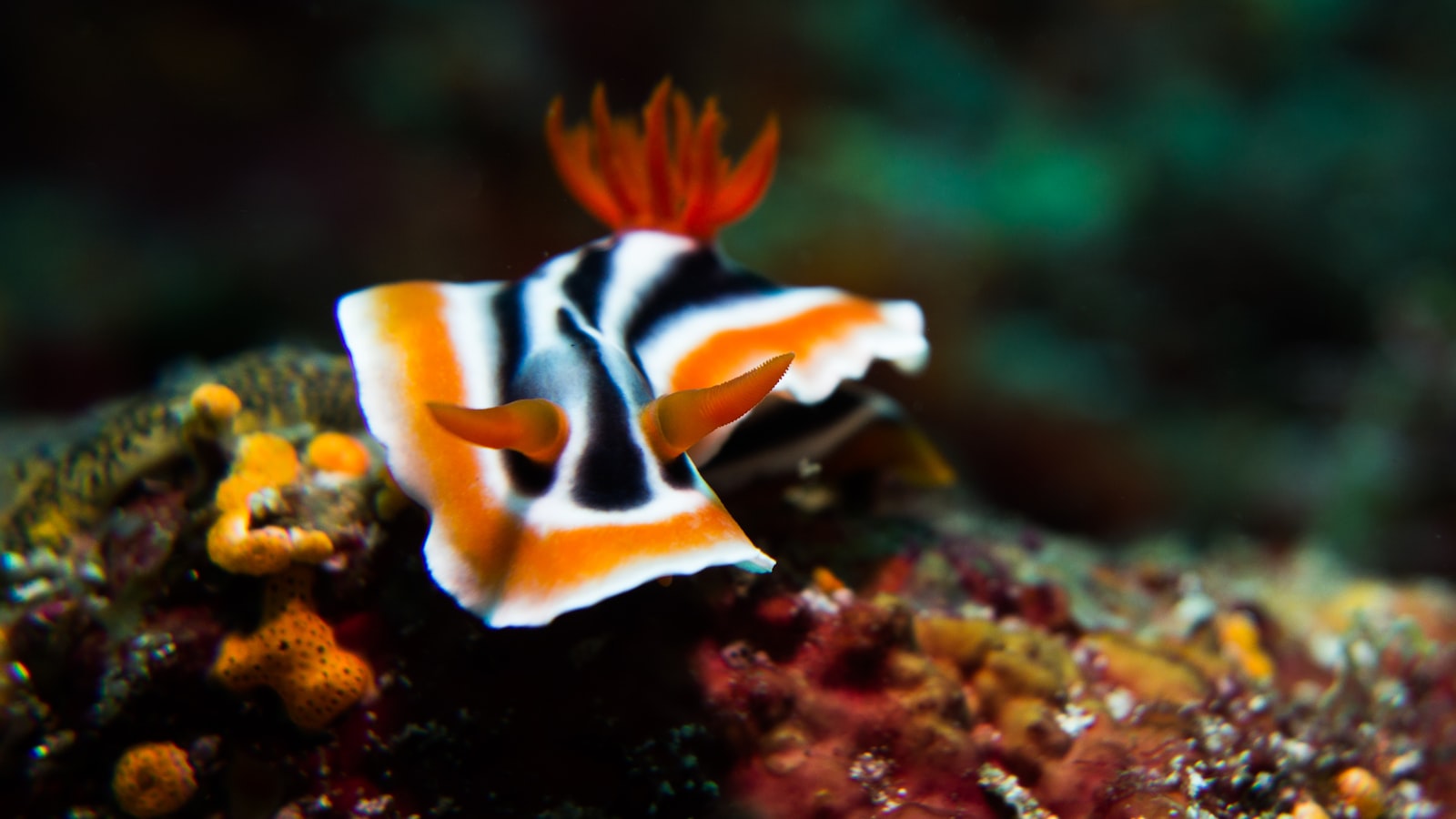
Photo by Kris-Mikael Krister
TK (Teluk Kembahu): Mimic Octopus Territory
The TK sites on the mainland side of the strait are among the most reliable places in the world to find mimic octopus and wonderpus, along with flamboyant cuttlefish hunting across the sand.
Jahir and Aer Prang: Night Diving Heaven
Lembeh at night is a different world. Sites like Jahir and Aer Prang come alive after dark with hunting octopus, stargazers buried to the eyes, and bobbit worms waiting in ambush. If you only do one night dive in Indonesia, do it here.
Best Time to Dive Lembeh
Lembeh is a true year-round destination. Critters are present in every season, and the strait is sheltered from most weather. Many guides consider the cooler months from roughly July to November the peak, when lower water temperatures bring out larger numbers of unusual species, including hairy frogfish. Water temperatures range from about 24 to 29 degrees Celsius depending on the season, so a 3mm or 5mm wetsuit is recommended.
Is Lembeh Good for Non-Photographers?
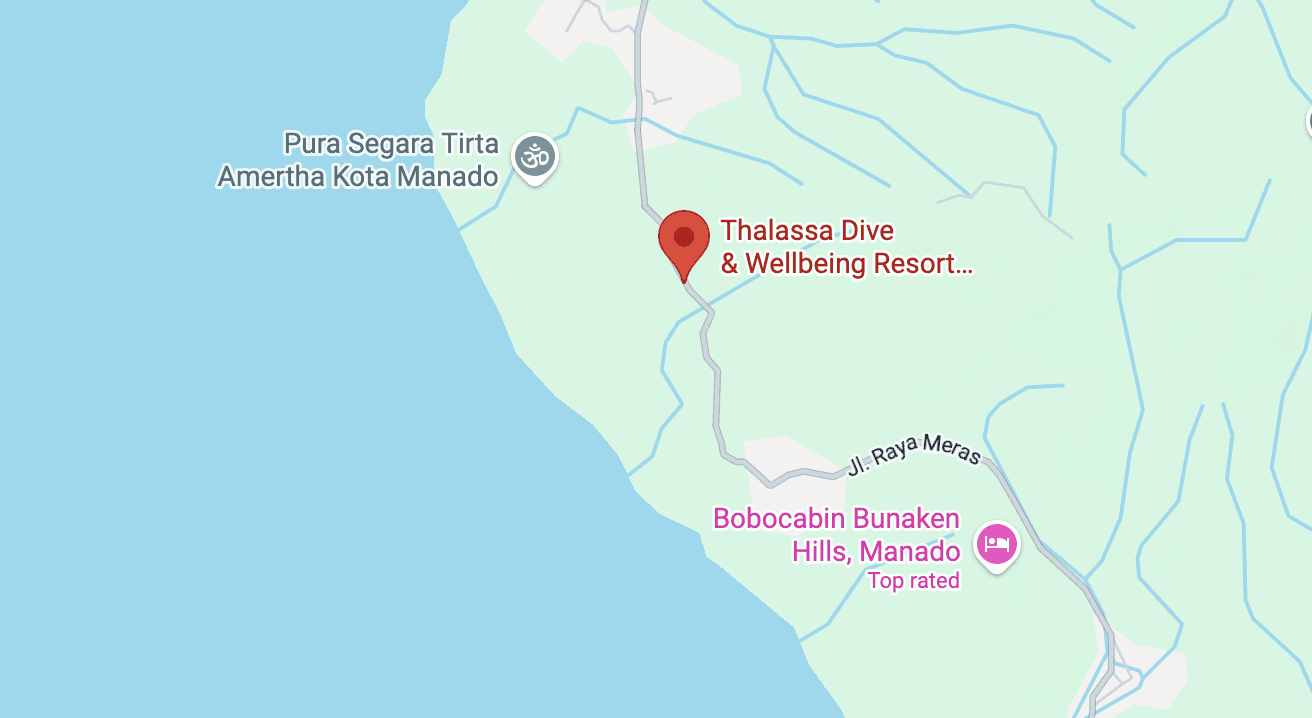
Yes, with a caveat. If you need big animals and sweeping reefs to enjoy a dive, Lembeh may underwhelm you. But if you are curious about marine life and enjoy slow, detailed diving, Lembeh is fascinating even without a camera. Many divers combine it with Bunaken National Marine Park, less than two hours away, for a perfect contrast of walls and critters.
How to Get There
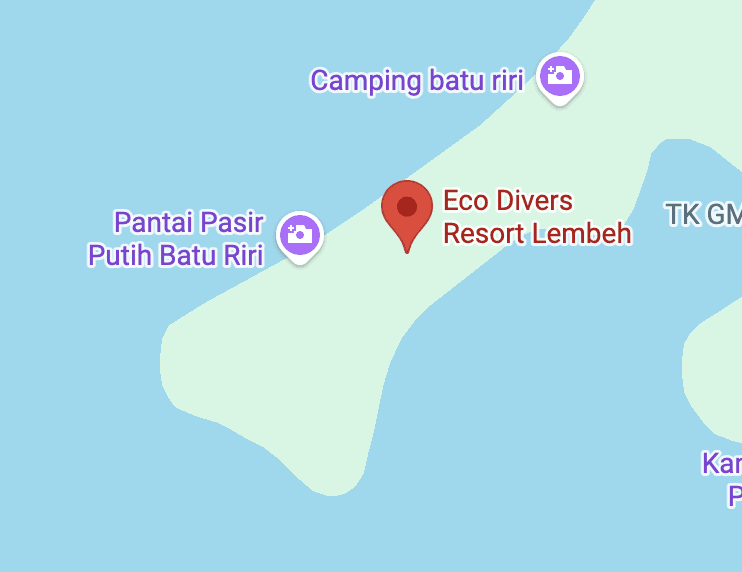
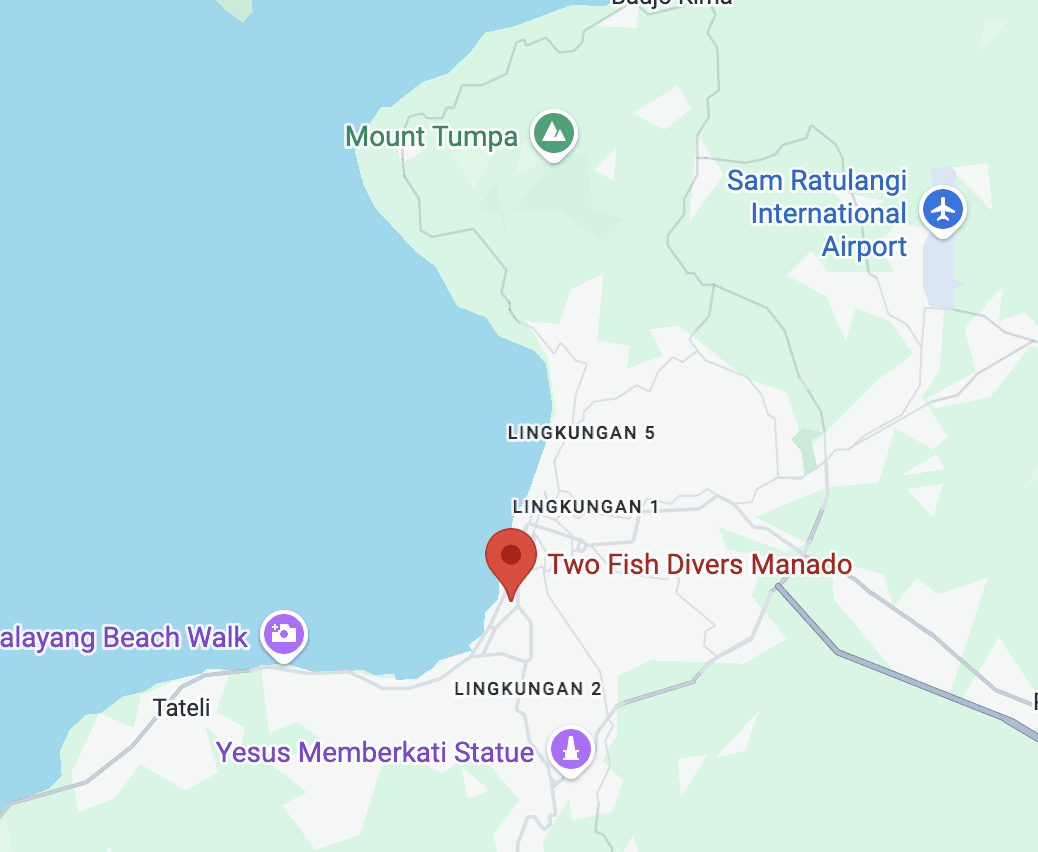
Fly to Manado, the capital of North Sulawesi, which has connections through Jakarta, Bali, and Singapore. From the airport it is about a 90-minute drive to Bitung, where resorts line both sides of the strait. Most Lembeh resorts are dedicated dive operations with house reefs, camera rooms, and unlimited shore diving options.
Plan Your Trip
Compare dive centers and resorts on Scubalo and explore our dive site directory to build your North Sulawesi itinerary. If you are into macro photography, also read our underwater photography tips for Southeast Asia.


Where to book your Lembeh dive trip?



Find certified PADI, SSI, and RAID schools across Asia. Your guide to the world’s most unforgettable dive spots.