Underwater Photography Tips for Scuba Divers in Southeast Asia
Practical advice for capturing Southeast Asia's marine life, from gear to technique.
Asia
Guide
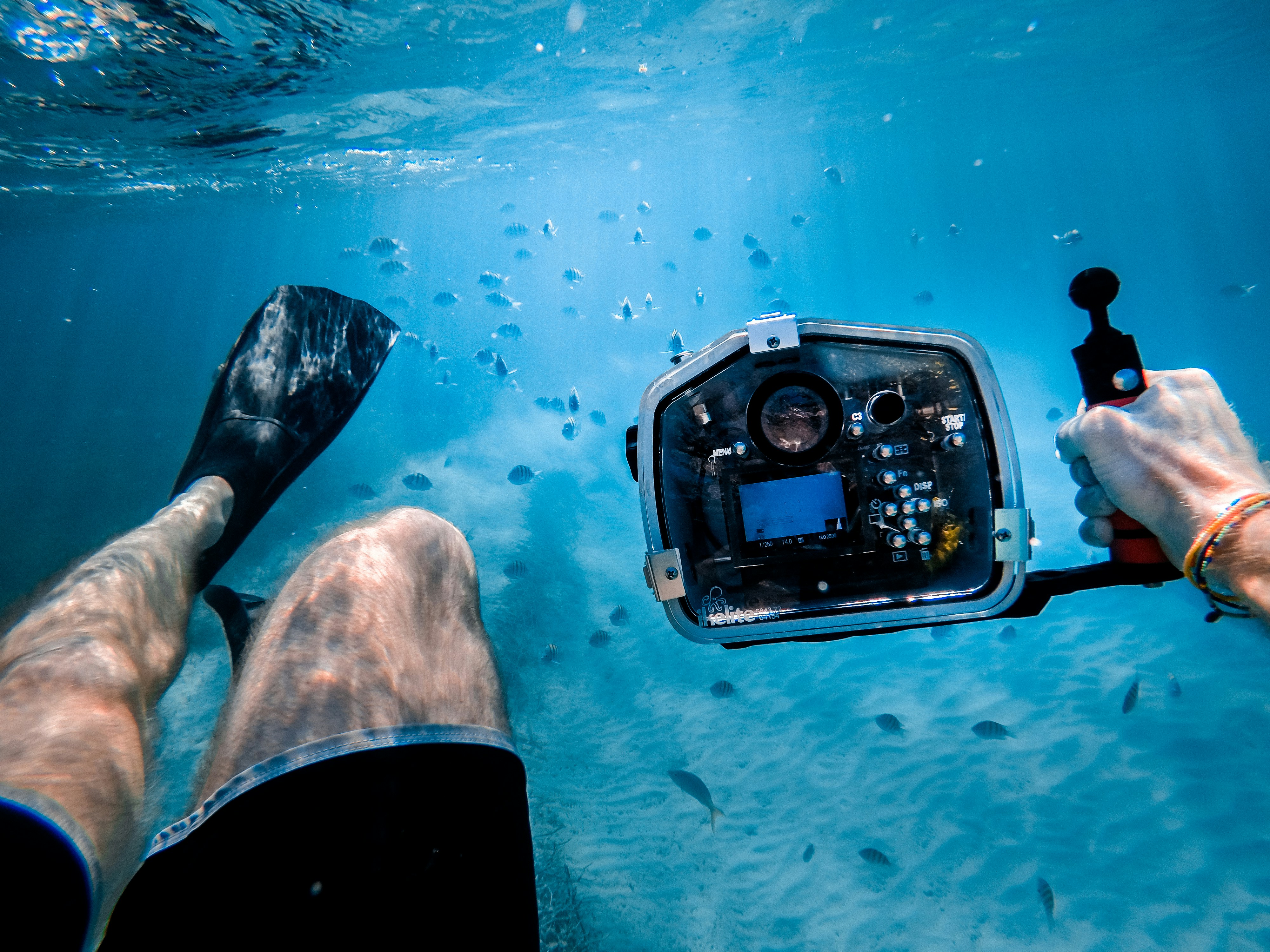
Southeast Asia offers underwater photographers an embarrassment of riches. The Coral Triangle’s biodiversity means subjects are everywhere: vibrant reef scenes, bizarre macro creatures, charismatic megafauna, and dramatic seascapes. Warm water means less gear between you and your camera, and the sheer density of marine life means you rarely have to search long for your next shot.
Whether you are shooting with a GoPro or a professional mirrorless underwater camera setup, these tips will help you bring home scuba diving photos you are proud of.
Start With the Camera You Have
The best underwater camera is the one you have with you. Action cameras like the GoPro Hero are genuinely capable for underwater photography. Modern smartphones in quality waterproof housings can produce impressive results in good conditions. You do not need to invest thousands in an underwater camera setup to start capturing your scuba dives.
The most important factor is not the camera but the diver behind it. Good buoyancy, patience, and an understanding of underwater light will produce better photos than an expensive rig in the hands of someone thrashing around the reef.
Master Your Buoyancy First
This is non-negotiable for underwater photography. Good photos require you to hold your position precisely in the water column without kicking up sand, bumping into coral, or drifting away from your subject. If your buoyancy is not solid, work on that before worrying about camera settings.
Practice hovering motionless at various depths. Learn to use your breath for fine adjustments. When you can hold a steady position without using your hands or fins, you are ready to add a camera to your scuba diving.
Get Close, Then Get Closer
Water absorbs light and color with distance. The more water between your lens and your subject, the more color you lose and the more backscatter (particles in the water) appears in your image. The single most impactful thing you can do to improve your underwater photography is to reduce the distance between camera and subject.
For macro subjects like nudibranchs, get within 10-30 centimeters. For reef scenes, try to be within arm’s reach. Even for larger subjects like sea turtles or manta rays, closer is almost always better as long as you are not disturbing the animal.
Understand How Light Works Underwater
Water absorbs red light first, then orange, then yellow. By 10 meters depth, your underwater photos will look blue-green unless you compensate. There are three main ways to deal with this.
Shoot shallow. In the first five meters, natural light still contains enough red wavelength to produce vibrant colors. If you are shooting with ambient light only, staying shallow gives you the best color palette for your underwater photography.
Use a strobe or video light. External lighting is the single biggest upgrade for underwater cameras. A strobe restores the full color spectrum regardless of depth, eliminates backscatter when positioned correctly, and lets you shoot in darker environments like caves and wrecks.
Shoot in RAW and correct in post-processing. If your camera supports RAW files, the additional color data lets you recover white balance and color in editing software far more effectively than with JPEG files.
Composition Tips for Underwater Photography
Shoot upward when possible. Angling your camera slightly upward uses the water surface or open water as a cleaner background instead of cluttered reef. It gives images a more dramatic, expansive feel.
Wait for eye contact. A photo of a fish looking directly at the camera is almost always more compelling than a profile shot. Position yourself in the path of your subject and wait.
Use negative space. Not every frame needs to be packed. A single fish against deep blue or a manta ray silhouetted against the surface can be more powerful than a busy reef scene.
Tell a story. The best underwater photos show behavior: a cleaner wrasse working on a grouper, a clownfish defending its anemone, a turtle taking a breath at the surface. These moments give your images context and emotional weight.
Best Dive Sites for Underwater Photography in Southeast Asia
Anilao, Philippines is the macro underwater photography capital of the region. The density of critters per dive is remarkable, and the calm conditions make it ideal for patient macro work.
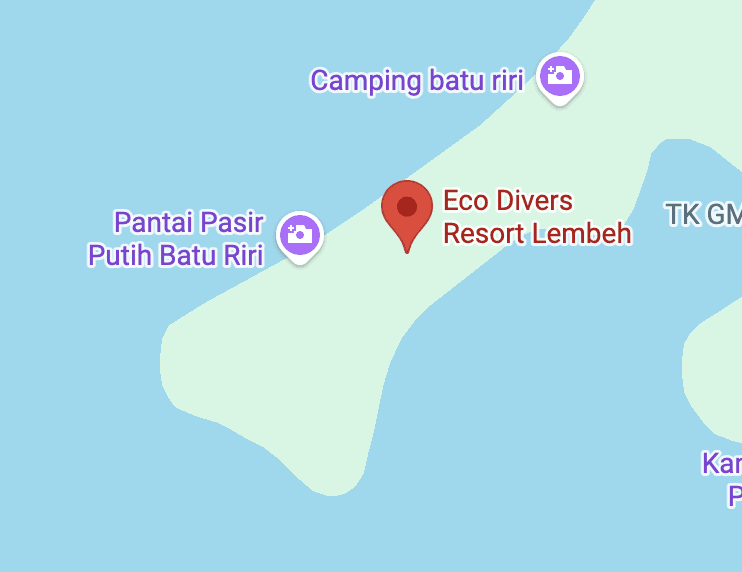
Lembeh Strait, Indonesia is another world-class muck diving destination for photographers, with an incredible array of bizarre and photogenic creatures hiding in the black sand.
Raja Ampat, Indonesia offers wide-angle paradise with dense reefs, schooling fish, and manta ray encounters that wide-angle underwater photographers dream about.
Komodo, Indonesia delivers both wide-angle drama at dive sites like Batu Bolong and reliable manta encounters for those seeking the epic shot.
Respect the Marine Environment
Underwater photography should never come at the expense of the reef or its inhabitants. Never touch, move, or manipulate marine life for a photo. Do not rest on coral or kick up sediment. A scuba diver with excellent buoyancy and patience will always get better shots than one who chases and disturbs marine life.
Find Photo-Friendly Dive Centers on Scubalo
Some dive centers cater specifically to underwater photographers, offering longer dive times, smaller groups, and guides who know where to find the best subjects. Scubalo helps you find dive centers across Southeast Asia that match your interests. Explore options at scubalo.com.
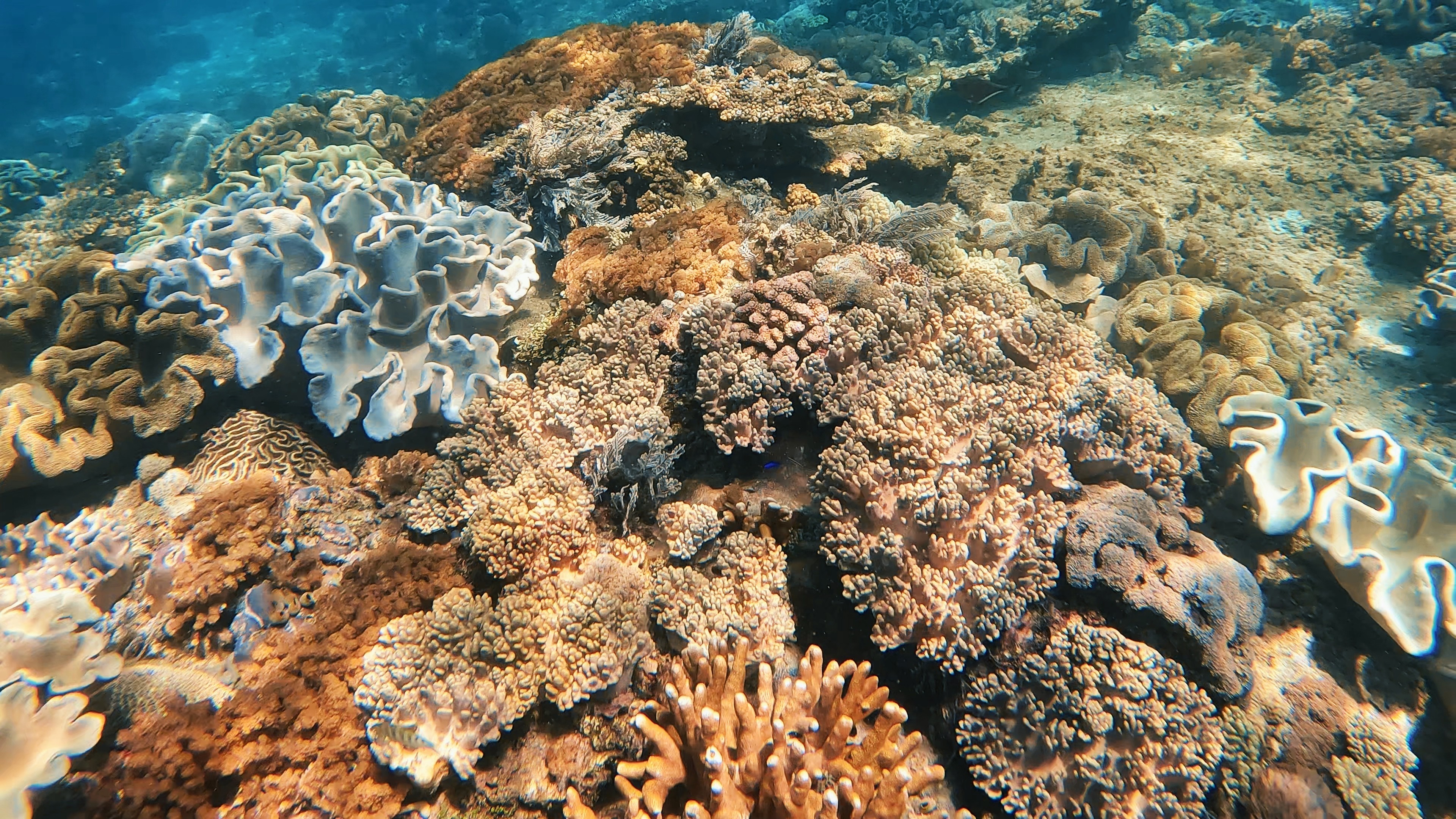
Looking for the best backdrops? Browse dive sites across Southeast Asia.
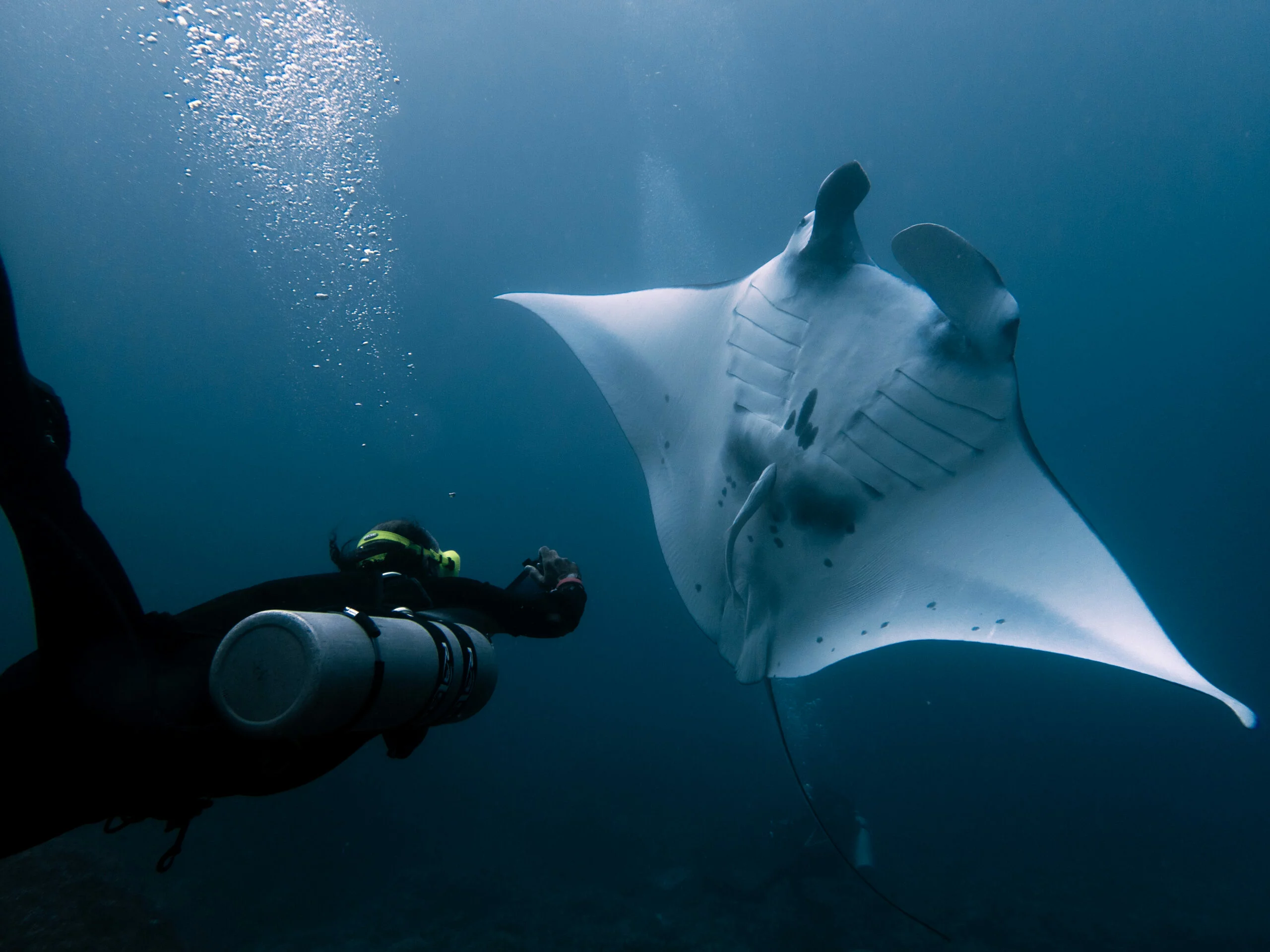
Where to book a macro photography dive trip?



Find certified PADI, SSI, and RAID schools across Asia. Your guide to the world’s most unforgettable dive spots.