Gili Islands Diving Guide: Turtles, Reef Sharks, and the Best Dive Sites
Everything you need to know before diving the Gilis, from turtle-packed shallows to Shark Point and beyond.
Indonesia
Guide
Asia
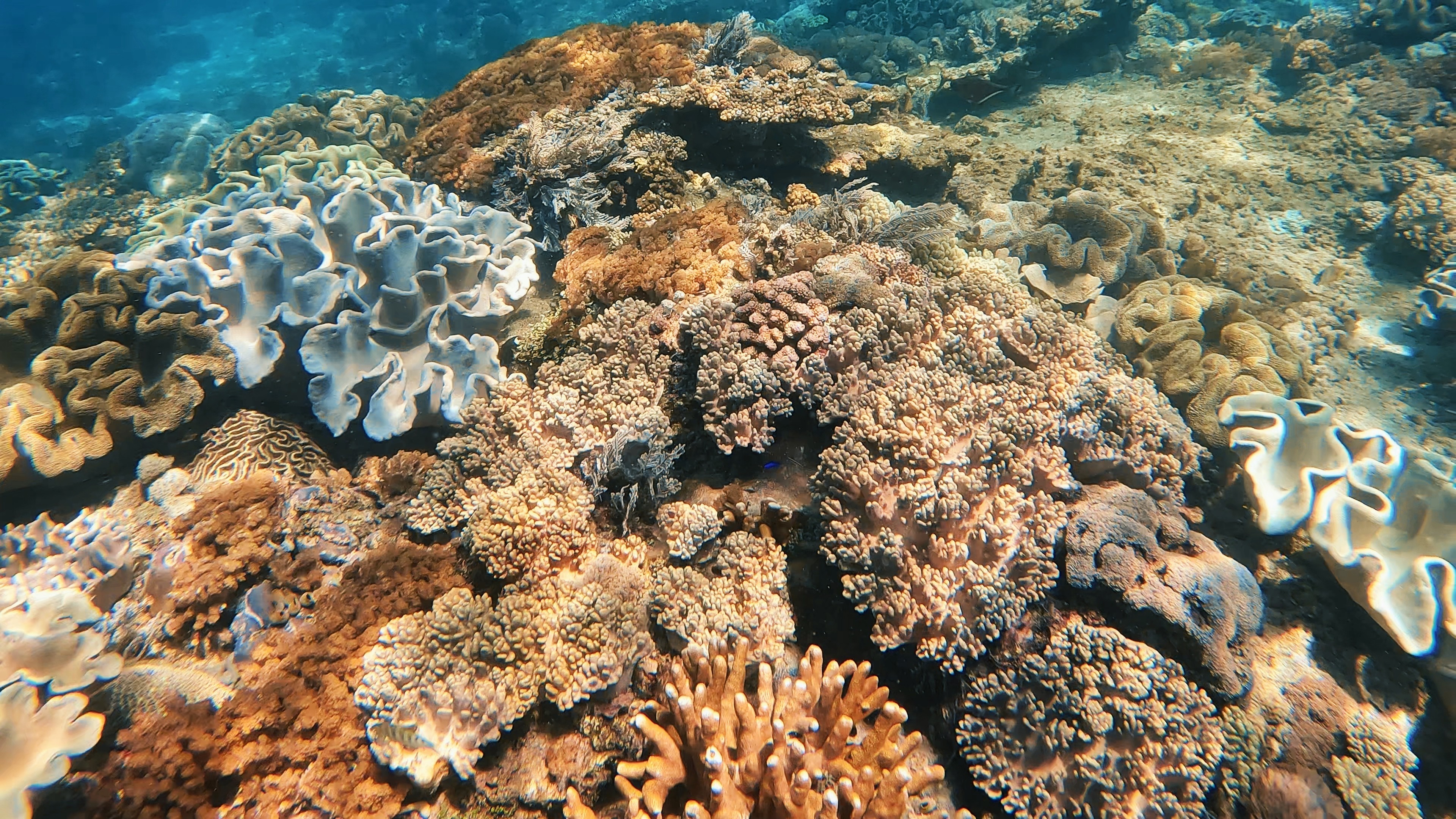
Why the Gili Islands Are on Every Diver’s Bucket List
Ask any diver who’s been to Indonesia about the Gili Islands, and you’ll see their eyes light up. Just off the northwest coast of Lombok, this trio of tiny, car-free islands (Gili Trawangan, Gili Meno, and Gili Air) sits above some of the most rewarding scuba diving in Southeast Asia. Whether you’re logging your first open-water dives or chasing your 500th, Gili Islands diving delivers every single time.
The numbers speak for themselves: roughly 25 dive sites, visibility regularly hitting 25 metres or more, water temperatures sitting between 27–30°C year-round, and marine life that ranges from resident green turtles to cruising reef sharks. And because the islands sit in the Coral Triangle, the biodiversity here is world-class.
This guide covers everything you need to plan a Gili Islands dive trip: the best sites, what marine life to expect, when to go, and which island suits your style.
The Three Islands: Quick Diver’s Overview
The Gilis each have a distinct vibe, and the diving reflects that.
Gili Trawangan is the biggest and most developed. It has the widest range of dive operators, the most active nightlife, and access to the most dive sites. If you’re coming specifically to dive, especially to hit Shark Point, Gili T is your base.
Gili Meno is the quiet middle island. It’s smaller, far less crowded, and home to some of the best diving in the islands, including Meno Wall and the Meno Bounty wreck. If you want to dive with fewer boats in the water, Meno is the answer.
Gili Air sits closest to Lombok and has a relaxed, village feel. Great for divers who want easy-going reef dives without the party scene. The snorkelling off the beach is also some of the best in the islands.
Best Gili Islands Dive Sites
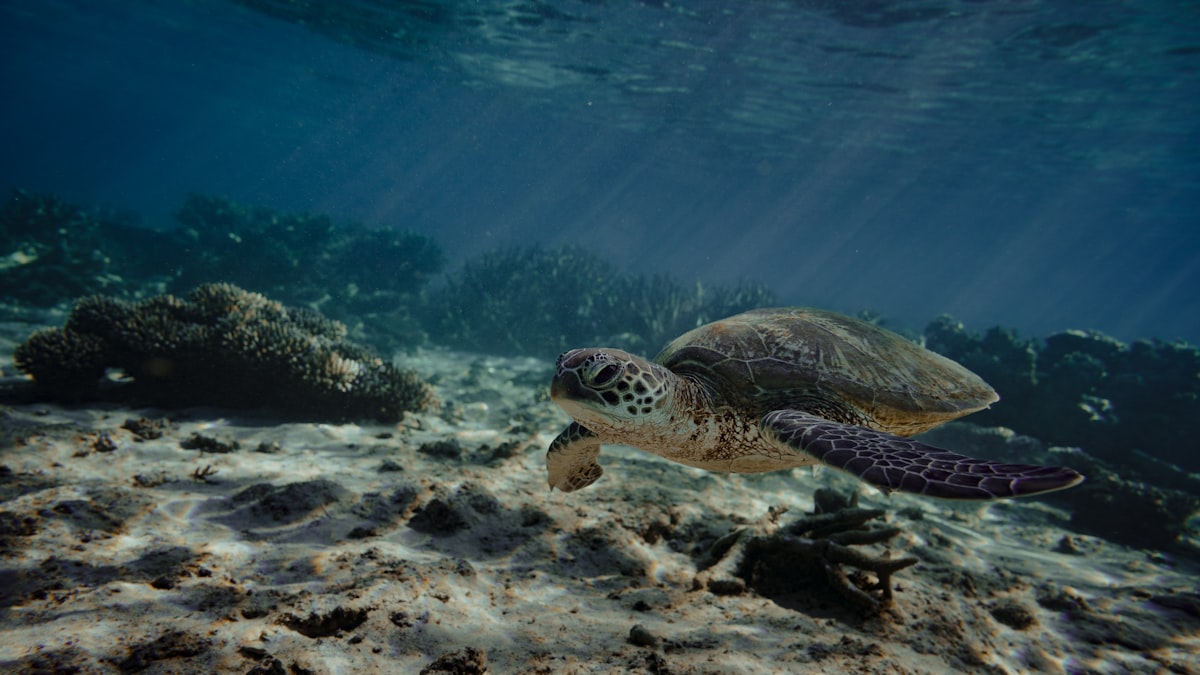
Photo by Cameron Witney
Shark Point (Gili Trawangan)
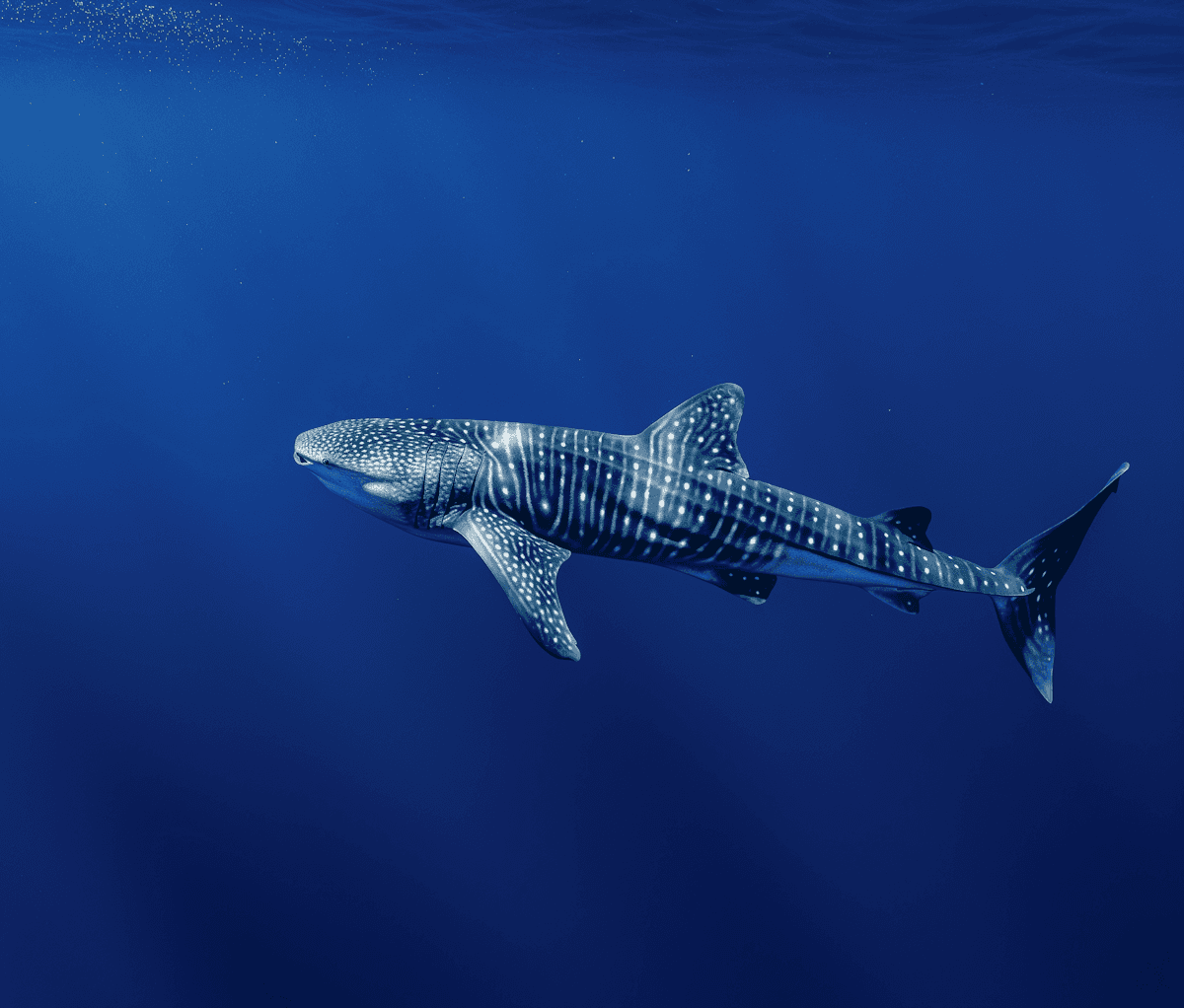
The most iconic Gili Trawangan dive site and one that earns its name. Located on the west coast of Gili T at around 25 metres, Shark Point is where you come to see white-tip and black-tip reef sharks resting on the sandy bottom between coral outcroppings. Visibility is usually excellent, and the site is suitable for intermediate to advanced divers. Currents can run strong here, so check conditions with your dive operator before heading out.
Turtle Heaven (Gili Trawangan)
The name is not an exaggeration. On a good day at Turtle Heaven, you can encounter upward of 10–20 green turtles in a single dive. The site is a shallow, sloping reef that makes it accessible to all certification levels, and the turtle encounters are special. This is the first site most dive operators take newly certified divers to, and it rarely disappoints.
Meno Wall (Gili Meno)
One of the best drift dives in the Gilis. Meno Wall starts shallow at around 5 metres and drops to a maximum of 30 metres along a steep wall covered in soft corals and sea fans. You can expect to see passing turtles, occasional reef sharks, batfish, and plenty of nudibranchs if you look closely. The drift current usually carries you at a comfortable pace. It’s an exhilarating dive that experienced divers in particular love.
Meno Bounty Wreck (Gili Meno)
A floating dock sunk deliberately in 1999, the Meno Bounty has had more than two decades to transform into an artificial reef and the result is impressive. At a maximum depth of 18 metres, it’s approachable for most divers and now hosts thick coral growth, clouds of glassfish, and resident schools of batfish. Macro lovers will spend entire dives here without coming up for air (metaphorically speaking).
Deep Turbo (Gili Trawangan)
For divers looking for something a bit more dramatic, Deep Turbo delivers. Large coral pinnacles rise from 30 metres up to around 16 metres, creating a cathedral-like underwater landscape. This is the site to visit if you want to experience the scale of Gili T’s deeper reef structure, and it’s a favourite for drift dives when the current is running.
Manta Point / Sunset Point (Gili Trawangan)
During the wetter months, roughly December through March, Manta Point comes alive. The influx of plankton-rich water draws manta rays, devil rays, and eagle rays to the site in numbers that can be extraordinary. Visibility is lower during this period, but trading crystal-clear water for a manta parade is a deal any diver should take.
Marine Life: What to Expect
The Gili Islands sit within the Coral Triangle, the most biodiverse marine region on the planet, and the underwater life reflects that. Here’s a snapshot of what you’re likely to encounter during a Gili Islands diving trip:
Sea turtles are the headline act. Both green turtles and hawksbill turtles are resident year-round, and encounters are extremely common on most dive sites. The Gilis are widely regarded as one of the best places in the world for reliable turtle diving.
Reef sharks, primarily white-tips and black-tips, are regularly spotted, particularly at Shark Point and along the deeper walls. They’re not aggressive and tend to be relaxed in the presence of divers.
Rays show up seasonally, with mantas making appearances at Manta Point during the wet season. Eagle rays and blue-spotted stingrays are spotted year-round.
Macro life is also exceptional. Nudibranchs, cuttlefish, octopus, frogfish, and lionfish reward divers who slow down and look carefully at the reef. The Meno Bounty wreck is particularly good for macro photography.
Best Time to Dive the Gili Islands
The Gili Islands diving season runs roughly April through November during the dry season. This is when you’ll get the best visibility (often exceeding 25 metres), calmest seas, and most consistent conditions. Water temperatures stay in the 27–30°C range year-round, so a 3mm wetsuit is fine. For the wider picture, see our Indonesia dive season guide.
The wet season (December to March) brings lower visibility and choppy surface conditions, but it’s also manta season. If seeing rays is your priority, the trade-off can be very much worth it.
Morning dives are better than afternoon dives as winds tend to pick up later in the day, which can stir up the water slightly.
Planning Your Gili Islands Dive Trip
Getting to the Gili Islands is straightforward. Fly into Bali (Denpasar) or directly into Lombok International Airport, then take a fast boat across. Connections from Bali to the Gilis typically take 90–120 minutes depending on which island you’re heading to. From Lombok Harbour, it’s a shorter crossing of around 20–45 minutes.
The islands are home to a wide range of dive centers, from budget-friendly operations on Gili T to more boutique outfits on Gili Meno and Gili Air. Most offer PADI certification courses, fun dives, and equipment rental. When choosing a dive center, look for operators with well-maintained gear, qualified instructors, and small group sizes.
Because the Gilis are flat coral islands with no motorised vehicles, getting around is done by foot, bicycle, or cidomo (horse-drawn cart). It’s a refreshingly simple pace of life that pairs well with the unhurried rhythm of diving.
What Certification Do You Need?
Most Gili Islands dive sites are accessible to Open Water certified divers. The shallower reefs and sites like Turtle Heaven and Meno Bounty wreck are ideal for newly certified divers. Sites like Shark Point and Meno Wall require an Advanced Open Water certification due to depth and potential currents. Deep Turbo and some of the more exposed sites are best suited to divers with solid experience.
If you’re not yet certified, the Gili Islands, particularly Gili Trawangan, are a popular and affordable place to complete your PADI Open Water course. New to diving? Start with our beginner’s guide to diving Southeast Asia. The calm, clear, warm conditions make it one of the best learning environments in Southeast Asia.
Gili Islands Diving FAQ
When is the best time to dive the Gili Islands?
The dry season from April to November brings the best visibility and the calmest seas. The wet season from December to March has lower visibility, but it is manta season at Manta Point.
Are the Gili Islands good for beginner divers?
Yes. Most sites suit Open Water divers, and Turtle Heaven and the Meno Bounty wreck are ideal first dives. The Gilis are also a popular and affordable place to get certified.
Can you see turtles in the Gili Islands?
Yes, on almost every dive. Green and hawksbill turtles live on the reefs year-round, and Turtle Heaven can deliver 10 to 20 turtles in a single dive.
How do you get to the Gili Islands?
Take a fast boat from Bali, which takes 90 to 120 minutes, or cross from Lombok Harbour in 20 to 45 minutes. Fly into Denpasar or Lombok International Airport first.
Ready to Dive the Gilis?
The Gili Islands offer a rare combination: accessible enough for first-time divers, varied enough for experienced divers, and spectacular enough that you’ll want to keep coming back. Turtles on almost every dive, sharks at dedicated sites, pristine reefs, and an island atmosphere that’s hard to match anywhere in Southeast Asia.
Find verified dive centers in the Gili Islands and across Indonesia on Scubalo, your platform for discovering trusted dive operators across Southeast Asia.
Ready to dive the Gilis? See dive shops in the Gili Islands.
Where to book a dive trip in the Gili Islands?


Find certified PADI, SSI, and RAID schools across Asia. Your guide to the world’s most unforgettable dive spots.