Diving Siargao: The Philippines' Best-Kept Underwater Secret
Your complete guide to scuba diving in Siargao Island, Philippines
Guide
Tips
Asia
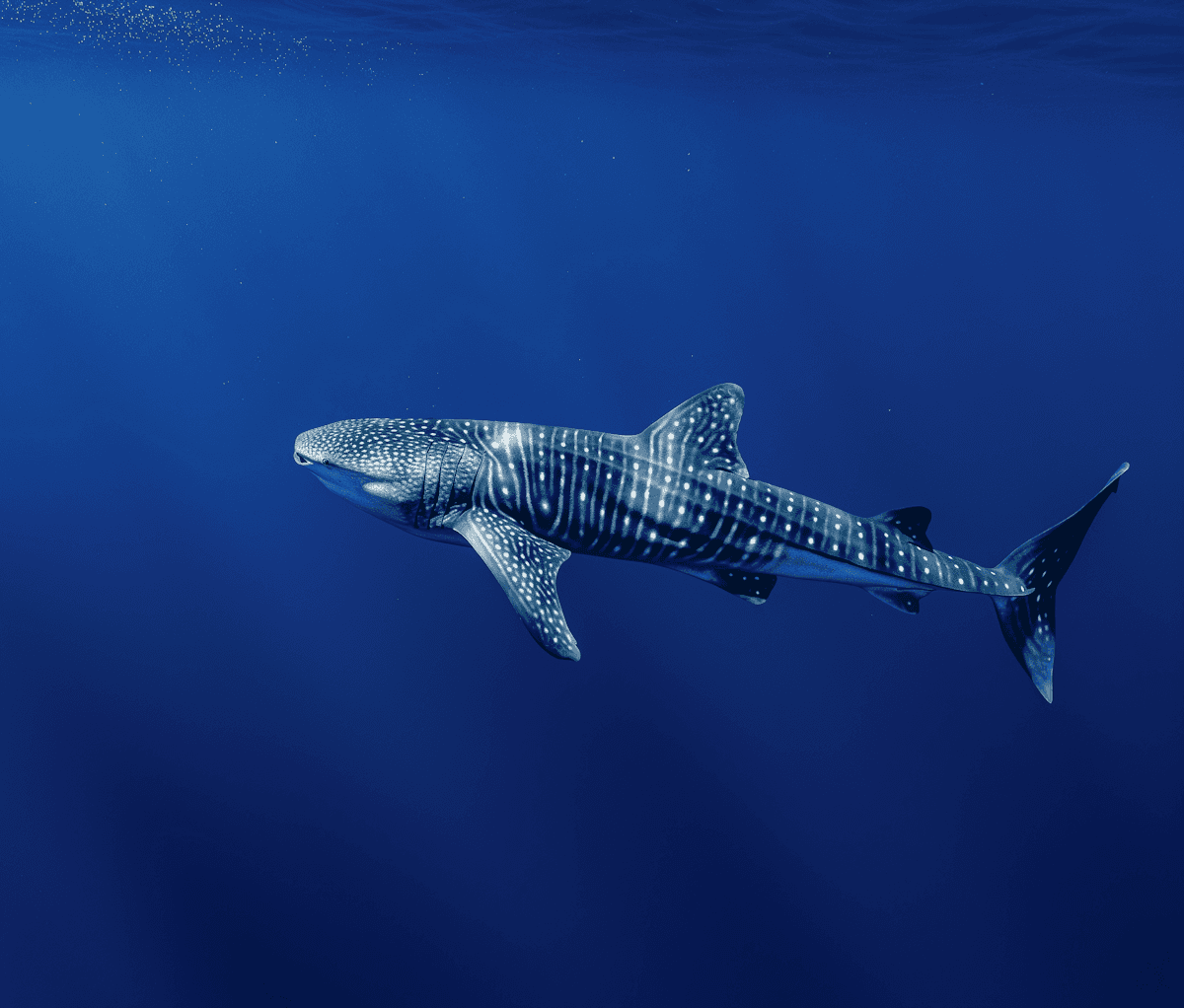
Why Siargao Should Be on Every Diver’s Radar
Most people know Siargao as the surfing capital of the Philippines. The surf crowd found it decades ago, fell in love with Cloud 9, and never stopped talking about it. But beneath those famous breaks lies an underwater world that most divers are still sleeping on.
Scuba diving in Siargao means pristine coral reefs, dramatic drop-offs, schools of pelagics, and one of the most extraordinary cavern dives in Southeast Asia. Because the island’s diving scene has grown in the shadow of its surf reputation, the sites are remarkably uncrowded and the reefs are in outstanding health. If you’re planning a dive trip to the Philippines and you want to get off the beaten track, Siargao delivers.
This guide covers everything you need to know about diving Siargao Island: the best dive sites, the marine life you can expect, the best time to go, and how to get there.
Best Dive Sites in Siargao
Siargao’s dive sites are clustered around the island’s surrounding waters and the nearby islets of Daku, Guyam, and Naked Island. There are around a dozen regularly dived spots, ranging from easy reef dives to more technical cavern and wall dives.
Blue Cathedral
The undisputed crown jewel of scuba diving in Siargao. The Blue Cathedral is a large cavern system that filters light in a way that turns the water a deep, cathedral-like blue. Stalactites line the ceiling, coral encrusts every surface, and the feeling of drifting through it is genuinely otherworldly. This is a more advanced dive due to its distance from shore and the skill required to navigate the cavern safely, but it is absolutely worth the effort. If you dive Siargao and skip the Blue Cathedral, you haven’t really dived Siargao.
Daku Arch
The waters around Daku Island are home to one of Siargao’s most popular dive sites. The Daku Arch is a submerged rock arch that you can swim through, surrounded by hard and soft corals and patrolled by schools of jacks and snapper. The topography is dramatic and the marine life is dense. It’s a solid choice for divers of all levels.
Shark Point
Despite the name, Shark Point is not a consistently reliable spot for large shark encounters. What it does reliably deliver is excellent coral coverage, healthy reef fish populations, and, on lucky dives, the occasional whitetip or blacktip reef shark cruising the drop-off. The site sits on a sloping reef that transitions into a wall, giving you a good range of depths to work with.
Casulian Reef
Casulian is a broad, shallow-to-mid-depth reef that’s ideal for newer divers or a relaxed second dive. The coral gardens are well-preserved, with excellent hard coral coverage and plenty of macro life tucked into the crevices. Nudibranchs, pipefish, and moray eels are common finds here. If you’re traveling with divers of mixed experience levels, Casulian is a great option that works for everyone.
Pilar Twin Rocks
Two large pinnacles rising from the sandy bottom, draped in soft corals and surrounded by schools of batfish and fusiliers. The Twin Rocks are a classic Philippines-style dive: visually striking, teeming with life, and rewarding at multiple depth ranges. Currents can pick up here, which brings in the pelagics but requires a bit of experience to manage comfortably.
Secret Garden
A more advanced site, Secret Garden rewards experienced divers with a dense, incredibly diverse coral environment. The name fits: this site feels genuinely hidden, the kind of place you could spend an entire dive slowly drifting through without running out of things to look at. It’s one of the highlights of diving Siargao for divers who want something beyond the standard reef circuit.
Marine Life in Siargao
Scuba diving in Siargao puts you in the water with a broad range of Philippine reef life. On typical dives you can expect to see:
Reef fish: Parrotfish, wrasse, angelfish, triggerfish, and huge aggregations of fusiliers and snapper are standard. The reefs around Daku Island in particular are known for their dense fish populations.
Sharks and rays: Whitetip and blacktip reef sharks are spotted regularly at several sites. Eagle rays are seen occasionally, and more pelagic-oriented sites like Pilar Twin Rocks can produce larger schooling species on good days.
Macro life: Siargao’s reefs are excellent for macro enthusiasts. Nudibranchs, ghost pipefish, frogfish, and octopus are all regularly found by sharp-eyed guides. If muck diving is your thing, ask your dive center about the best macro sites currently running.
Turtles: Green sea turtles are a near-daily sighting at many of Siargao’s dive sites. The island’s relatively undisturbed reefs mean turtle populations are in good shape here.
Best Time to Go Scuba Diving in Siargao
The best time for scuba diving in Siargao is from March through October. This covers the dry season, when seas are calm, visibility is at its best (often 15 to 25 meters), and the weather is cooperative. March to May is peak season for calm conditions with minimal boat traffic at the dive sites.
The southwest monsoon (habagat) runs from around June through October and can bring choppier seas and afternoon squalls, but diving is generally still possible and many operators run trips year-round. From November through February, the northeast monsoon (amihan) can make conditions more difficult, particularly for sites on the eastern side of the island, and some operators scale back operations during this period.
In short: plan your Siargao dive trip between March and June for the most consistent conditions.
Getting There and Dive Centers
Getting to Siargao is easier than it used to be. Sayak Airport (IAO) receives direct flights from Manila (roughly 1.5 to 2 hours) and Cebu, with multiple carriers operating routes. From the airport, most accommodation and dive operators are based around General Luna, about 30 to 45 minutes by tricycle or van.
The diving scene in Siargao is smaller and more boutique than destinations like Moalboal or Malapascua, which is part of its appeal. Operators here tend to keep group sizes small and take a more personalized approach to guiding. Look for dive centers affiliated with PADI or SSI, and make sure your guide is familiar with the current conditions at the specific sites you want to dive, particularly if you’re planning the Blue Cathedral.
What Level of Diver Do You Need to Be?
Siargao has dive sites suitable for certified divers of all experience levels. Open Water divers can comfortably dive most of the reef sites around Daku Island and Casulian. Advanced Open Water certification opens up the deeper walls, Pilar Twin Rocks when currents are running, and sites like Secret Garden.
The Blue Cathedral cavern dive typically requires Advanced Open Water certification at minimum, and many operators will want to see evidence of prior cavern or overhead environment experience. If you haven’t dived caverns before, talk to your dive center on arrival and get their honest assessment before committing to the site.
Plan Your Siargao Dive Trip with Scubalo
Siargao is one of those dive destinations that feels like a genuine discovery, the kind of place where you show up, drop below the surface, and immediately wonder why it took you so long to get here. The reefs are healthy, the sites are diverse, and the island itself is one of the most beautiful in the Philippines.
Ready to dive Siargao? Find verified dive centers in Siargao and across Southeast Asia on Scubalo and plan your trip with confidence. We connect divers directly with trusted operators so you can spend less time researching and more time underwater.
Ready to explore Siargao? See dive shops in Siargao.
Find certified PADI, SSI, and RAID schools across Asia. Your guide to the world’s most unforgettable dive spots.