Night Diving in Southeast Asia: A Beginner's Guide to After-Dark Dives
Discover the reef after dark: nocturnal creatures, coral polyps in bloom, and bioluminescence await
Guide
Asia
Tips
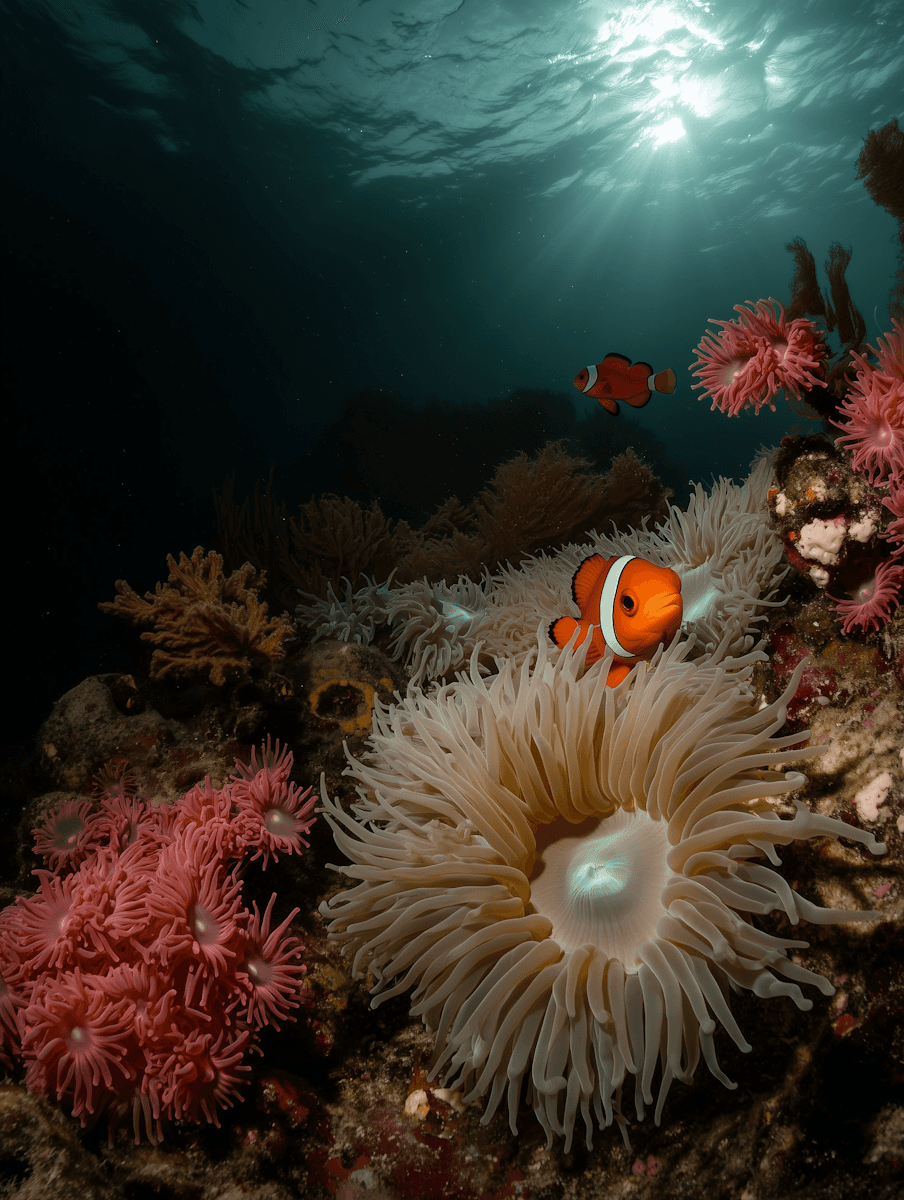
Why Night Diving in Southeast Asia Is Worth the Dark
You have done the daytime dives. You have seen the turtles, the reef sharks, the schools of fish gliding through warm blue water. But if you have never slipped beneath the surface of the ocean after the sun goes down, you are missing half the story. Night diving in Southeast Asia reveals a completely different reef: busier, stranger, and in many ways more spectacular than anything you see by daylight.
From the muck slopes of Lembeh, Indonesia to the bommies around Koh Tao, Thailand, and the vibrant reefs of Tubbataha, Philippines, Southeast Asia is one of the best regions on the planet to take your first night dive. Warm water, rich marine biodiversity, and a dense network of experienced dive centers make it the ideal classroom for after-dark exploration.
This guide covers everything a beginner night diver needs to know: what changes on the reef after dark, what gear to bring, how to stay safe, and which SEA destinations are best for your first night dive experience.
What Changes on the Reef at Night
The transformation is immediate and dramatic. As soon as your dive light sweeps across the coral, you realize this is a completely different ecosystem from the one you dove that morning.
Nocturnal Creatures Come Out
Hard-shelled lobsters pace the sandy bottom. Octopuses prowl the reef in full hunting mode, changing color and texture with every movement. Moray eels leave their daytime hiding spots and cruise openly through the water. Hunting lionfish hover motionless near coral heads, waiting for unsuspecting prey. Nocturnal marine life in Southeast Asia is abundant and surprisingly bold. Many animals are far less shy at night than they are during the day.
Corals Come Alive
During the day, hard corals look like stone. At night, they extend their polyps to feed on passing plankton, giving the reef a soft, almost feathery appearance. Running your light slowly across a coral head and watching hundreds of tiny polyps wave in the current is one of the most quietly mesmerizing things you can witness underwater.
Bioluminescence
In certain conditions (particularly in calm, sheltered bays), turn off your torch and wave your hand through the water. If you are lucky, you will trigger a trail of sparkling blue-green light from bioluminescent plankton. It is one of those moments that makes you understand why people become obsessed with diving.
Essential Night Diving Gear for Beginners
Your regular dive kit is the foundation, but night diving requires a few additions. Here is what you need for a safe and enjoyable night dive in Southeast Asia.
Primary Dive Torch
Your main light is your most critical piece of night diving gear. A good primary torch for night diving should produce at least 500 lumens, have a beam that is wide enough to illuminate a good section of reef, and have a reliable battery life of at least two hours. Many divers prefer a canister light or a wide-beam LED torch for reef dives.
Backup Dive Light
This is non-negotiable. Every night diver should carry at least two lights: a primary and a backup. If your primary fails at depth, your backup gets you safely back to the surface. A compact, clip-on torch works perfectly as a backup and takes up almost no space.
Tank Light or Cyalume Stick
A small LED marker light or chemical glow stick clipped to your tank or BCD makes you visible to your buddy and the dive boat crew on the surface. It is a simple addition that significantly increases safety. Many dive centers in Southeast Asia provide these as part of the night dive equipment.
Surface Marker Buoy (SMB)
Always carry an SMB on any dive, but it is especially important at night. Surfacing in the dark without signaling your position to the boat is a risk you do not want to take.
Night Diving Safety Tips for Beginners
Night diving is not inherently dangerous, but it does require additional discipline and preparation. Follow these night diving safety tips and your first after-dark dive will be a smooth one.
Dive the Site in Daylight First
Before you night dive a new site, dive it during the day. Familiarity with the topography (where the reef drops away, where the sandy patches are, the direction back to the anchor line) makes navigation at night far easier and less stressful.
Do a Full Equipment Check in the Light
Set up and check your gear before it gets dark. You want to know exactly where every valve, clip, and gauge is located before you are doing it by torchlight. Muscle memory matters on a night dive.
Enter the Water at Dusk for Your First Night Dive
Beginning your first night dive at dusk rather than in full darkness gives your eyes a chance to gradually adjust as the light fades. You get to experience the twilight transition, often the most active period on the reef, and build comfort before you are in complete darkness.
Stay Close to Your Buddy
Buddy separation is more serious at night. Keep your dive partner within arm’s reach or at least in constant visual contact. Agree on hand signals before the dive, including how you will communicate with your torch beams.
Move Slowly and Watch Your Buoyancy
Without natural light, it is easier to lose track of your depth and proximity to the reef. Move slowly, breathe steadily, and pay close attention to your dive computer. Good buoyancy control is the single most important skill for night diving.
Respect the Marine Life
Avoid shining your torch directly into the eyes of fish or other animals. Point your light at the reef or substrate rather than directly at creatures you are observing. Leave the reef exactly as you found it: no touching, no collecting.
Best Places for Night Diving in Southeast Asia
Southeast Asia has dozens of outstanding night dive sites. These are some of the best for beginners making their first after-dark dives.
Koh Tao, Thailand
Koh Tao night diving is a right of passage for divers in the Gulf of Thailand. Sites like Japanese Gardens and Shark Island come alive after dark with cuttlefish, pufferfish, and occasional banded sea kraits. The island has a huge density of dive centers and the sites are shallow and well-protected, making it ideal for beginners.
Mabul and Kapalai, Malaysia
The muck slopes and jetty pilings around Mabul and Kapalai are legendary for night diving in Malaysia. Mandarin fish come out to mate at dusk, flamboyant cuttlefish stalk the sandy bottom, and the sheer density of macro life is staggering. This is a macro photographer’s paradise after dark.
Alona Beach, Bohol, Philippines
The shallow reefs around Alona Beach night diving are accessible, calm, and packed with nocturnal activity. Seahorses cling to sea fans, nudibranchs emerge from their hiding spots, and reef fish settle in for sleep in the coral. That stillness makes them far easier to observe up close than during the day.
Lembeh Strait, Indonesia
If you want the ultimate night diving Southeast Asia experience, the Lembeh Strait delivers. The black sand slopes are home to some of the strangest creatures on earth: hairy frogfish, mimic octopuses, rhinopias, and bobbit worms. Night dives here are a muck diving highlight that experienced divers travel from around the world to do.
Getting Your Night Dive Certification
You do not need a specialty certification to go on a night dive, but it helps. The PADI Night Diver specialty covers light communication, underwater navigation in darkness, and emergency procedures specific to night diving. You can complete it in a single day at most dive centers across Southeast Asia. The PADI Advanced Open Water course also includes an optional night dive as one of its adventure dives.
If you are already comfortable with your buoyancy and basic navigation, most dive centers will take certified open water divers on guided night dives without any additional qualification.
Plan Your Night Dive with Scubalo
Night diving in Southeast Asia is one of the most rewarding experiences in recreational scuba diving. The reef transforms, the creatures change, and you come back to the surface feeling like you have seen something most people never will. All it takes is a good torch, a solid buddy, and a trusted dive center.
Ready to find the right dive center for your first night dive? Scubalo connects you with verified dive centers across Thailand, Indonesia, Malaysia, and the Philippines. Plan your night dive with confidence, browse real diver reviews, and book your after-dark adventure today.
Want to try a night dive? Find a dive center to book with.
Where to book your dive trip?
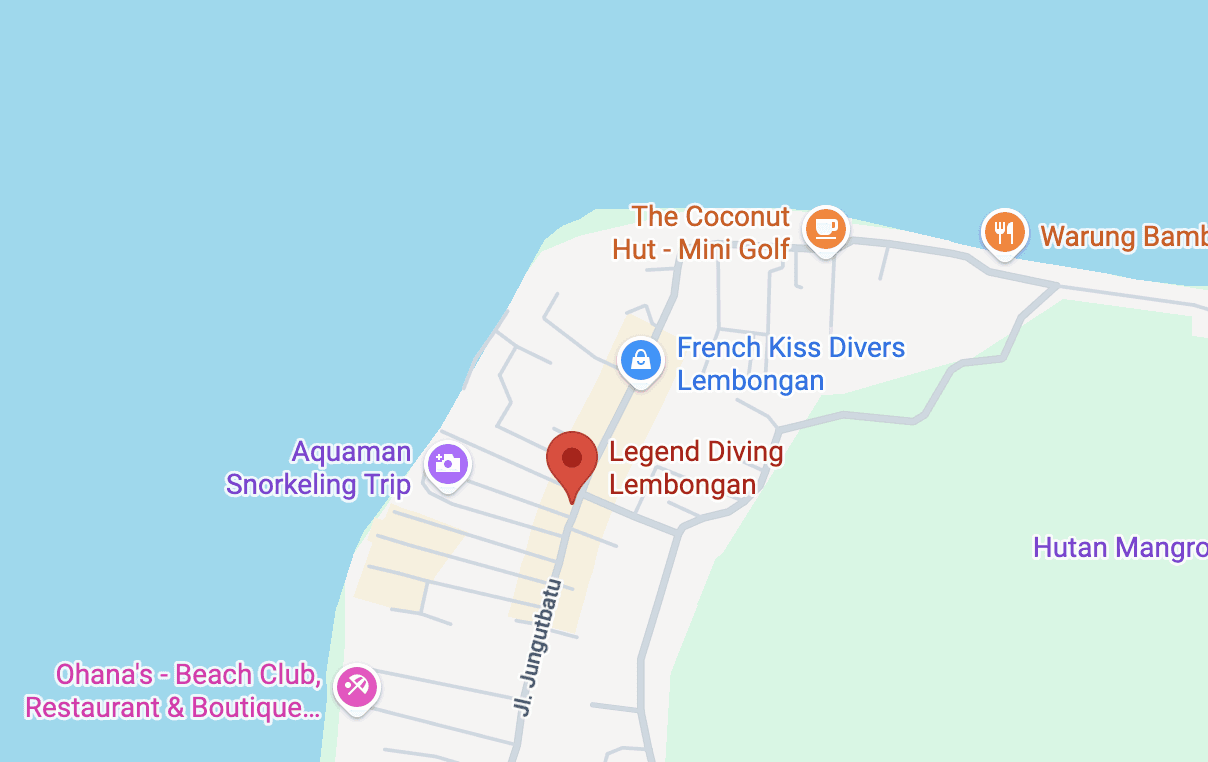



Find certified PADI, SSI, and RAID schools across Asia. Your guide to the world’s most unforgettable dive spots.