Where to Dive With Manta Rays in Southeast Asia
A complete guide to the best manta ray dive sites and seasons across the region.
Asia
Guide
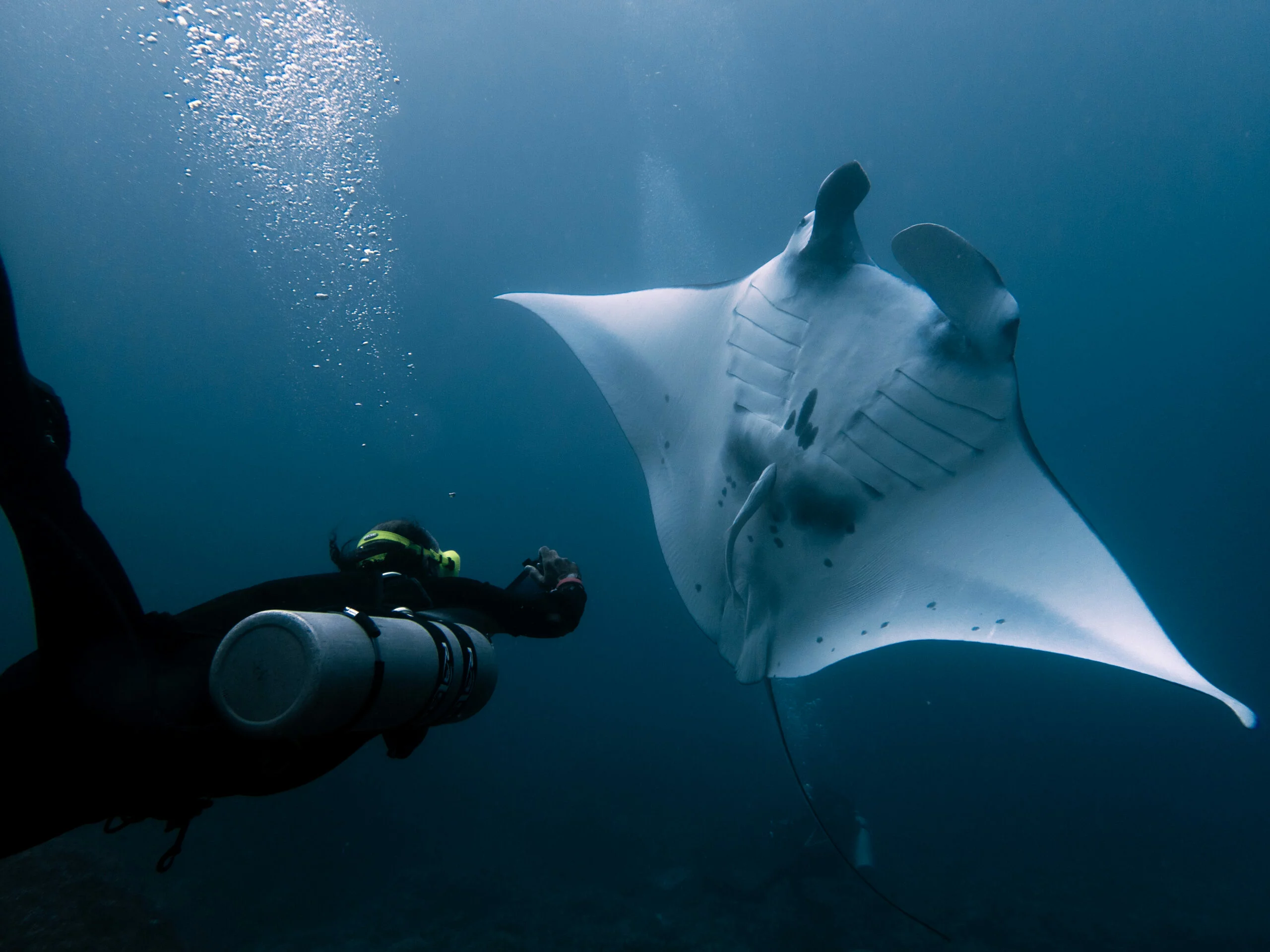
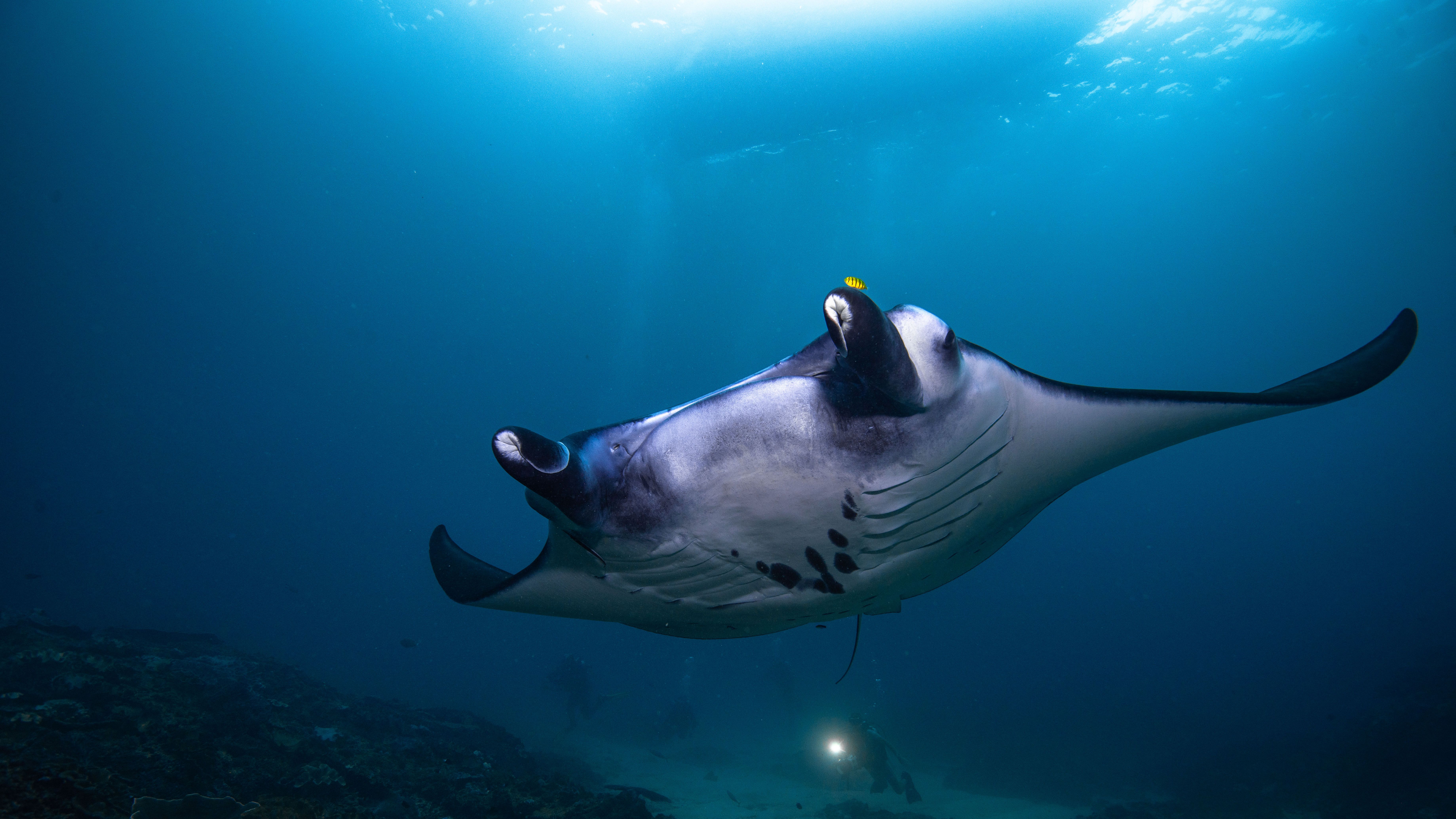
There are few experiences in scuba diving that compare to a manta ray encounter. These graceful animals, with wingspans reaching up to seven meters for oceanic species, move through the water with an effortless elegance that stops divers in their tracks. Unlike many large marine animals, manta rays are often curious about scuba divers and will circle, hover, and sometimes approach remarkably close.
Southeast Asia is one of the best regions in the world for manta ray diving, with multiple hotspots offering reliable sightings at different times of year.
Komodo National Park, Indonesia: The Manta Ray Capital
Komodo is home to two distinct manta populations, making it one of the best manta ray diving destinations in the world. In the south of the park, Manta Alley hosts oceanic mantas that come to feed on plankton concentrated by the current patterns. The best season for southern Komodo manta diving is December through February, when cooler upwellings bring nutrient-rich water.
Northern Komodo sites like Karang Makassar (Manta Point) offer reef manta encounters from roughly March to September. These mantas visit cleaning stations where small fish remove parasites, and watching the interaction up close is mesmerizing. Diving Komodo for mantas is a year-round possibility when you know which sites to visit each season.
Nusa Penida, Bali, Indonesia: Accessible Manta Diving
Manta Point off Nusa Penida is one of the most accessible manta ray dive sites in Southeast Asia, reachable in about 30 minutes by boat from the island. Reef mantas visit the cleaning station here nearly year-round, with the best conditions from April to November.
The dive site sits in a bay that provides some protection from currents, and the manta rays often come in close to the shallow reef, making for spectacular encounters. It is one of the few manta dive sites where snorkelers can also reliably see mantas.
Raja Ampat, Indonesia: Manta Sandy and Blue Magic
Manta Sandy in Raja Ampat is a world-famous cleaning station where reef manta rays arrive in the morning to be groomed. Scuba divers descend to the sandy bottom and wait as mantas glide in, hover over the cleaning stations, and circle the area. Multiple manta rays at once are common during peak season.
Blue Magic, also in Raja Ampat, offers encounters with the larger oceanic manta rays that visit the seamount. These are typically bigger animals and the encounters feel more open-ocean and dramatic.
Koh Bon, Similan Islands, Thailand: Thailand’s Best Manta Diving
Part of the Similan Islands marine park, Koh Bon is Thailand’s most reliable manta ray dive site. The season runs from October to May, with peak manta sightings from February to April. A cleaning station on the western side of the island attracts mantas regularly, and encounters can be extended as the animals circle repeatedly.
Sangalaki Island, Kalimantan, Indonesia: Mantas Without the Crowds
Less visited than the other manta ray destinations on this list, Sangalaki in the Derawan archipelago offers manta encounters with very few other scuba divers around. Oceanic mantas feed on plankton in the channels around the island, and the relative remoteness means you may have the mantas to yourself.
How to Behave Around Manta Rays
Manta rays are sensitive animals, and how scuba divers behave during encounters directly affects the quality and duration of the experience.
Stay low and still. At cleaning stations, settle on the sand and minimize your movement. Manta rays are more likely to approach and stay when divers are calm and non-threatening.
Do not chase them. Swimming after a manta will cause it to leave. Let them come to you. If a manta is circling, stay in position and enjoy the show.
Avoid touching. Touching a manta ray damages their protective mucus layer and causes stress. Maintain a respectful distance even when they come close.
Control your bubbles. When a manta passes directly overhead, try not to exhale a burst of bubbles directly at them.
Find Manta Ray Dive Operators on Scubalo
Manta encounters depend heavily on local knowledge, timing, and site selection. A dive center that knows the local manta patterns will give you a far better experience. Find verified manta ray dive operators across Southeast Asia on scubalo.com.
Want to spot mantas yourself? Browse dive sites across Southeast Asia.

Where to book a manta ray diving trip?



Find certified PADI, SSI, and RAID schools across Asia. Your guide to the world’s most unforgettable dive spots.