Beginner's Guide to Scuba Diving in Southeast Asia
From your first breath underwater to your PADI certification card, here is everything you need to know.
Guide
Asia
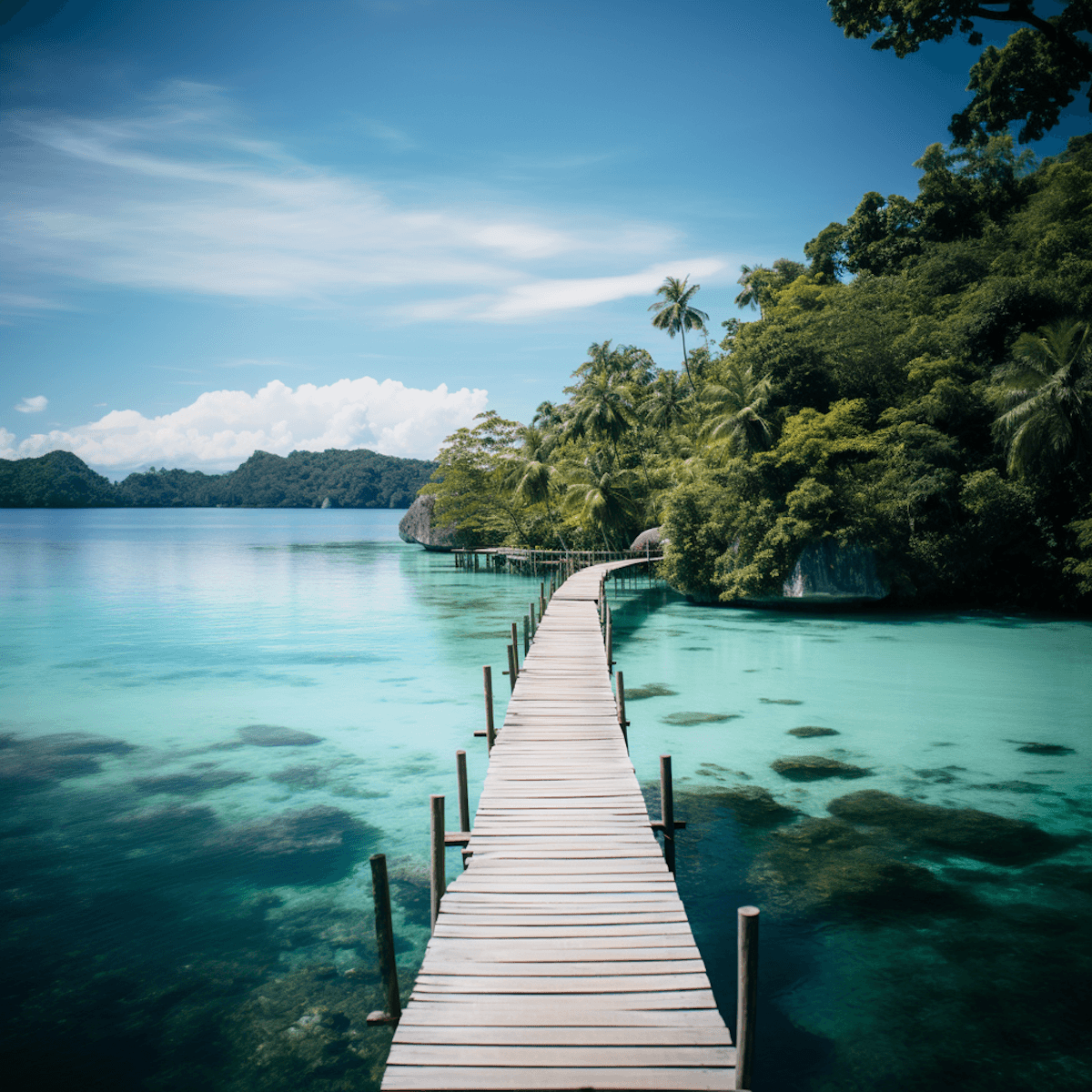
If you have ever thought about learning to scuba dive, Southeast Asia is almost certainly the best place in the world to do it. The water is warm (27-30°C year-round), which means no dry suits and minimal thermal discomfort. PADI and SSI scuba courses are significantly cheaper than in Europe, Australia, or the Americas. And the marine life you will see on your very first dives rivals what experienced divers travel thousands of miles to find.
Beyond the practical advantages, there is something about the dive communities across Southeast Asia that makes the learning process welcoming rather than intimidating. Dive schools here have turned the process of getting beginners comfortable underwater into an art form.
Do You Need to Be a Strong Swimmer to Scuba Dive?
You do not need to be an Olympic swimmer, but you do need to be comfortable in the water. Scuba certification courses require you to pass a basic swim test: 200 meters of unassisted swimming and 10 minutes of floating or treading water. These are not timed sprints; they demonstrate that you will not panic in open water.
If swimming is not your strong suit, consider building your comfort in the water before your trip. Even a few sessions at a local pool can make a significant difference in how relaxed you feel.
What Scuba Certification Should Beginners Get?
The PADI Open Water Diver certification is the standard starting point for new scuba divers. This course qualifies you to dive independently with a buddy to a maximum depth of 18 meters. The two most common agencies in Southeast Asia are PADI and SSI, and both produce an internationally recognized certification.
If you are not ready to commit to a full course, most dive centers offer a Discover Scuba Diving (or Try Dive) experience. This is a half-day or full-day introduction where you learn the basics in a pool and then do one or two shallow ocean dives under close instructor supervision. It is a great way to test the waters before investing in full scuba certification.
How Long Does Scuba Certification Take?
A standard PADI Open Water course takes three to four days. Day one covers theory (or you can complete the e-learning before your trip). Day two is spent in confined water practicing essential diving skills. Days three and four involve four open water dives in the ocean where you apply everything under instructor guidance.
Best Destinations for Beginner Scuba Divers in Southeast Asia
Koh Tao, Thailand
The most popular place in the world to get scuba certified, with dozens of PADI and SSI dive schools, calm conditions, and a social backpacker atmosphere. Open Water courses cost between $250-$310 USD, and the island has excellent infrastructure for visitors.
Gili Islands, Indonesia
The Gili Islands off Lombok offer a relaxed island vibe, turtle-rich waters, and no motorized traffic on land. The calm, sheltered waters around Gili Trawangan are perfect for beginner scuba divers, and you will almost certainly see sea turtles on your certification dives.
Moalboal, Philippines
The resident sardine run at Panagsama Beach means even your first dives include an unforgettable wildlife spectacle. The scuba diving community here is welcoming and the cost of living is very low.
Koh Lanta, Thailand
For those who prefer a quieter setting, Koh Lanta offers excellent diving in the Koh Haa marine park with less of the party atmosphere. Class sizes tend to be smaller, and the pace of learning is more relaxed.
How Much Does Scuba Certification Cost in Southeast Asia?
PADI Open Water certification in Southeast Asia typically costs between $250 and $450 USD, depending on the destination. Thailand tends to be at the lower end, while Bali and the Philippines fall in the middle range. This usually includes all scuba equipment, learning materials, certification fees, and the dives themselves.
Essential Tips for New Scuba Divers
Equalize early and often. The most common source of discomfort for new divers is ear pressure. Start equalizing (pinching your nose and gently blowing) as soon as you begin descending, and do it every meter or so.
Breathe slowly and continuously. The golden rule of scuba diving is never hold your breath. Slow, deep breathing keeps you safe, improves your air consumption, and helps you stay calm.
Relax. Tension burns air and makes everything harder. The more relaxed you are, the better your buoyancy, the slower your breathing, and the more you will enjoy the dive. Trust your equipment and your training.
Do not touch anything. Coral is fragile and some marine life can sting, bite, or cause allergic reactions. Keep your hands to yourself, maintain good buoyancy to avoid reef contact, and observe from a respectful distance.
Start Your Scuba Diving Journey with Scubalo
Finding the right dive center for your first experience underwater makes all the difference. Scubalo helps beginner scuba divers find verified dive schools across Southeast Asia, filtered by location, courses offered, and experience level. Browse dive centers and start your journey at scubalo.com.
New to diving? Find a beginner-friendly dive center.
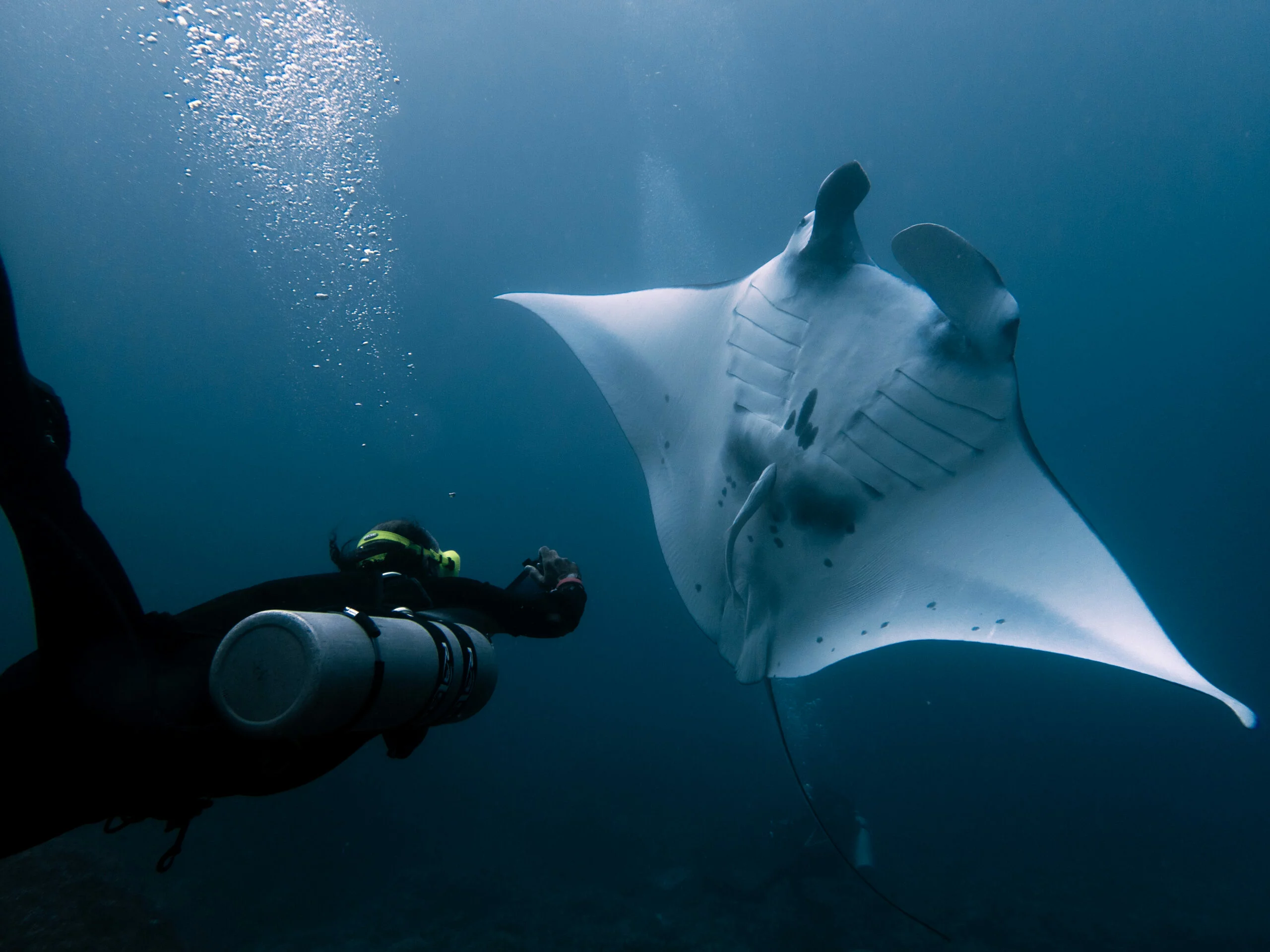
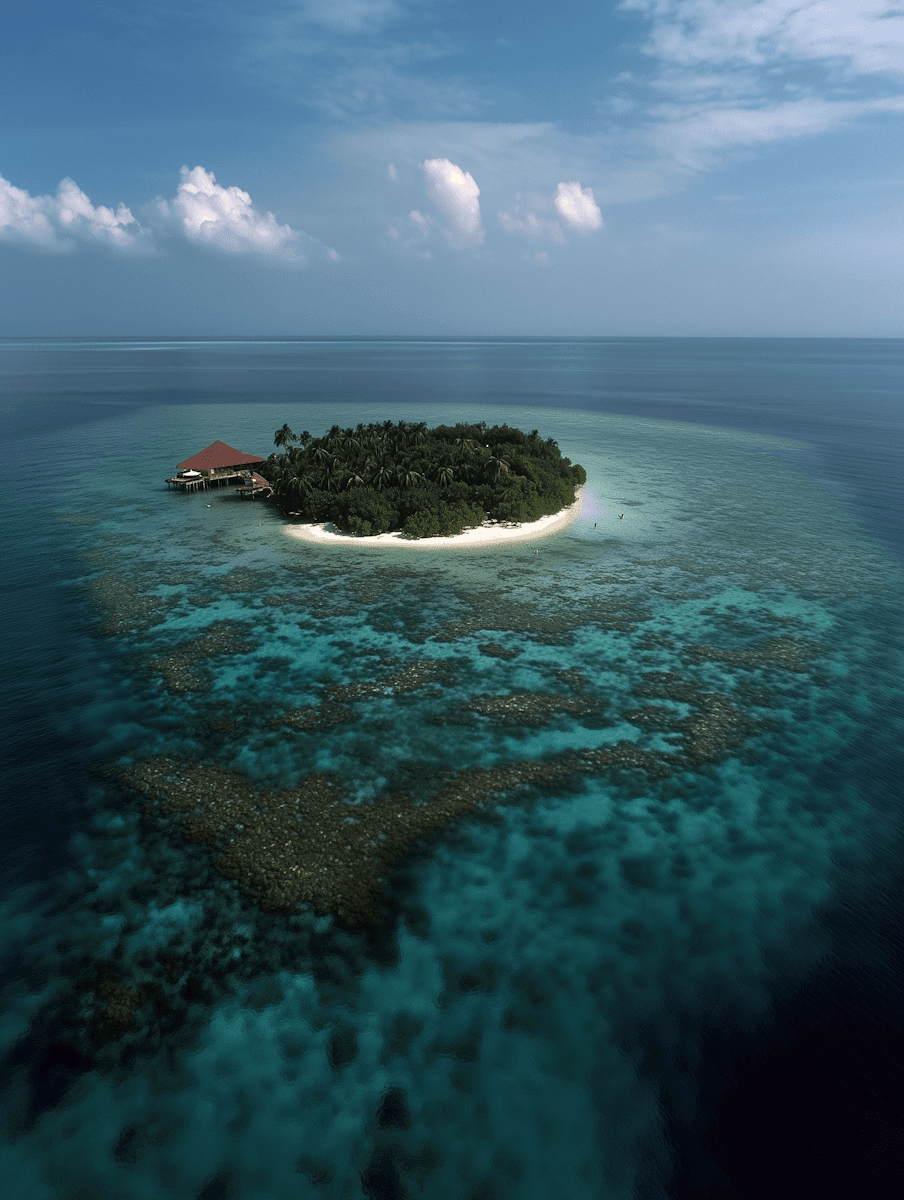
Where to book your first dive trip?
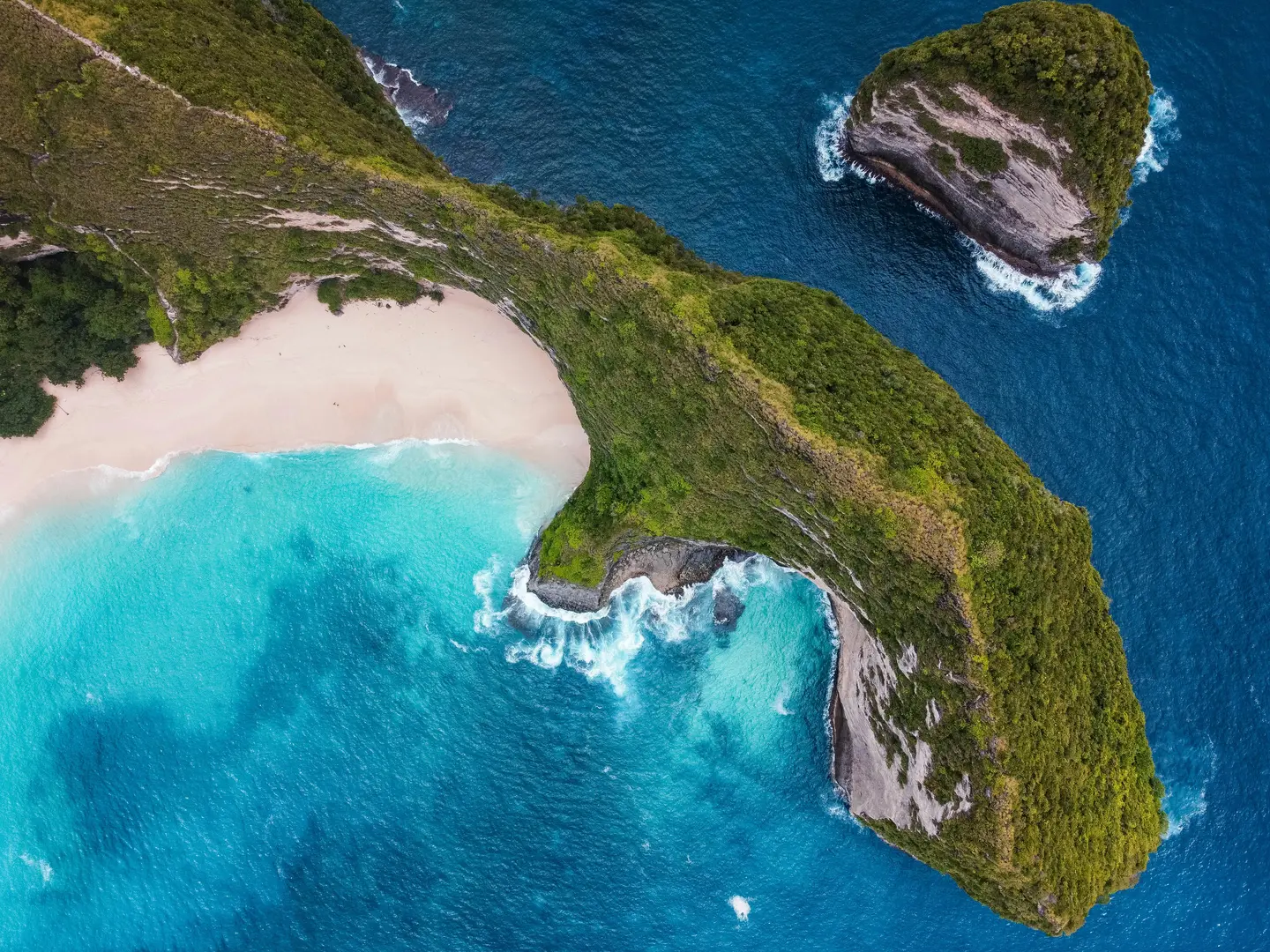



Find certified PADI, SSI, and RAID schools across Asia. Your guide to the world’s most unforgettable dive spots.