Padang Bai Diving Guide: Blue Lagoon, the Jetty and Beyond
Padang Bai is Bali's most varied dive base, a short boat ride from Blue Lagoon's calm reefs, the Jetty's macro life, and the current-swept walls of Gili Tepekong. This guide covers every site, the best season to visit, and where to book your trip.
Indonesia
Guide
Asia

Photo by
Benjamin L. Jones
Padang Bai diving covers more ground than almost anywhere else in Bali. This small harbor town in East Bali doubles as the ferry port for Nusa Penida, Lombok, and the Gili Islands, and it sits a short boat ride from four very different dive sites: the calm reefs of Blue Lagoon, the macro-packed pylons of the Jetty, the shark and wreck sites near the harbor mouth, and the current-swept walls of Gili Tepekong and Gili Mimpang. Divers can do an easy reef dive in the morning and a drift dive past resting sharks in the afternoon, all without changing dive centers or driving anywhere else on the island.

Photo by Pascal van de Vendel
Why Dive Padang Bai?
Padang Bai packs Bali's full range of diving into one small bay. Beginners can dive the calm, coral-covered Blue Lagoon. Macro hunters can search the Jetty's pylons for frogfish and ghost pipefish. Advanced divers can drift past sea fans and sharks at Gili Tepekong and Gili Mimpang. Few dive bases in Bali offer this much variety within a 30-minute boat ride of one harbor.
Blue Lagoon: Padang Bai's Easiest Dive for All Levels
Blue Lagoon sits just five minutes by boat from Padang Bai's harbor, and some dive centers even run it as a shore dive. The sandy bottom starts at 3 to 5 metres and slopes down to about 18 to 22 metres, so divers can stay shallow or follow the slope deeper. Coral bommies cover the site and draw in ribbon eels, peacock mantis shrimp, leaf scorpionfish, frogfish, turtles, and blue-spotted stingrays. Calm conditions make Blue Lagoon a favourite for Open Water divers, and the same site rewards Advanced divers who want to explore deeper along the wall on a second pass. Snorkelers use the same bay, so it is common to see both groups sharing the water on a calm morning.
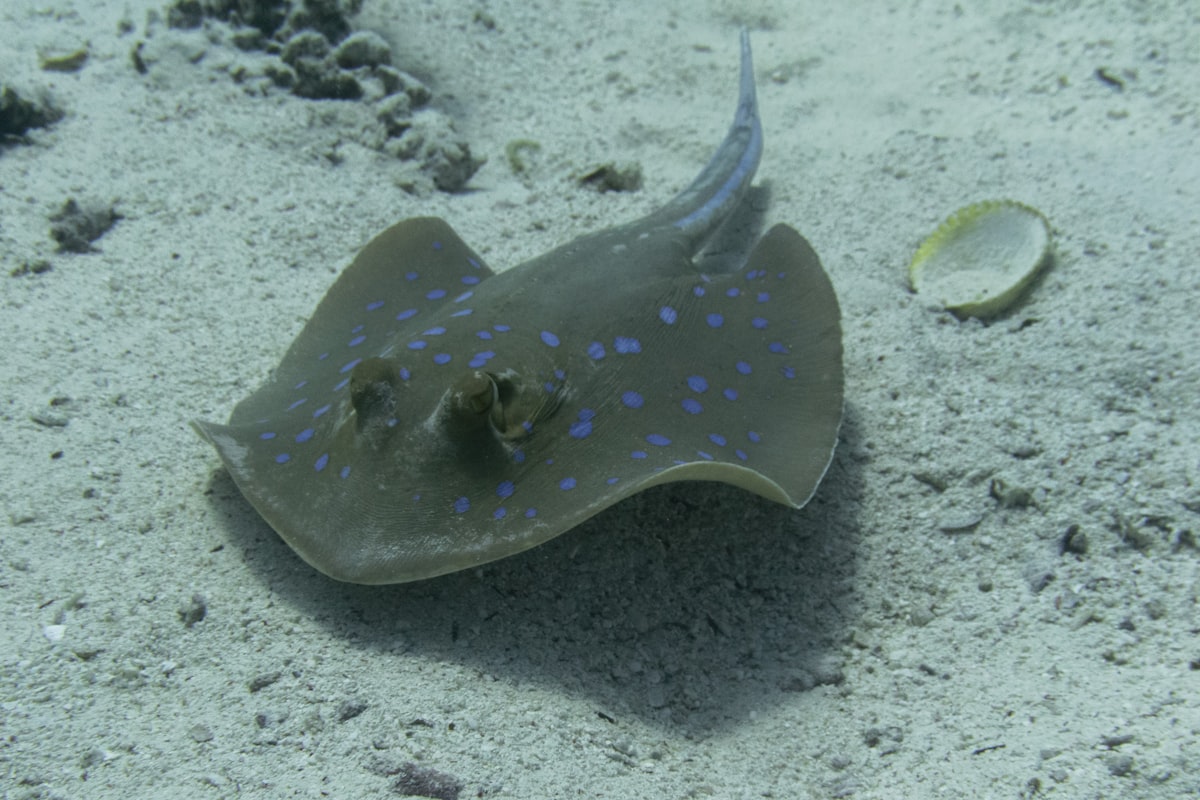
Photo by Oliver Schwaneberg
The Jetty: Macro and Muck Diving Under the Pier
The Jetty is an old pier whose concrete pylons have turned into one of Bali's best macro dives. Large schools of porcupinefish shelter under the structure, and patient divers find frogfish, ghost pipefish, leaf scorpionfish, wasp fish, cuttlefish, octopus, and nudibranchs tucked between the pillars. The site sits close to shore and stays sheltered from swell, so it works well as a second dive of the day or a dedicated muck-diving trip for underwater photographers chasing small, strange subjects. Because visibility here depends more on finding subjects than seeing far, a slow, careful fin kick pays off more than covering distance.
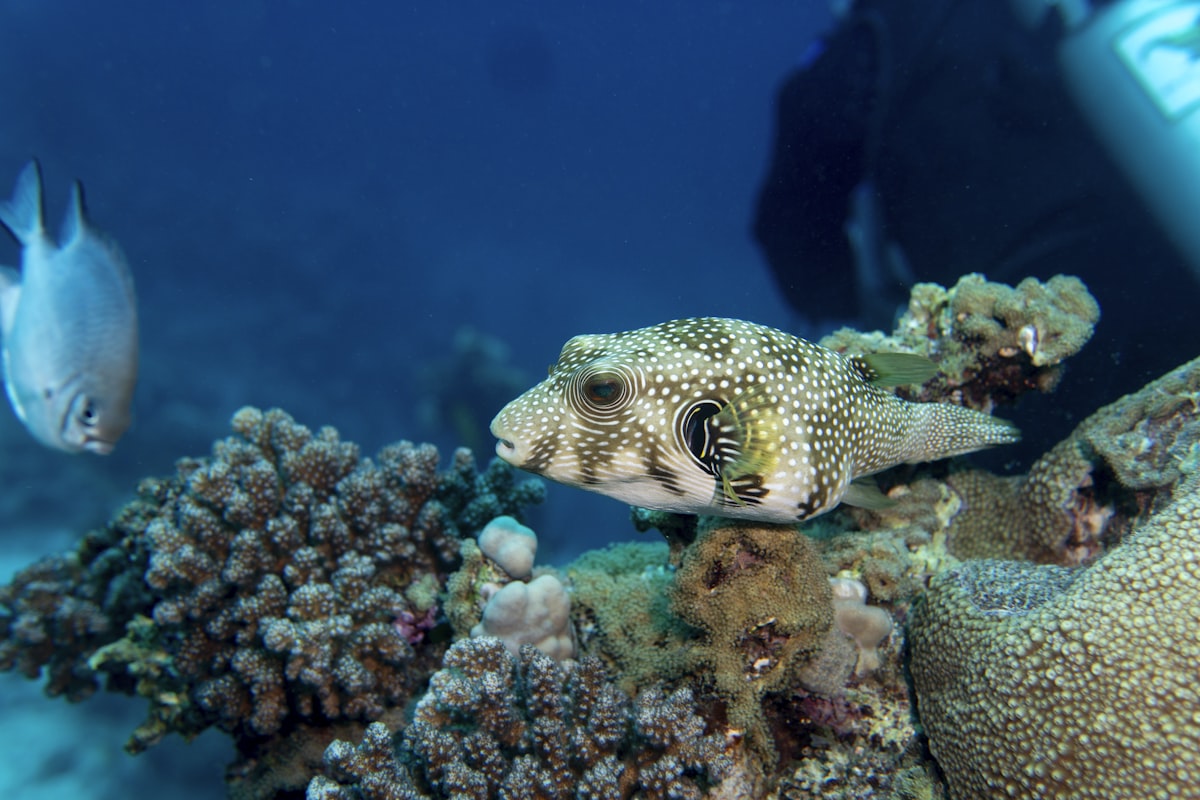
Photo by Oliver Schwaneberg
Shark Point and Tanjung Jepun: Padang Bai's Extra Sites
Padang Bai has two more sites worth the extra boat time. Shark Point, also called Tanjung Sari, sits near the harbor mouth and gives divers a real chance to see whitetip, blacktip reef, and nurse sharks resting on the sand, alongside schools of trevally and stingrays. Nearby, Tanjung Jepun combines an artificial reef with a small wreck at around 17 metres, and its macro life, including frogfish and rare nudibranchs, makes it a favourite for night diving and photography. Both sites lie in the channel used by ferries heading to Nusa Penida and Lombok, and divers sometimes see a hull pass overhead near the end of the dive.
Gili Tepekong and Gili Mimpang: Currents, Caves and Occasional Mola Mola
Gili Tepekong and Gili Mimpang sit up to 30 minutes by boat from Padang Bai and ask more of divers than Blue Lagoon or the Jetty. Strong, sometimes unpredictable currents run through both sites, so dive centers recommend Advanced Open Water certification or solid drift-diving experience before booking them. Tepekong has an underwater cave between 18 and 26 metres where whitetip reef sharks often rest during the day. Mimpang's small islets are covered in sea fans and draw schools of angelfish and chromis, along with Napoleon wrasse, eagle rays, and leopard sharks. Many dive centers combine Tepekong and Mimpang into a single two-site boat trip, since the sites sit close together. Between July and October, divers sometimes spot mola mola, the oceanic sunfish, at these sites, though Nusa Penida remains the more reliable spot for that encounter.

Photo by Pascal van de Vendel
Best Time to Dive Padang Bai
Padang Bai can be dived all year, but April to November brings the calmest seas and the best visibility. Water temperature usually sits between 24°C and 29°C, though it drops toward 21°C between July and October when a seasonal thermocline moves through the area, especially at the deeper, current-exposed sites like Tepekong. A 3mm to 5mm wetsuit is worth packing for that cooler stretch. For a fuller picture of Bali's dive seasons month by month, see our guide to diving Indonesia by season.
Getting to Padang Bai and Planning Your Trip
Padang Bai sits about an hour's drive from Sanur or Seminyak, and most dive centers include hotel transfers in the price of a day trip. Because Padang Bai is also Bali's ferry port for Nusa Penida, many divers base themselves here for a few days to combine Blue Lagoon and Tepekong with a separate boat trip to Nusa Penida's manta and mola mola sites. A typical day out of Padang Bai runs as a two-tank boat trip, usually pairing one easier site like Blue Lagoon with one of the current sites, so divers get a mix of easy and challenging diving in the same morning.
Padang Bai Diving FAQ
What is Padang Bai known for?
Padang Bai is known for its variety. Divers can visit the calm Blue Lagoon, the macro-rich Jetty, shark sightings at Shark Point, and the current-swept Gili Tepekong and Gili Mimpang, all within a short boat ride of one harbor town.
Is Padang Bai good for beginners?
Yes. Blue Lagoon and the Jetty both sit in sheltered water with mild currents, making them suitable for Open Water divers. Gili Tepekong and Gili Mimpang need more experience because of strong currents.
Can you see mola mola at Padang Bai?
Occasionally. Divers sometimes spot mola mola near Gili Tepekong between July and October, but Nusa Penida sees them far more consistently during that window.
How do I get to Padang Bai from South Bali?
Padang Bai sits about an hour's drive from Sanur or Seminyak. Most dive centers based in Padang Bai or elsewhere in Bali offer transfers from south Bali hotels as part of a day trip.
Where to Book Your Padang Bai Dive Trip
Padang Bai rewards divers who want range: an easy reef in the morning, a macro hunt at the Jetty, and a drift past sharks and sea fans by afternoon. Book with a dive center that knows all of Padang Bai's sites and reads the currents at Tepekong and Mimpang correctly, since conditions there change fast.
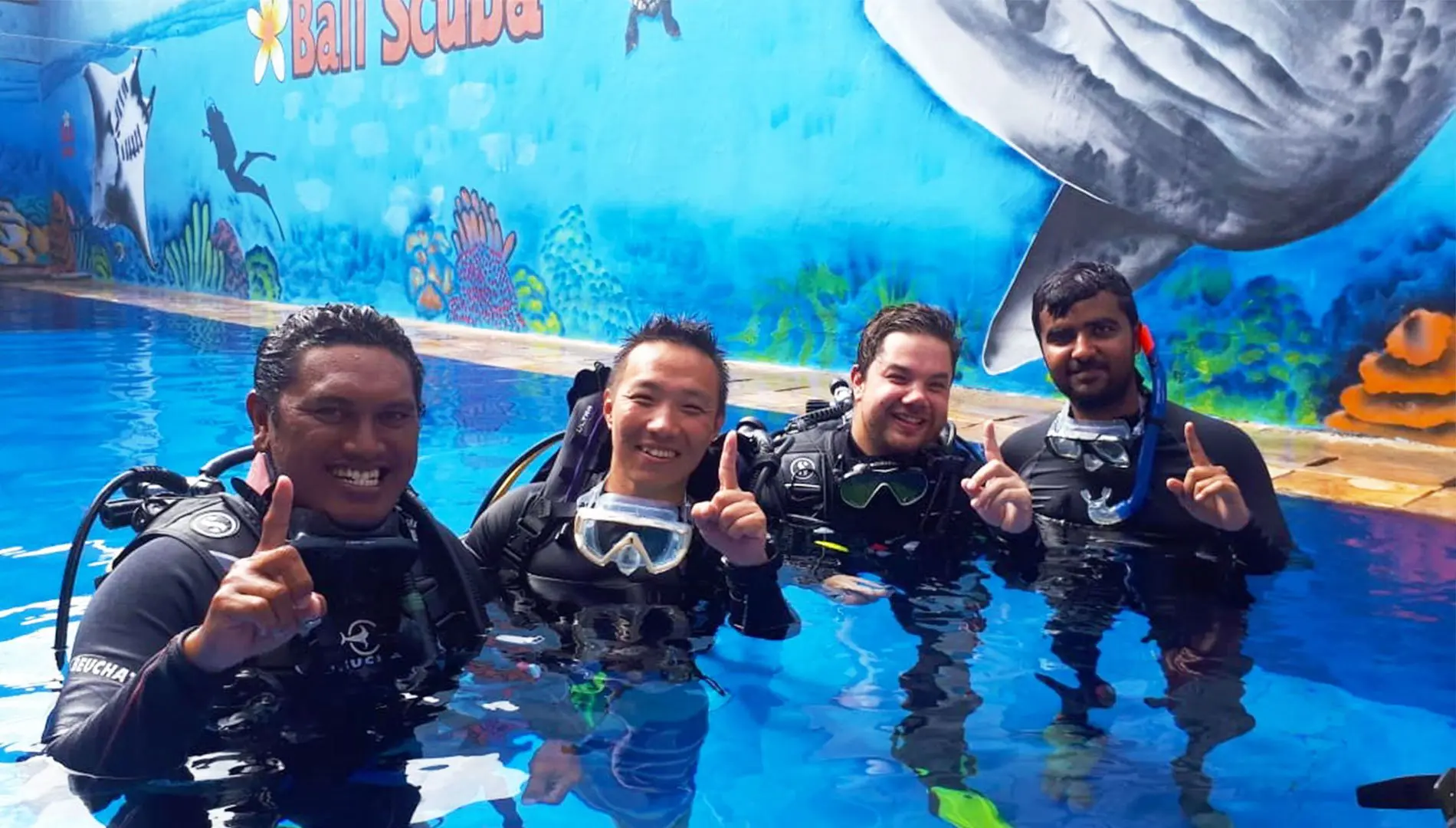
Adventure Scuba Diving Bali, Bali Scuba, and Geko Dive Padangbai all run trips to Padang Bai's dive sites, with Geko Dive based right in Padang Bai itself. Browse more dive centers in Bali or explore Bali's other dive sites to plan the rest of your trip.


Where to book your Padang Bai dive trip?



Find certified PADI, SSI, and RAID schools across Asia. Your guide to the world’s most unforgettable dive spots.