Diving Komodo National Park: What You Need to Know Before You Go
Your essential guide to planning a dive trip to Komodo National Park, Indonesia.
Asia
Guide
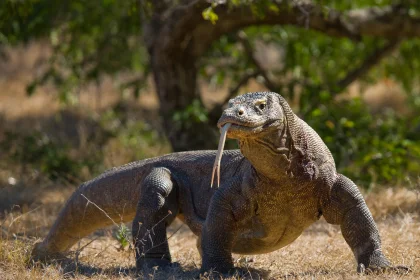
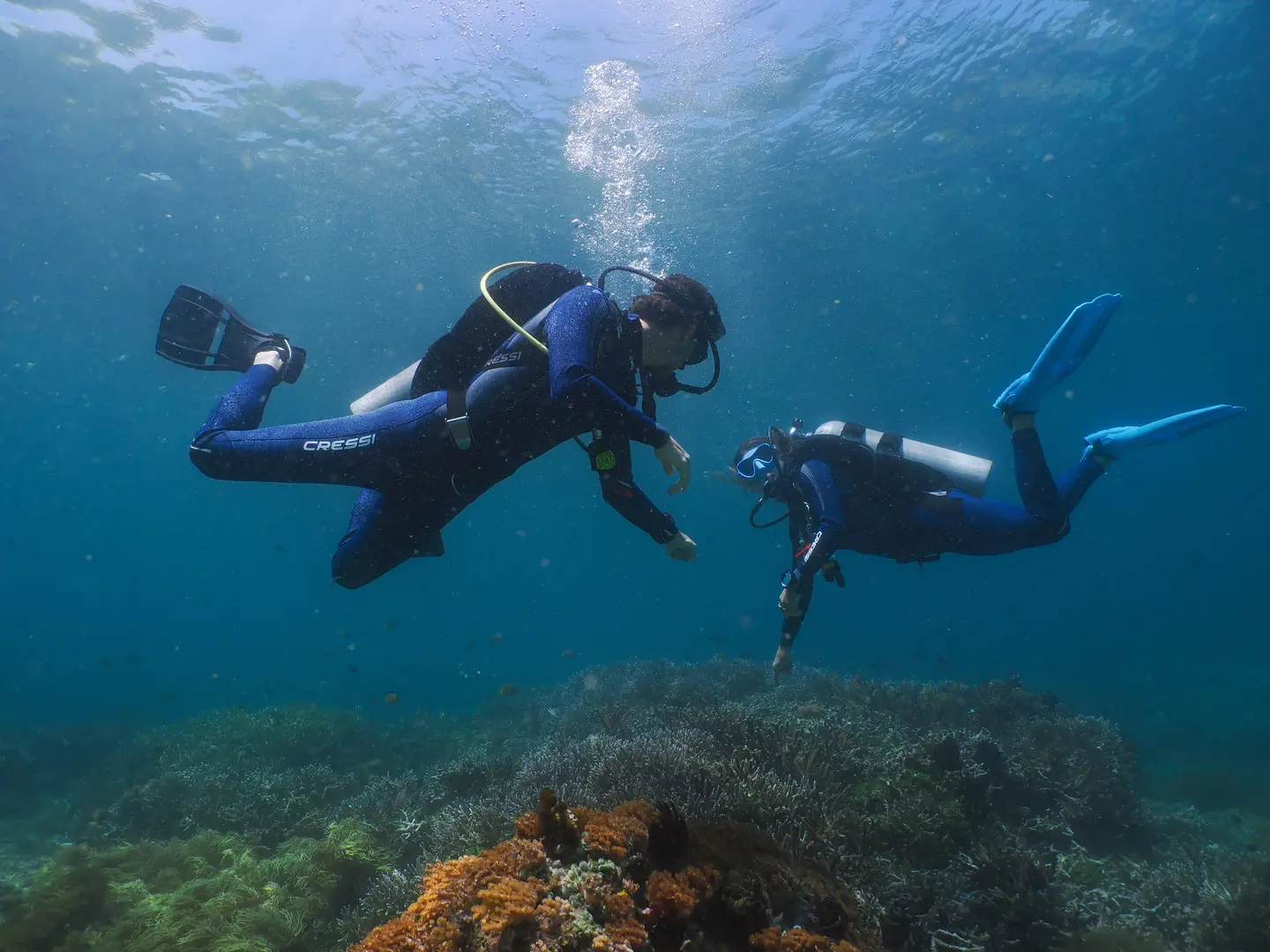
Komodo National Park in eastern Indonesia is one of the most exciting scuba diving destinations on the planet. The park sits at the convergence of the Indian and Pacific Oceans, and the powerful currents that sweep through its channels bring nutrient-rich water that sustains an extraordinary marine ecosystem. Manta rays, reef sharks, giant trevally, and some of the most colorful soft coral gardens you will ever see are all part of the daily dive experience here.
But diving Komodo is not something you should approach casually. The conditions that make it spectacular also make it demanding. Understanding what you are getting into will help you get the most out of every dive.
The Best Dive Sites in Komodo
Batu Bolong Indonesia’s Most Famous Dive Site
A small rock pinnacle rising from deep water, Batu Bolong is widely regarded as one of the best dive sites in all of Indonesia. Every square centimeter of the rock is covered in soft corals, sea fans, and sponges. The currents attract schools of surgeonfish, trevally, and Napoleon wrasse, with reef sharks patrolling the deeper sections. Timing your dive with the current is everything at Batu Bolong.
Castle Rock: Big-Animal Encounters
An underwater seamount in the north of Komodo National Park, Castle Rock delivers the big-animal encounters that experienced scuba divers crave. Grey reef sharks, whitetip sharks, giant trevally, and massive schools of fusiliers swirl around the rock. When the current is running, the action is non-stop.
Manta Alley: Guaranteed Manta Ray Encounters
Located in the south of Komodo National Park, Manta Alley is one of the most reliable places in the world to encounter oceanic manta rays. During the right season, mantas come to feed on plankton-rich water in a shallow channel, often gliding just meters above scuba divers. The experience of watching a four-meter manta ray pass overhead never gets old.
Crystal Rock: Pristine Corals and Eagle Rays
Another northern seamount, Crystal Rock offers excellent coral coverage and regular sightings of eagle rays, sea turtles, and reef sharks. The topography includes overhangs and small caves that shelter resting sharks and large groupers.
Best Time to Dive Komodo
Komodo is diveable year-round, but conditions vary significantly by season. The dry season from April to November generally offers the best visibility in the north (25-30 meters). Water temperatures range from 26-29°C in the north and can drop to 20-24°C in the south, especially during the manta season from December to February.
Southern dive sites like Manta Alley are best from December to March when cooler, plankton-rich upwellings attract feeding manta rays. Northern sites like Batu Bolong and Castle Rock are at their best from April to November. A good dive operator will plan your itinerary around the conditions of the day.
Understanding Komodo’s Currents
Currents in Komodo can be strong, unpredictable, and change direction mid-dive. This is not a scuba diving destination for newly certified divers or those uncomfortable in moving water. Most dive operators recommend a minimum of 30 logged dives and solid buoyancy control before tackling Komodo’s signature dive sites.
Current strength varies throughout the day with the tides. Dive operators check conditions before every dive, and it is normal for plans to change. Flexibility and trust in your operator are key to a safe and enjoyable Komodo diving trip.
How to Get to Komodo
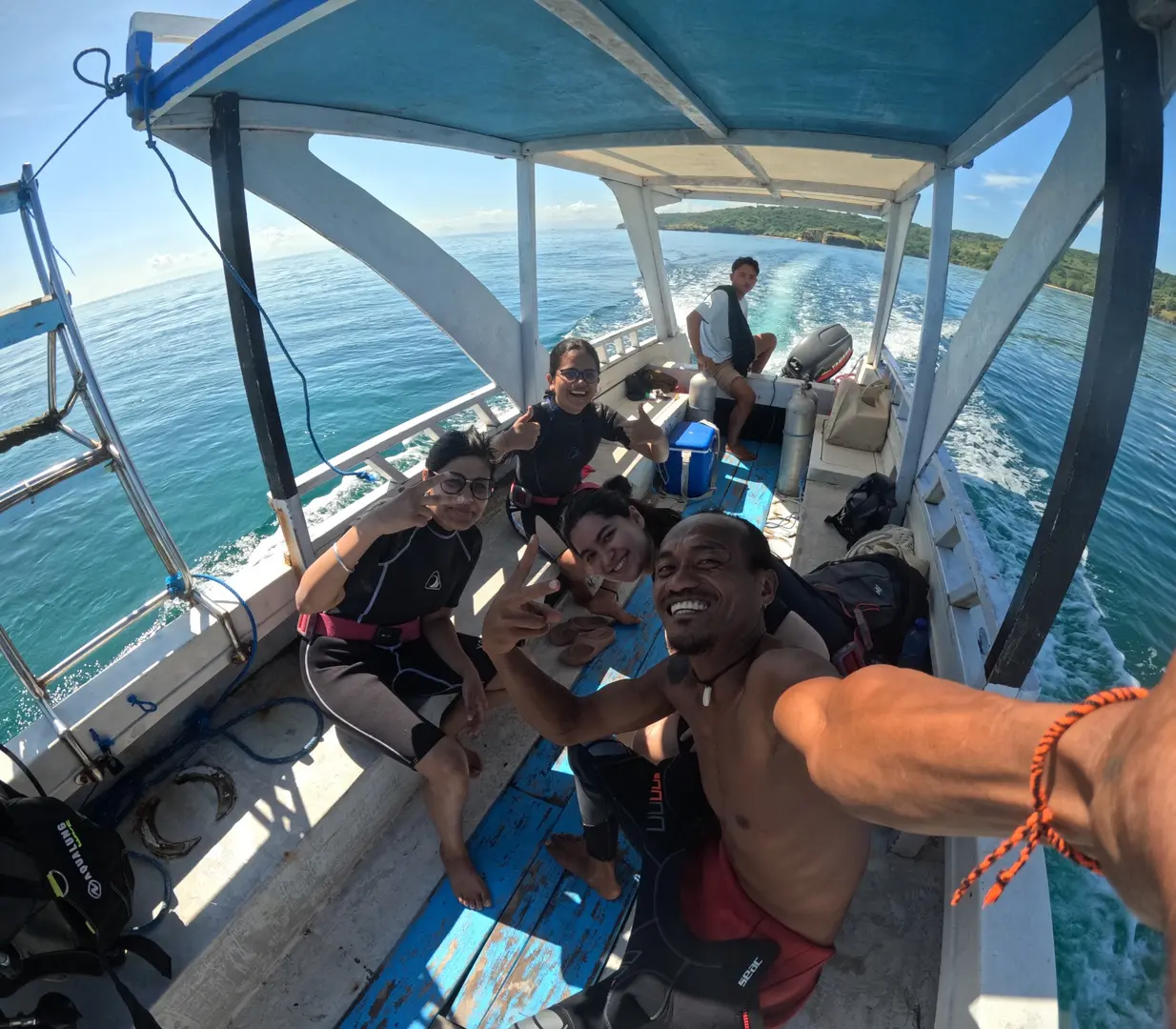
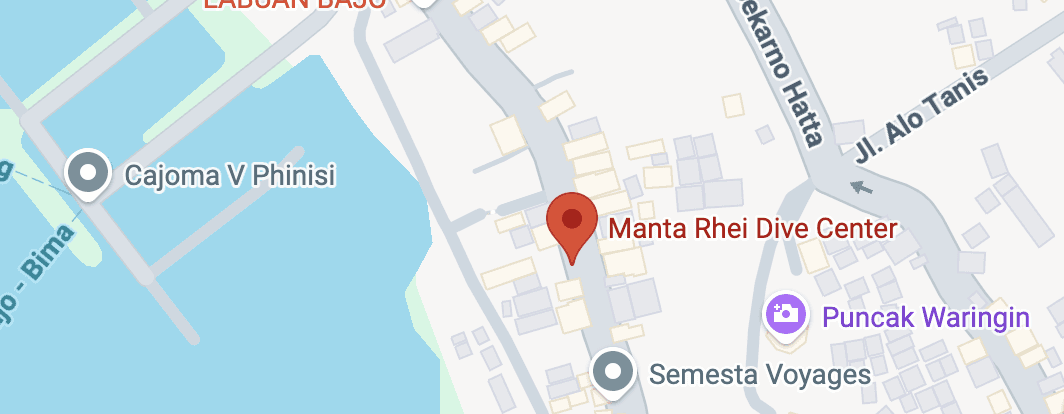
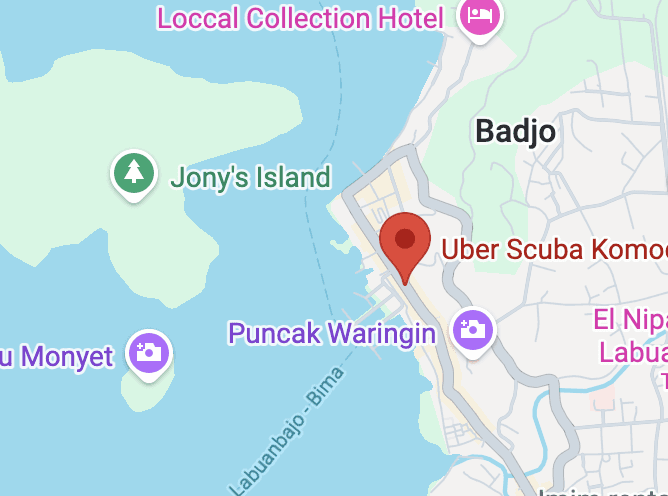
The gateway to Komodo National Park is Labuan Bajo on the western tip of Flores. Direct flights are available from Bali (about one hour) and Jakarta. From Labuan Bajo, day boats reach the park’s dive sites in one to two hours, and liveaboard trips depart regularly for multi-day diving excursions covering the full range of sites.
Finding the Right Komodo Dive Operator
In a destination where currents can be serious and conditions change quickly, the quality of your dive operator matters more than almost anywhere else. You want a team that knows the dive sites intimately, checks conditions before every dive, carries appropriate safety equipment, and is transparent about which sites are appropriate for your experience level.
Scubalo lists verified dive centers in Labuan Bajo and across Komodo, helping you find operators who prioritize safety and deliver exceptional diving. Explore options at scubalo.com.
Planning your trip? See dive shops in Komodo.
Where to book a dive trip in Komodo?


Find certified PADI, SSI, and RAID schools across Asia. Your guide to the world’s most unforgettable dive spots.