Whale Sharks in Indonesia: The Best Places to Meet the Biggest Fish
Whale sharks are the biggest fish in the sea, and Indonesia is one of the best countries on earth to meet them. From West Papua to Sumbawa, several bays host these gentle giants around traditional fishing platforms. Here is where to go, when to visit, and how to do it right.
Indonesia
Guide
Asia

Photo by
Nott Peera
Whale sharks are the biggest fish in the sea, and Indonesia is one of the best countries on earth to meet one. Several Indonesian bays host whale sharks around traditional fishing platforms, which makes sightings far more dependable than in most of the world. This whale shark Indonesia guide covers the five best places to see them: Cenderawasih Bay, Saleh Bay, Triton Bay, Talisayan, and Gorontalo. You will learn how the encounters work, when to go, and how to behave in the water so the meeting stays safe for you and the shark. Despite their size, whale sharks are filter feeders. They eat plankton and small baitfish, and they pose no threat to swimmers.
Where Can You See Whale Sharks in Indonesia?
Indonesia has five standout whale shark locations: Cenderawasih Bay in West Papua, Saleh Bay off Sumbawa, Triton Bay near Kaimana, Talisayan in East Kalimantan, and Botubarani village in Gorontalo. Most encounters happen beside bagan fishing platforms, where the sharks gather to feed on baitfish that leak from the nets.
A bagan is a wooden lift-net platform anchored in open water. Fishermen use lights to attract baitfish at night, then raise the nets in the morning. Whale sharks have learned that the platforms mean an easy meal. They cruise below the nets and suck up stray baitfish, which keeps them close to the surface and easy to find. This is why whale shark encounters in Indonesia feel so different from the open-ocean luck you need elsewhere. The sharks come to a known spot, and local guides know their habits.
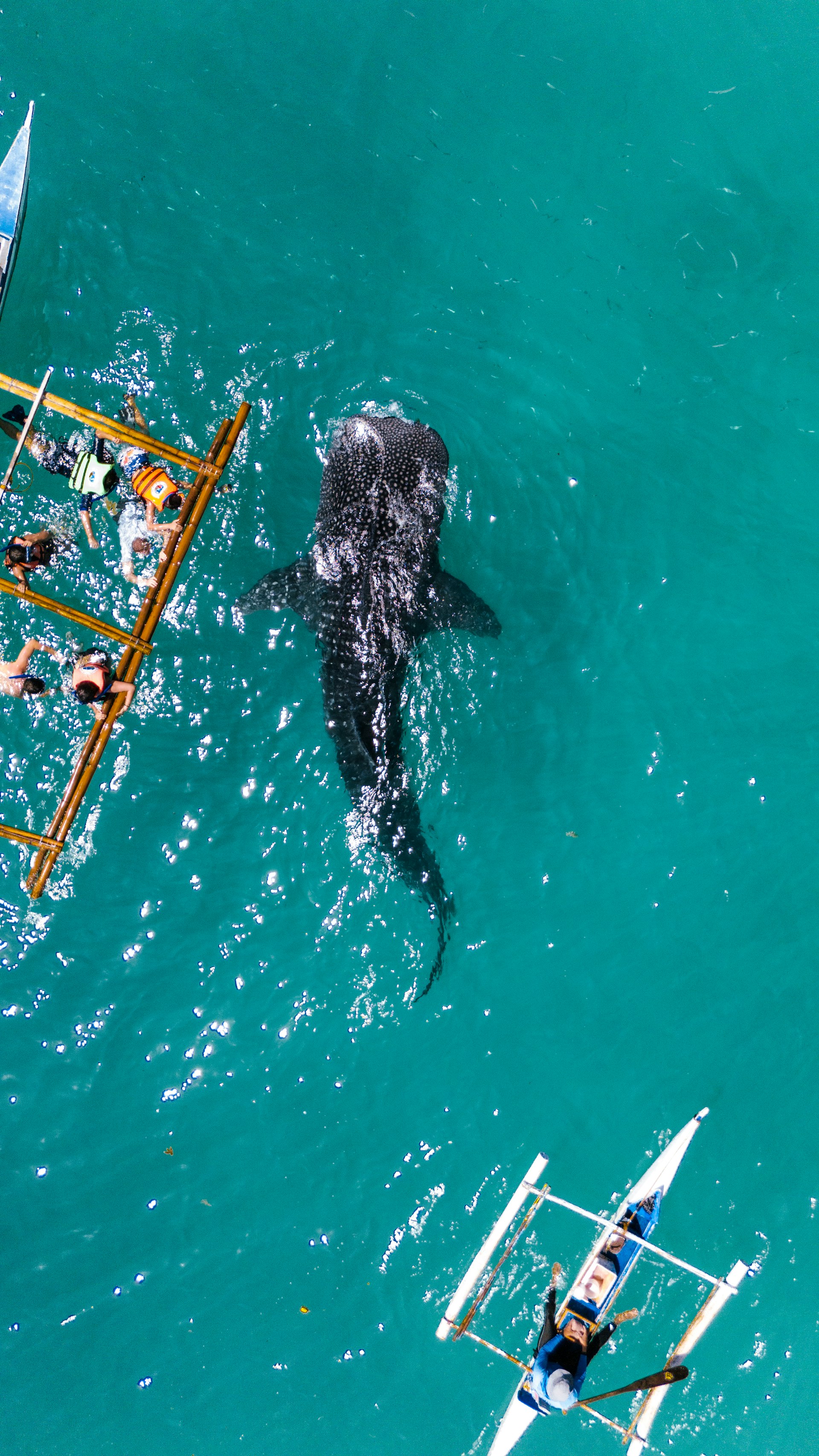
Photo by Mounish Raja
Cenderawasih Bay: The Most Reliable Encounter
Cenderawasih Bay in West Papua offers Indonesia's most dependable whale shark encounter. Its sharks are resident rather than migratory, so they stay near the bay's bagan platforms all year. Local guides find them on most days, which no seasonal whale shark site can promise.
The bay sits inside Teluk Cenderawasih National Park, Indonesia's largest marine protected area at around 1.4 million hectares. Getting there takes effort: fly to Nabire through Jakarta, Makassar, or Biak, then take a boat to Kwatisore or join a liveaboard that includes the bay. Most encounters here happen snorkeling at the surface beside the platforms, where the sharks feed in shallow water. We cover the full trip in our Cenderawasih Bay whale shark diving guide.
Saleh Bay: Sumbawa's Whale Shark Hotspot
Saleh Bay, on the north coast of Sumbawa, has become Indonesia's most accessible whale shark destination. Encounters happen in the early morning around bagan platforms inside the sheltered bay, and sightings are common throughout the year. Trips run from Sumbawa Besar and connect easily with Lombok.
The routine is simple. Boats leave before dawn, reach the bagans as the fishermen raise their nets, and the whale sharks are often already circling below. The bay is calm and protected, so conditions suit snorkelers and first-timers well. Because Sumbawa sits right next to Lombok, many divers add a Saleh Bay morning to a wider Lombok and Sumbawa trip. If you are already planning dives around Lombok, this is the easiest whale shark meeting you can add to an Indonesian itinerary.

Photo by wd toro
Triton Bay, Talisayan and Gorontalo: Off the Beaten Track
Three more Indonesian regions offer whale shark encounters away from the crowds: Triton Bay near Kaimana in West Papua, Talisayan on the East Kalimantan coast, and Botubarani village in Gorontalo, North Sulawesi. Each pairs the sharks with diving you will not find anywhere else.
Triton Bay
Triton Bay's whale sharks visit bagan platforms just like their Cenderawasih cousins, and trips run from the small town of Kaimana. The bay is better known for its soft coral reefs, so the sharks are a bonus on top of world-class diving. Read our Triton Bay diving guide for the full picture.
Talisayan
Talisayan sits on the East Kalimantan coast south of the Derawan Islands. Whale sharks gather at its bagans in the early morning, and most visitors combine the encounter with a Derawan trip. Our Derawan Islands diving guide covers the mantas, turtles and jellyfish lake nearby.
Botubarani, Gorontalo
Botubarani is a village on the Gorontalo coast where whale sharks appear right off the beach, drawn in part by shrimp skins discarded from a local processing plant. Sightings come and go, so treat Botubarani as a stop when the sharks are around, not a trip on its own. Ask local operators about recent sightings before you plan around it.
When Is the Best Time to See Whale Sharks in Indonesia?
There is no single whale shark season in Indonesia. Cenderawasih Bay and Saleh Bay host sharks year-round because the animals feed at the bagans rather than follow a migration. Timing matters more for sea conditions and for the rest of your diving than for the sharks themselves.
Plan around the region instead. Papua's seas can turn rough with little warning, so build buffer days into a Cenderawasih or Triton Bay trip. Saleh Bay encounters happen at dawn, so stay the night before nearby rather than racing over from Lombok in the dark. And if the whale sharks are one part of a longer route through Indonesia, our best time to dive Indonesia guide breaks down every region's season so you can line the pieces up.
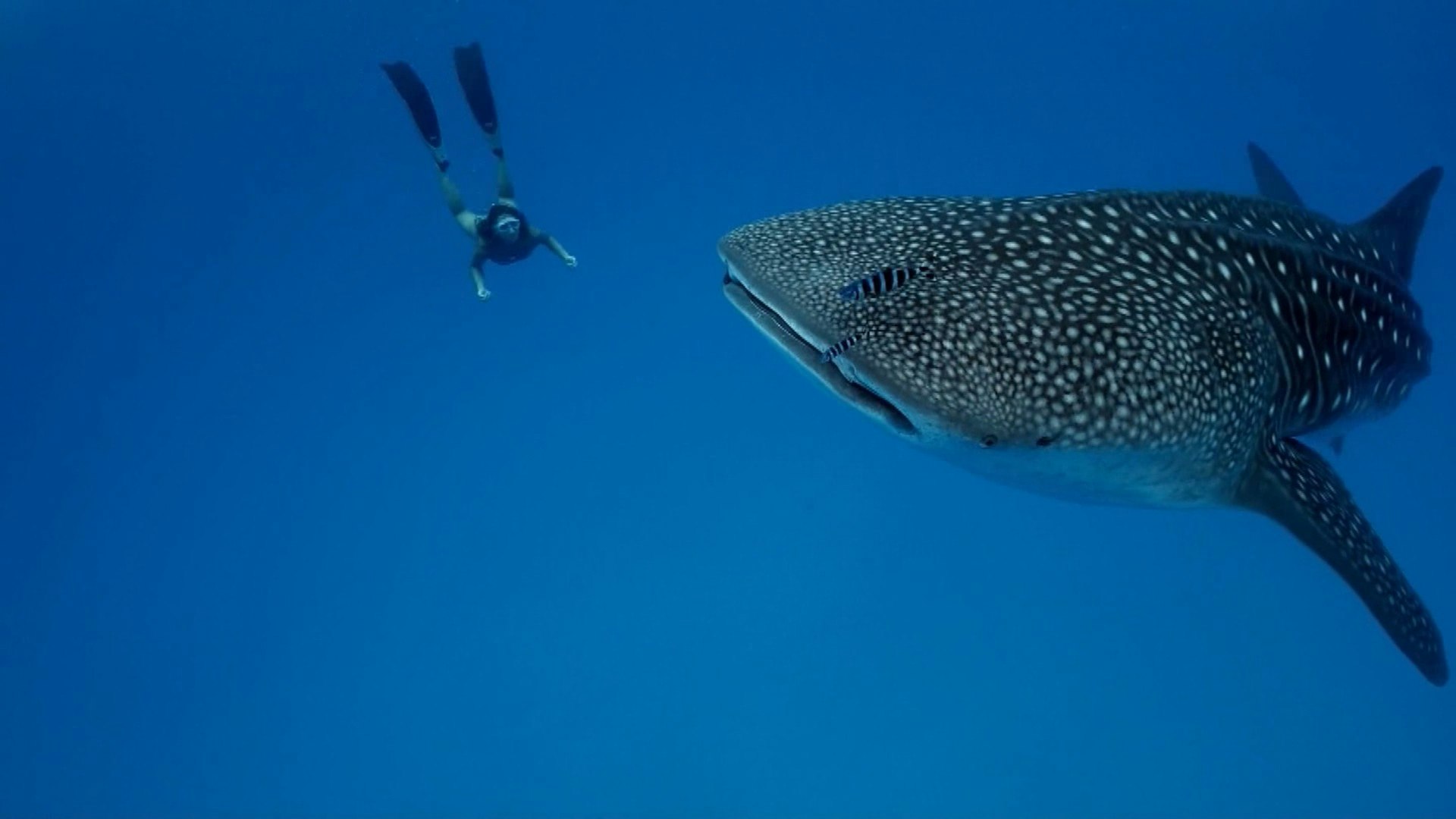
Photo by Oleksandr Sushko
How to Meet a Whale Shark Responsibly
Responsible whale shark encounters follow a few firm rules: keep at least three metres from the shark, never touch it, never block its path, and let the animal decide how close the meeting gets. Choose operators that brief their guests and limit how many people enter the water at once.
Whale sharks at the bagans are used to boats and swimmers, but they are still wild animals that can grow past ten metres. Slow, calm movement keeps the encounter relaxed for everyone. Skip the flash when taking photos, and stay clear of the tail, which can knock a swimmer aside without the shark ever noticing. A good guide will position the group so the shark can feed undisturbed. If an operator promises you can ride or touch a shark, book elsewhere. The best encounters happen when the shark forgets you are there.
Whale Sharks in Indonesia: FAQ
Where is the best place to see whale sharks in Indonesia?
Cenderawasih Bay in West Papua is the most reliable spot because its whale sharks are resident year-round. Saleh Bay off Sumbawa is the most accessible, with common morning sightings and easy connections from Lombok.
Are whale sharks dangerous?
No. Whale sharks are filter feeders that eat plankton and small baitfish. They pose no threat to swimmers, though their size and tail demand respectful distance.
Do you dive or snorkel with whale sharks in Indonesia?
Most encounters at the bagan platforms happen snorkeling, since the sharks feed at the surface. Some operators offer a scuba option on nearby reefs for divers who want to watch from below.
Is there a whale shark season in Indonesia?
Not really. Cenderawasih Bay and Saleh Bay host whale sharks all year because the animals feed at fishing platforms rather than migrate. Sea conditions matter more than season.
How big do whale sharks get?
Whale sharks are the largest fish in the sea. Adults commonly reach 8–12 metres, and the animals around Indonesia's bagans are often young males in that range or smaller.
Where to Book Your Whale Shark Trip
Most whale shark itineraries start from Indonesia's main diving hubs before heading east or north. Pure Dive Resort on Nusa Penida, Adventure Scuba Diving Bali and Blue Marlin Lombok Kuta are strong bases for building a wider trip, and Lombok puts you a short hop from Saleh Bay's morning encounters. Browse more operators on our dive centers directory or explore individual dive sites to plan the rest of your route.

Where to book your dive trip?

Find certified PADI, SSI, and RAID schools across Asia. Your guide to the world’s most unforgettable dive spots.