Triton Bay Diving Guide: Soft Coral Heaven in Kaimana
Triton Bay sits in one of Indonesia's richest and least-dived corners of the ocean, tucked inside West Papua's Kaimana Marine Protected Area. Its soft coral reefs and nutrient-rich water pack in giant groupers, walking sharks and even visiting whale sharks. Here's what to know before you dive this remote soft coral paradise.
Indonesia
Guide
Asia

Photo by
lionel mermoz
Triton Bay diving takes you to one of Indonesia's most biodiverse patches of ocean. This remote bay sits inside the Kaimana Marine Protected Area in West Papua, part of the Bird's Head Seascape. Scientists have logged over 1,400 fish species and 500 coral species here, and the bay is famous for soft coral cover that rivals Misool. Expect thick fish life, big animals, and reefs that still feel wild. Divers who make the trip usually come away calling it one of the most underrated dive destinations in Indonesia.
What Makes Triton Bay Diving Different
Triton Bay diving stands out because of nutrient-rich water flowing off the mainland. That nutrient load lowers visibility on some dives, but it feeds huge amounts of plankton, and plankton feeds fish. The result is soft coral, black coral forests, and healthy sea fans packed with life at every depth. Divers who want big numbers of fish over perfect clear water tend to love it here. Where Raja Ampat and Misool prize clarity, Triton Bay trades some of that clarity for sheer volume of life.
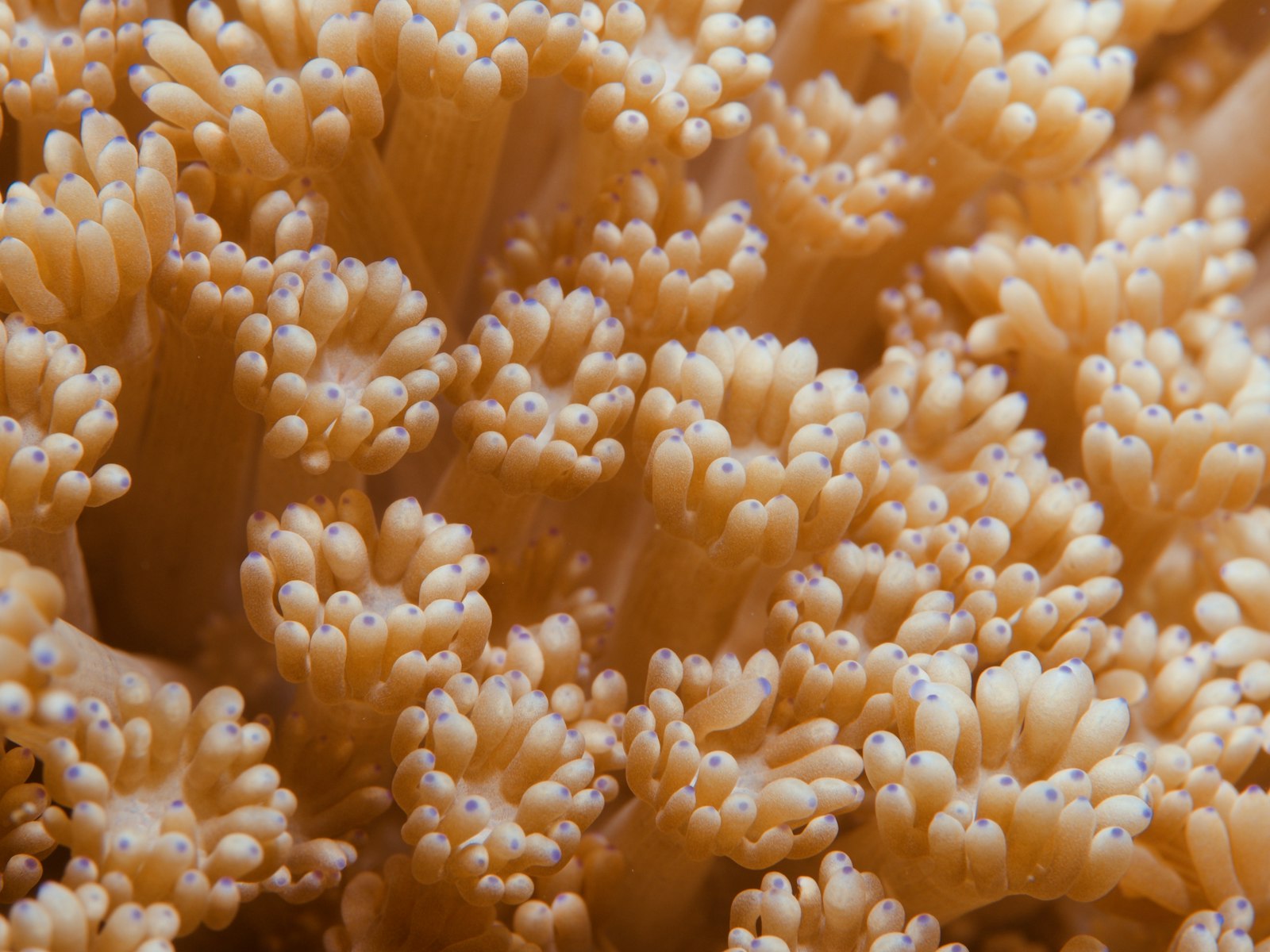
Photo by Ben Ruys
In 2006, Conservation International sent ichthyologist Dr. Gerald Allen to survey the bay. On one dive at a site near Selat Iris, he counted 330 fish species, a world record for a single dive at the time. That survey helped push the creation of the Kaimana Marine Protected Area in 2008, which now protects Triton Bay's reefs from destructive fishing.
Best Triton Bay Dive Sites
Most Triton Bay dive sites sit around Aiduma Island, a short boat ride from the mainland town of Kaimana. Each site has its own character, from soft coral gardens to narrow straits packed with fish.
Little Komodo: Named for its landscape of boulders draped in soft coral, this site holds large schools of sweetlips and snappers weaving between the rocks.
Saruenus: A muck-diving favorite with pygmy seahorses, mantis shrimp, and wobbegong sharks resting on the sandy bottom.
Christmas Rock: A small island south of Aiduma covered in black coral and soft coral bommies, with schools of snapper and surgeonfish circling the reef.
Pintu Arus and Bo's Rainbow: Current-swept channels where fish life stacks up in the water column, a good match for divers who enjoy drift dives.
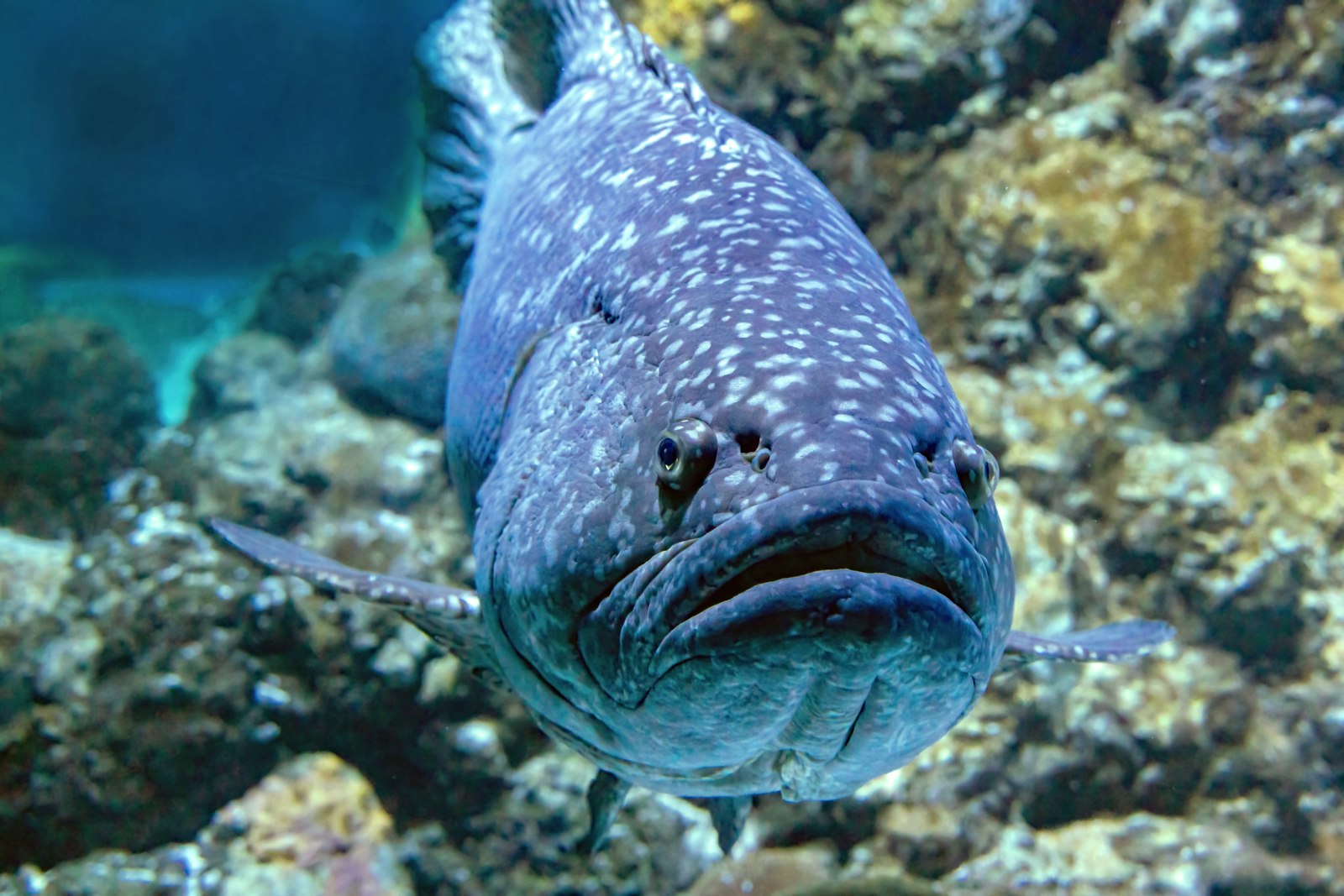
Photo by David Clode
Marine Life You Can Find in Triton Bay
Triton Bay's marine life ranges from tiny critters to open-water giants. Reefs hold giant groupers, Napoleon wrasse, and schools of barracuda and jacks moving over the coral. Sharp-eyed divers can spot pygmy seahorses tucked into sea fans and walking sharks using their fins to shuffle across the reef at night. One of these, the Triton epaulette shark, is found only in the waters around Triton Bay and Kaimana. It rests on the reef by day and walks along the seabed on its fins after dark, hunting small invertebrates in the sand.

Photo by David Clode
Whale sharks also visit the area. They gather near traditional bagan fishing platforms in Kaimana's waters, drawn in by baitfish caught in the nets below. Sightings are not guaranteed, but divers who plan a trip around bagan visits have a real shot at swimming with one.
Triton Bay's Marine Protected Area
The Kaimana Marine Protected Area covers Triton Bay and the surrounding coastline, and it exists because of what that 2006 survey found. Local communities and conservation groups worked together to set boundaries that limit destructive fishing methods while still allowing traditional fishing to continue. The bagan platforms that draw in whale sharks are part of that traditional fishing activity, which is one reason the sharks keep coming back season after season.
Because the marine protected area is still young compared to Komodo or Bunaken, parts of Triton Bay remain lightly surveyed. New dive sites get found most years, and some reef sections have barely been dived at all. That mix of protection and remoteness is a big part of why the reefs still look the way they do.
Best Time to Dive Triton Bay
The best season for Triton Bay diving runs from October to June, when seas stay calmer and conditions are more predictable. Outside that window, wind and swell can make the crossing from Kaimana rougher and limit which sites are diveable. Visibility varies by site and season because of the bay's nutrient-rich water, so expect it to change from dive to dive rather than settle into one steady number.
Getting to Triton Bay
Getting to Triton Bay starts with a flight to Kaimana (airport code KNG), usually connecting through Jakarta or Sorong. From Kaimana, dive operators run a boat transfer to the Aiduma Island area, where the resident dive resort and most liveaboards base their diving. The crossing takes roughly 90 minutes by speedboat, or longer for larger liveaboard vessels covering the same stretch of water.
Once you reach Aiduma, you generally choose between two ways to dive. A land-based resort puts you in one spot and runs day boats out to nearby sites, which suits divers who prefer a fixed base and a slower pace. A liveaboard covers more ground, often linking Triton Bay with the Banda Sea or Raja Ampat on the same itinerary, which suits divers who want to see several regions in one trip.
Because of this remote setup, most divers visit Triton Bay as part of a longer West Papua trip, often pairing it with time in Raja Ampat or a stop at Cenderawasih Bay. Liveaboards that run Banda Sea or Raja Ampat routes sometimes add Triton Bay as an extension for divers with extra days.
Triton Bay Diving FAQ
Is Triton Bay good for beginner divers?
Triton Bay suits divers with some open water experience. Currents at sites like Pintu Arus can be strong, and reduced visibility in nutrient-rich water calls for comfort with limited sightlines.
How does Triton Bay compare to Raja Ampat?
Triton Bay sits south of Raja Ampat and shares its soft coral cover and karst scenery, but sees far fewer visitors. Raja Ampat has more dive operators and easier logistics, while Triton Bay stays remote and less crowded.
Can you see whale sharks in Triton Bay?
Yes, whale sharks visit bagan fishing platforms in Kaimana's waters to feed on baitfish. Sightings depend on the bagans being active during your visit, so ask your operator about current conditions.
Do you need a liveaboard to dive Triton Bay?
No. A land-based dive resort operates on Aiduma Island, though many divers reach Triton Bay on a liveaboard that also covers Raja Ampat or the Banda Sea.
What is the water visibility like in Triton Bay?
Visibility is lower than in Raja Ampat or Misool because nutrient-rich water feeds the reef. In exchange, divers see thicker fish life and healthier soft coral growth.
Where to Book Your Triton Bay Dive Trip
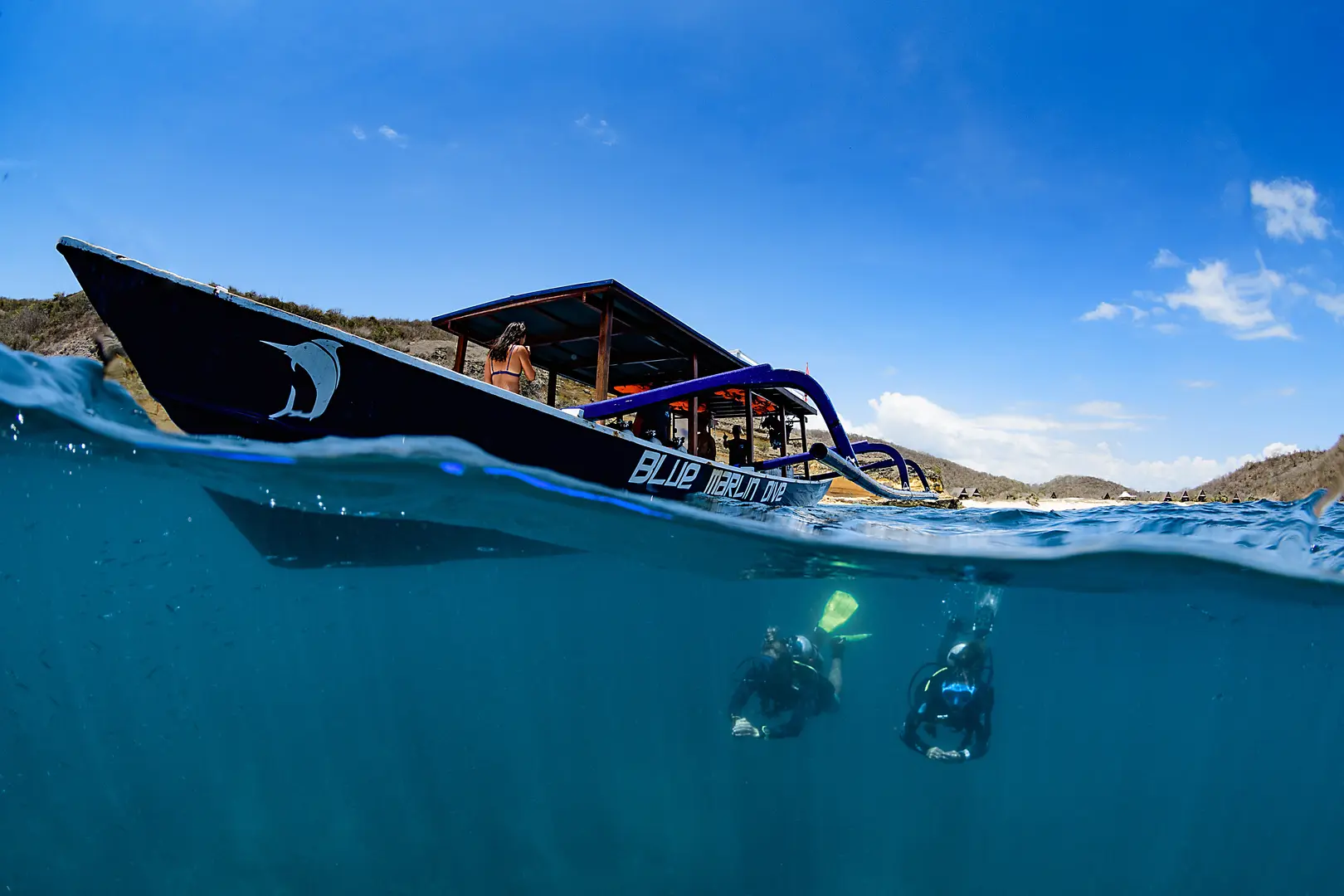
Triton Bay stays remote, so most trips run through a dive resort or a liveaboard built around West Papua and the Banda Sea. If you are planning the rest of your Indonesia trip around this leg, Blue Marlin Lombok Kuta, Adventure Scuba Diving Bali, and Adventure Divers Lombok can help book the wider Indonesia legs of your trip and point you toward trusted Triton Bay operators. Browse our dive center directory or check dive sites across Indonesia to plan the rest of your itinerary.


Where to book your dive trip?

Find certified PADI, SSI, and RAID schools across Asia. Your guide to the world’s most unforgettable dive spots.