Cenderawasih Bay: Diving with Whale Sharks in West Papua
Cenderawasih Bay is home to one of Indonesia's most unusual whale shark encounters. In this remote corner of West Papua, resident whale sharks gather beside traditional fishing platforms, drawn by baitfish rather than a seasonal migration. Here's what to know before you go.
Indonesia
Guide
Asia

Photo by
Sebastian Pena Lambarri
Cenderawasih Bay in West Papua is one of the few places on earth where you can meet a whale shark without waiting for a migration season. The bay sits inside Teluk Cenderawasih National Park, Indonesia's largest marine protected area, and its whale sharks stay resident here year-round instead of passing through. They gather beside traditional fishing platforms called bagan, drawn by baitfish that leak from the nets below. For anyone chasing an encounter with the ocean's biggest fish, Cenderawasih Bay diving offers one of the most dependable whale shark meetings in Indonesia, in a part of the country few divers ever reach. This guide covers how the whale shark encounters work, what else lives in the bay, and how to actually get there.
What Makes Cenderawasih Bay Whale Shark Diving Different
Most whale shark hotspots depend on a plankton bloom or a migration route, so sightings come and go with the season. Cenderawasih Bay works differently. Its whale sharks stay close to the bay's bagan platforms all year, feeding on baitfish that fishermen release from their nets, which is why local guides can find them on most days rather than a few weeks a year.
A bagan is a raised wooden platform anchored in open water, built for lift-net fishing. Over years of contact, the whale sharks in Cenderawasih Bay have learned to associate the platforms with an easy meal. They hang near the surface waiting for baitfish, which is what lets boats bring divers and snorkelers close without a long search. Teluk Cenderawasih National Park protects roughly 1.4 million hectares of sea around the bay, making it Indonesia's largest marine park and a rare stretch of Papua's coast with formal protection. That scale and remoteness are exactly why the whale sharks here have stayed undisturbed long enough to settle into a routine around the bagans.
Meeting the Whale Sharks at the Bagans
Encounters happen in the water right beside a bagan platform. Fishermen scoop baitfish from their nets and toss handfuls into the sea, and the whale sharks rise from below to feed near the surface. Most operators run this as a snorkel or free-dive experience rather than a scuba dive, since the sharks stay shallow and the interaction moves fast.
Guides brief every group before entering the water: keep a respectful distance, never touch the shark, and stay clear of its mouth and tail. The sharks are calm around people after years near the bagans, but they are still wild animals many meters long, so slow movements matter. Because the action happens at the surface, a mask, snorkel and fins are usually all you need. Some liveaboards also offer a scuba option on the reef slope near the platform for divers who want to watch from below.

Photo by Cameron Armstrong
Beyond the Whale Sharks: Reefs and the Cenderawasih Walking Shark
Cenderawasih Bay diving is not only about whale sharks. The bay's isolation has kept its reefs lightly dived, and it is home to a species found nowhere else on earth: the Cenderawasih walking shark, a small epaulette shark that uses its fins to crawl across the reef at night instead of swimming.
This walking shark, described by scientists in 2008, grows to less than a meter and poses no danger to divers. It hunts small invertebrates in shallow water after dark, which makes a night dive here worth planning if your schedule allows it. Away from the bagans, the bay's coral slopes see far less traffic than Bali or Raja Ampat, so expect healthy hard coral and the usual reef fish life of Indonesia's Coral Triangle waters, without the crowds.
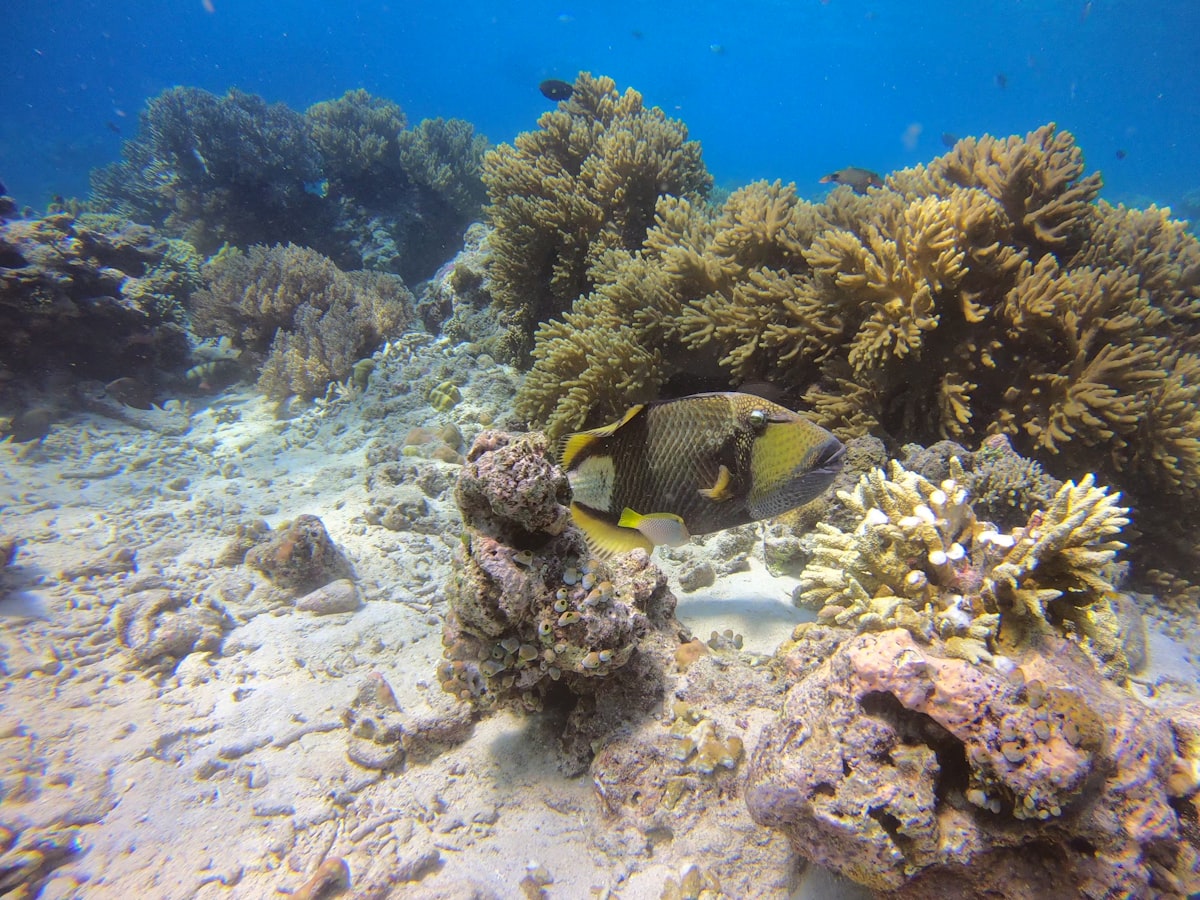
Photo by Narno Beats
When to Dive Cenderawasih Bay
Because the whale sharks are resident rather than seasonal, Cenderawasih Bay can be dived at any time of year with a reasonable chance of a sighting. The bigger factor to plan around is sea conditions, since the bay is exposed and reached by open-water boat transfer rather than a sheltered harbor.
Ask your dive operator about current conditions before you book, and build a few spare days into your trip. Papua's remote seas can turn rough with little warning, and boat transfers to Kwatisore or between liveaboard stops depend on calm weather to run on schedule. Most visitors combine the whale shark encounter with several days of reef diving or a wider Papua itinerary, since getting this far east is not a trip you repeat casually.
Getting to Cenderawasih Bay
Cenderawasih Bay is reached through Nabire, a small town on the bay's southern shore. Fly into Nabire from Jakarta, Makassar, or Biak, then take a boat transfer to Kwatisore, the main hub for whale shark encounters, or join a liveaboard that includes the bay on its route.
Land-based trips out of Nabire suit divers who only want the whale shark encounter and a few days of reef diving. Liveaboards that combine Cenderawasih Bay with Raja Ampat or the Bird's Head Seascape suit divers with more time, since flight schedules into Papua are limited and worth building a trip around rather than rushing. Domestic connections in and out of Nabire are not frequent, so leave a buffer day on either end in case a flight shifts.
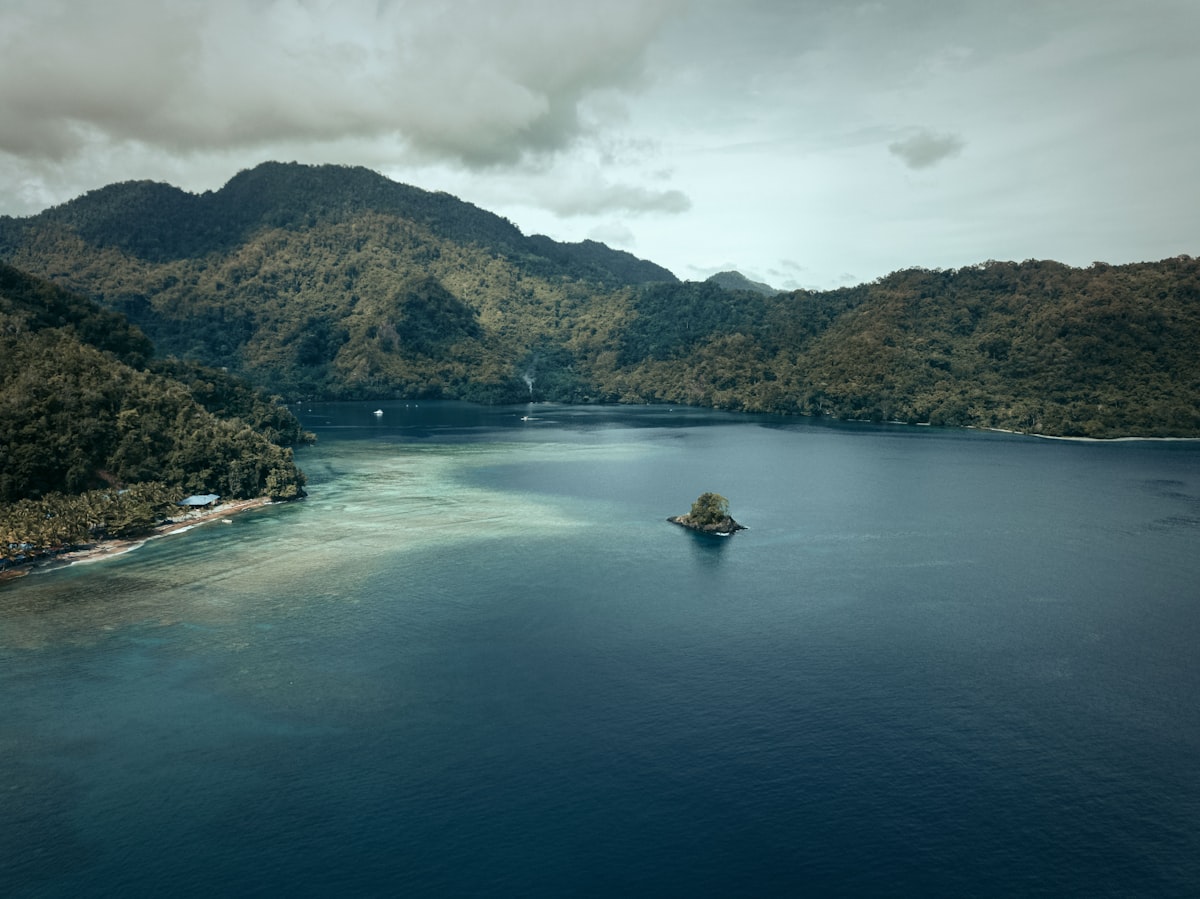
Photo by Asso Myron
Cenderawasih Bay Whale Shark Diving: FAQ
Are the whale sharks in Cenderawasih Bay always there?
Yes. Unlike migratory whale shark sites, Cenderawasih's sharks are resident and stay close to the bagan platforms through the year, so sightings are not limited to a single season.
Do you scuba dive or snorkel with the whale sharks?
Most encounters happen snorkeling at the surface beside the bagan platforms, where the sharks feed on baitfish in shallow water rather than on a deep reef.
How do you get to Cenderawasih Bay?
Fly to Nabire through Jakarta, Makassar, or Biak, then transfer by boat to Kwatisore, or join a liveaboard that includes the bay on its itinerary.
What else can you see diving in Cenderawasih Bay?
The bay's isolated reefs are lightly dived and home to the Cenderawasih walking shark, a small epaulette shark species found only in this bay.
Is Cenderawasih Bay part of a national park?
Yes. The bay lies inside Teluk Cenderawasih National Park, Indonesia's largest marine protected area at around 1.4 million hectares.
Where to Book Your Cenderawasih Bay Trip
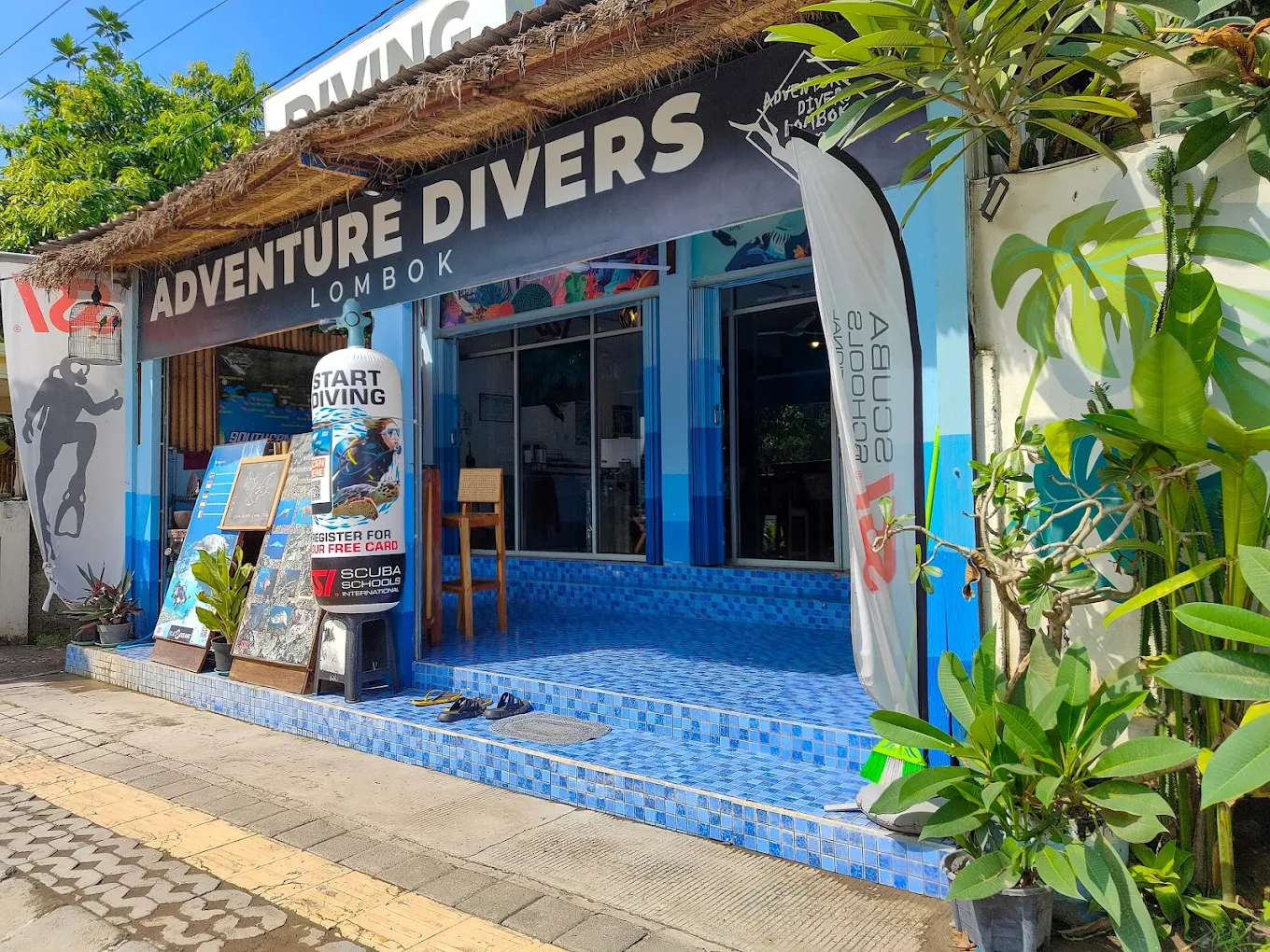
Cenderawasih Bay sits far outside Indonesia's usual dive circuit, so most trips start by connecting through Bali or Lombok first. If you are building a wider Indonesia itinerary around a Cenderawasih Bay trip, Adventure Scuba Diving Bali, Blue Marlin Lombok Kuta and Adventure Divers Lombok are solid stops on the way through. Browse more options on our dive centers directory or check individual dive sites pages to plan your route.
For more remote Indonesia diving in the same spirit, read our Pulau Weh diving guide, another remote Indonesian dive spot known for whale shark encounters, or our Raja Ampat liveaboard vs resort guide for planning a wider West Papua trip. Check our best time to dive Indonesia guide before you book flights.


Where to book your dive trip?

Find certified PADI, SSI, and RAID schools across Asia. Your guide to the world’s most unforgettable dive spots.