Raja Ampat Liveaboard vs Resort: Which Is Right for You?
A Raja Ampat liveaboard moves between remote dive regions while you sleep. A resort keeps you in one place with day boats to nearby reefs.
Here is how the two compare on cost, dive sites, schedule and comfort, so you can pick the trip that fits how you like to travel.
Indonesia
Guide
Asia

Photo by
Johnny Africa
Choosing between a Raja Ampat liveaboard and a resort is the first big decision for any trip to this part of Indonesia. Both put you in the water among some of the richest reefs on earth, but they get you there in very different ways. A liveaboard moves overnight between remote dive sites across Raja Ampat's islands. A resort keeps you in one place and runs day boats out to nearby reefs. This guide breaks down what each option actually feels like, what it costs, and which sites you can reach, so you can pick the trip that fits your time, budget and diving goals.
Raja Ampat Liveaboard or Resort: What's the Real Difference?
A liveaboard is a boat you sleep on. It cruises between dive regions overnight, so you wake up at a new reef each morning and can reach sites far from any land base. A resort is a fixed camp on one island. You dive from small boats each day, return to the same room and restaurant every night, and stay within range of one area, usually the Dampier Strait.
What a Raja Ampat Liveaboard Trip Is Like
Most Raja Ampat liveaboards run 7 to 12 day trips on a traditional wooden phinisi, carrying 10 to 16 guests. The boat moves at night, so your dive sites change through the trip instead of staying fixed. A typical day has three or four dives, briefings on the sundeck, and long stretches of open water between islands with no phone signal.
The main appeal is range. A liveaboard can cover the Dampier Strait, Misool and the Fam Islands on one itinerary, something a land-based resort cannot do. The trade-off is a fixed schedule. You commit to the whole route in advance, share the boat with the same group for the entire trip, and cannot skip a day if you want a rest.
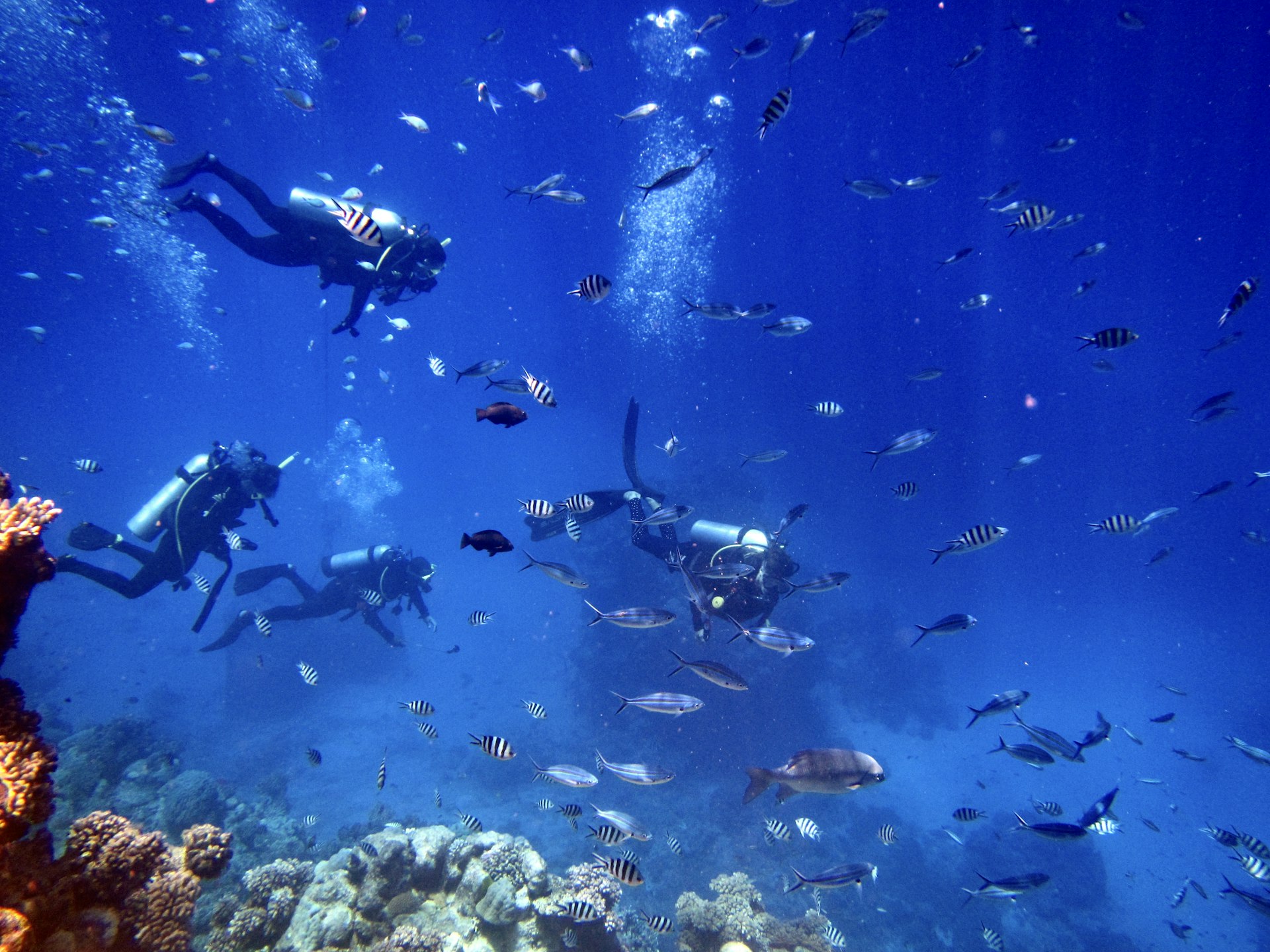
Photo by Nuraini Arsad
What a Raja Ampat Dive Resort Trip Is Like
A resort stay puts you on solid ground, usually on Kri, Mansuar or a nearby island in the Dampier Strait. You dive twice or three times a day from a small boat, then come back to a room, a real bed and a fixed dinner time. Days off are easy since nothing forces you to keep moving.
Resorts suit divers who want comfort, a slower pace or a mixed trip with a non-diving partner. Many also run their own dive courses, so a resort works well if you want to combine certification with holiday time. The limit is geography. You only dive the sites your boat can reach in a day, which for most Dampier Strait resorts means missing Misool entirely.

Photo by SnapSaga
Which Dive Sites You Can Reach From Each Option
Resorts based in the Dampier Strait give you daily access to sites like Cape Kri, known for a record fish count of 374 species logged on a single dive by biologist Gerald Allen, plus manta cleaning stations and current-swept reefs close to shore. These sites are diveable most of the year, which is why resorts cluster here.
A liveaboard adds Misool and the Fam Islands to that list. Misool's soft coral walls and shark-rich seamounts are usually only open from October to April, when seas are calm enough for the crossing from Sorong. If Misool is on your list, check that your chosen liveaboard actually sails there. Not every itinerary does.
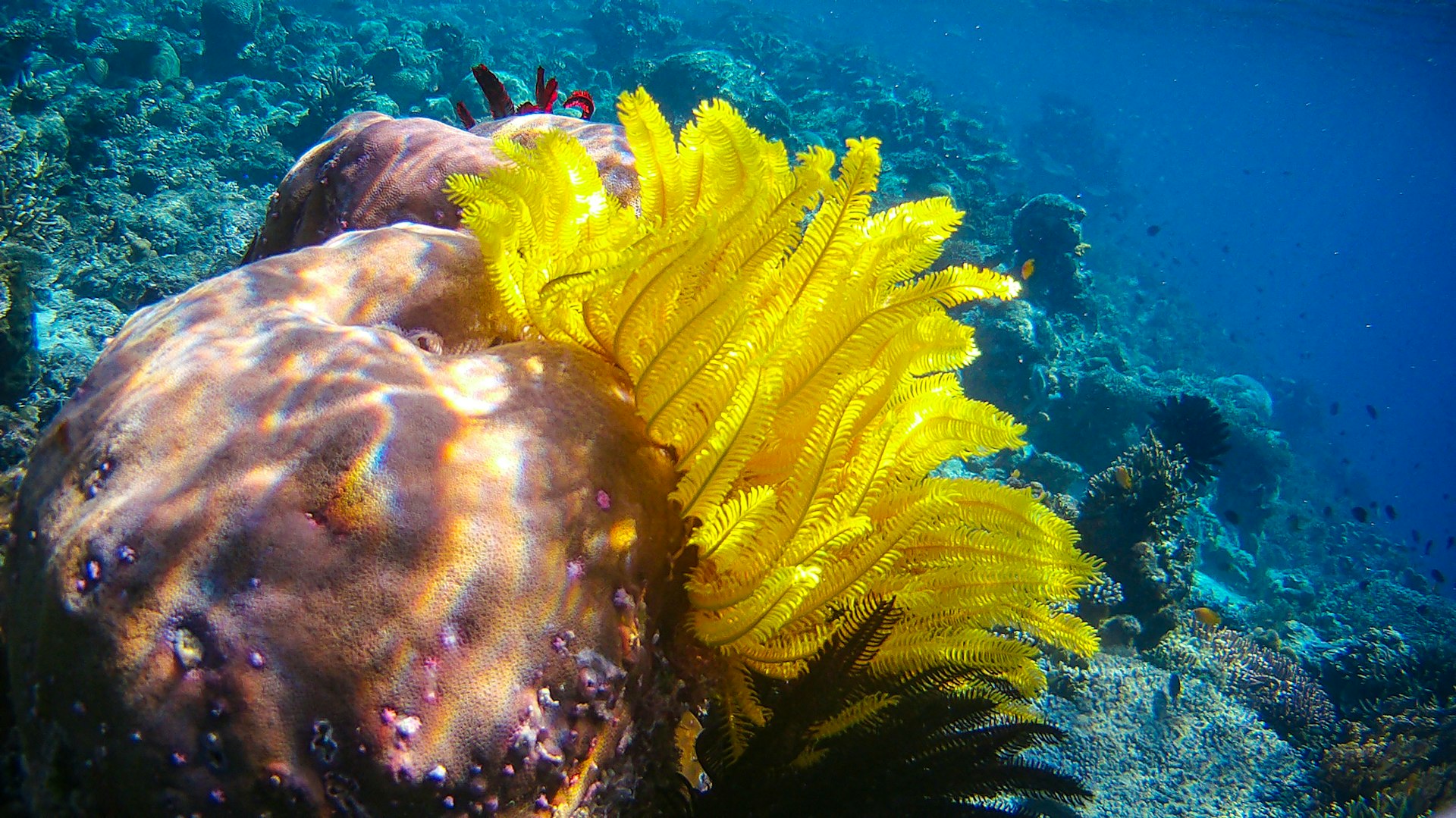
Photo by SnapSaga
Cost Compared: Liveaboard vs Resort in Raja Ampat
Liveaboards charge one price per person for the full trip, covering the cabin, all dives, meals and transfers between dive sites. That price is usually higher per day than a resort room because it includes unlimited diving, a crew, fuel and food for the whole route.
Resorts price accommodation and diving separately, so costs scale with how many dives you actually book. This makes a resort the more flexible budget option, especially for a shorter stay or a trip mixed with rest days. A liveaboard makes more financial sense if diving every possible site is the whole point of the trip.
Getting There and Practical Logistics
Both options start the same way. You fly to Sorong in West Papua, usually via Jakarta or Makassar, and most divers arrive a day early to absorb any flight delays. Liveaboards board in Sorong harbour. Resort guests continue by ferry or speedboat to Waisai, then transfer to the island.
Every diver in Raja Ampat needs a marine park entry permit, sold on arrival and valid for the calendar year. The fee funds patrols and local conservation work across the marine protected areas. Your liveaboard or resort will normally arrange it as part of your booking, but confirm this before you travel.
Pack for remote conditions either way. There are no dive shops on the smaller islands, so bring spare mask straps, fin clips and any prescription medication you rely on. Cash matters too, since card payment is unreliable outside Sorong.
Which One Should You Choose
Pick a liveaboard if you want to dive as many different regions as possible, including Misool, and don't mind a packed, fixed schedule. Pick a resort if you want comfort, flexibility, the option of rest days, or you're travelling with a non-diving partner. Both routes lead to the same reefs that made Raja Ampat famous. The right choice depends on how you like to travel, not on which option dives "better."
Raja Ampat Liveaboard vs Resort: FAQ
Is a Raja Ampat liveaboard worth it for a first-time visitor?
Yes, if you want to see multiple regions in one trip. First-timers who prefer a slower introduction or want a non-diving partner along often do better starting with a resort in the Dampier Strait.
Can I dive Misool from a resort instead of a liveaboard?
Almost never. Misool sits far south of the main Dampier Strait resorts, and the crossing is too long for a day boat. Reaching it means either a liveaboard or a dedicated resort based in Misool itself.
How many dives can I expect per day on each option?
Liveaboards typically run three to four dives a day. Resorts usually offer two to three, with the option to skip a session and rest.
Do I need advanced certification for a Raja Ampat liveaboard?
Open Water certification covers most itineraries, but Advanced Open Water and comfort with current are strongly recommended, since liveaboard sites include current-swept channels and drift dives.
What is the best time of year for either option?
The Dampier Strait dives well most of the year, so resorts operate year-round. Liveaboards that include Misool generally run from October to April, when that region's seas are calm enough to cross.
Where to Book Your Raja Ampat Dive Trip
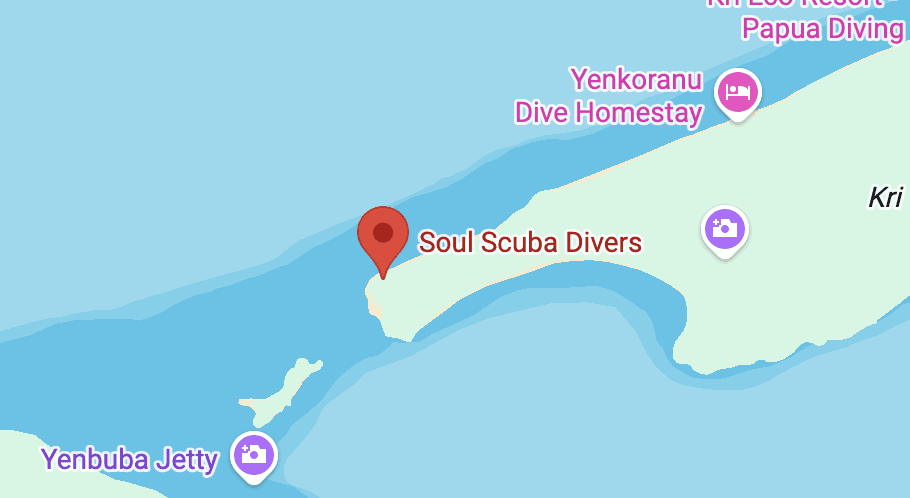
Whichever option you pick, book with an operator that knows the region well. Soul Scuba Divers, Papua Explorers Dive Resort and Meridian Adventure Dive are all established operators in Raja Ampat, covering both resort-based diving and trip planning for the wider region. Browse more options on our dive centers page, or check the dive sites directory to plan your itinerary around specific reefs. For more on the wider region, see our guides to Dampier Strait dive sites and diving Misool.


Where to book your Raja Ampat dive trip?




Find certified PADI, SSI, and RAID schools across Asia. Your guide to the world’s most unforgettable dive spots.