Pulau Weh Diving Guide: Indonesia's Laid-Back Hidden Gem
At the far western tip of Indonesia, off the coast of Aceh in Sumatra, the small volcanic island of Pulau Weh offers something increasingly rare: excellent diving without the crowds.
Think current-swept pinnacles, reefs crowded with moray eels, deep wrecks, and sleepy beach villages where diving still feels like an adventure.
Indonesia
Guide
Asia

Photo by
Sebastian Pena Lambarri
Pulau Weh sits where the Andaman Sea meets the Indian Ocean, just north of Banda Aceh at Indonesia's westernmost point. While the country's famous destinations in Bali, Komodo, and Raja Ampat draw the majority of visiting divers, Weh has quietly built a loyal following among travelers who value uncrowded sites, healthy fish life, and a relaxed island pace that recalls Southeast Asia's backpacker heyday.
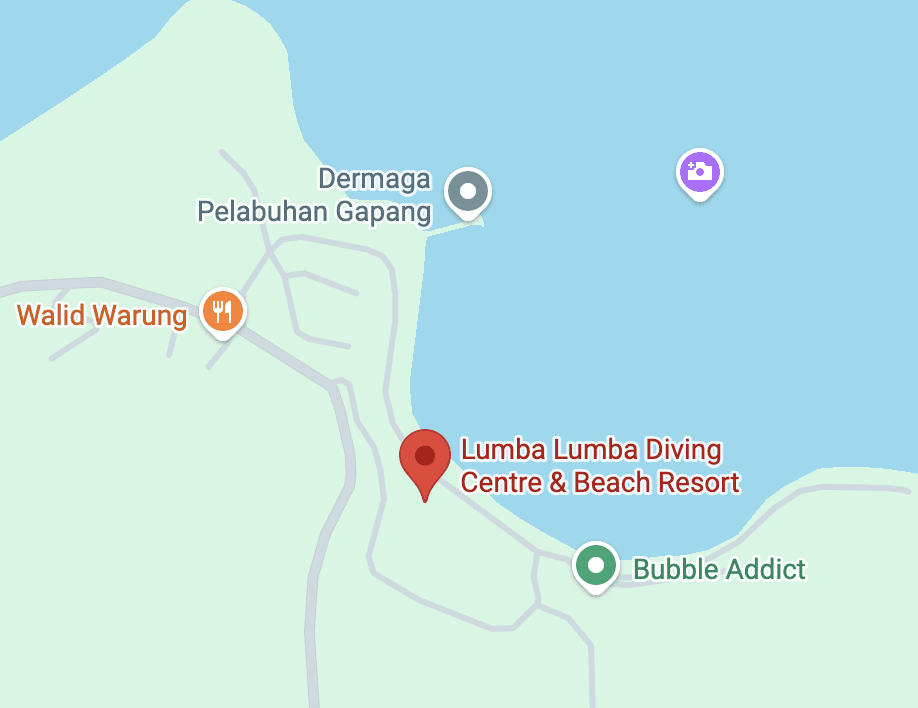
The island's diving scene centers on the beach villages of Iboih and Gapang on the northwest coast, where a handful of dive operators run small boats to sites that are rarely more than twenty minutes away.
What Makes Pulau Weh Special
Weh's underwater landscape is volcanic: sloping boulder fields, deep pinnacles, and reefs swept by the currents funneling around Sumatra's tip. Those currents bring fish, and lots of them. The island is particularly famous for its extraordinary density of moray eels; on some dives you can spot half a dozen species without trying. Schooling barracuda, trevally, batfish, and fusiliers gather at the current points, reef sharks patrol the deeper sites, and Napoleon wrasse and turtles are common companions.
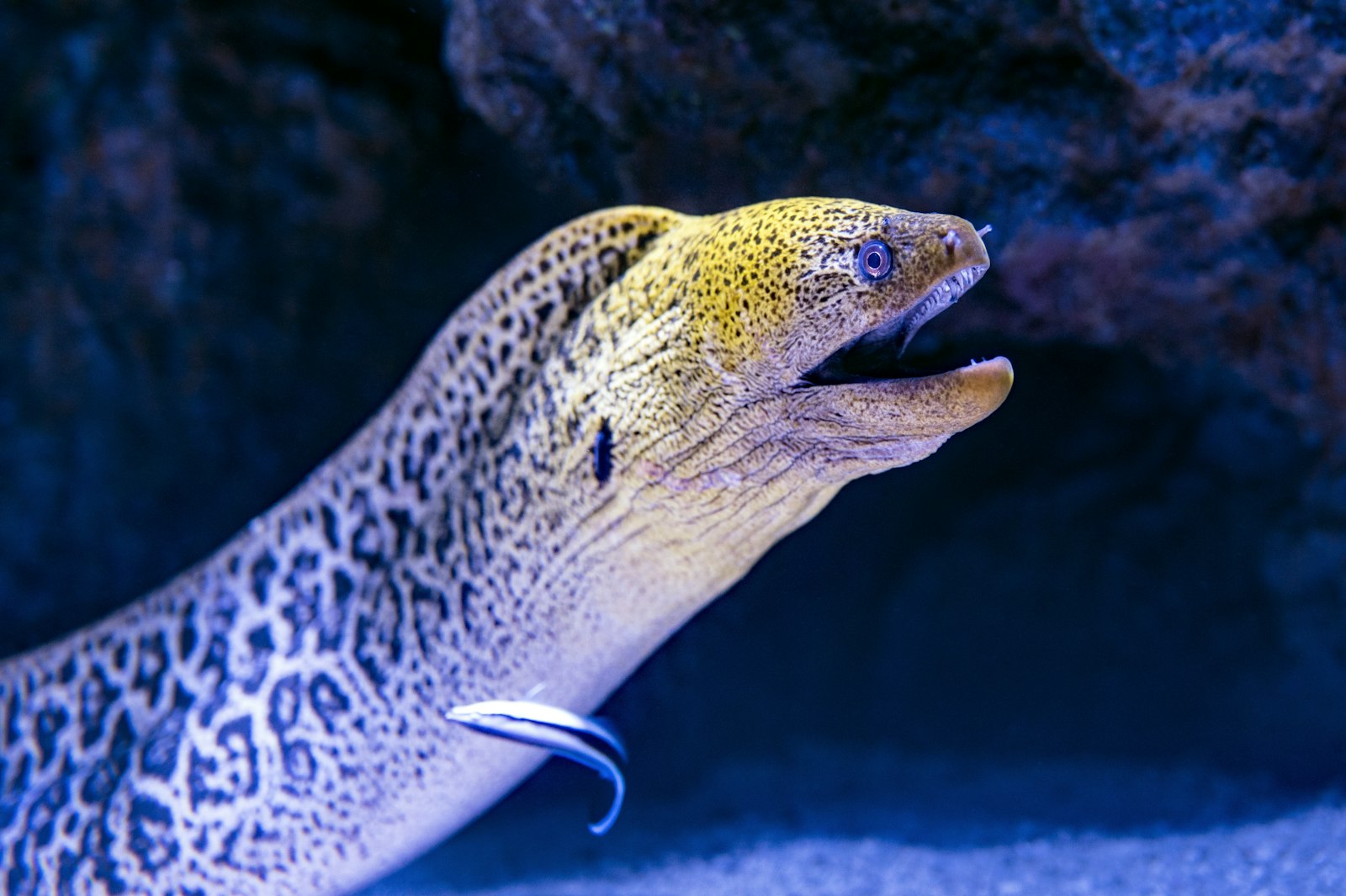
Photo by David Clode
The Best Dive Sites in Pulau Weh
Batee Tokong: The Signature Dive
A short boat ride from Gapang, Batee Tokong is Weh's most celebrated site. A rocky ridge extends into deep water, attracting schooling fish, reef sharks, and the island's trademark morays. When the current runs, the site fires with action.
The Canyon: Dramatic Topography
True to its name, The Canyon channels divers between imposing rock walls and boulder formations in an exhilarating, current-swept dive. Gorgonian fans line the deeper sections and pelagics cruise the edges. This is a site for divers comfortable with current.
Arus Balee: Current Point Action
Between two small islets off Iboih, Arus Balee serves up fast drifts, schooling jacks and barracuda, and frequent shark sightings on the right tide.
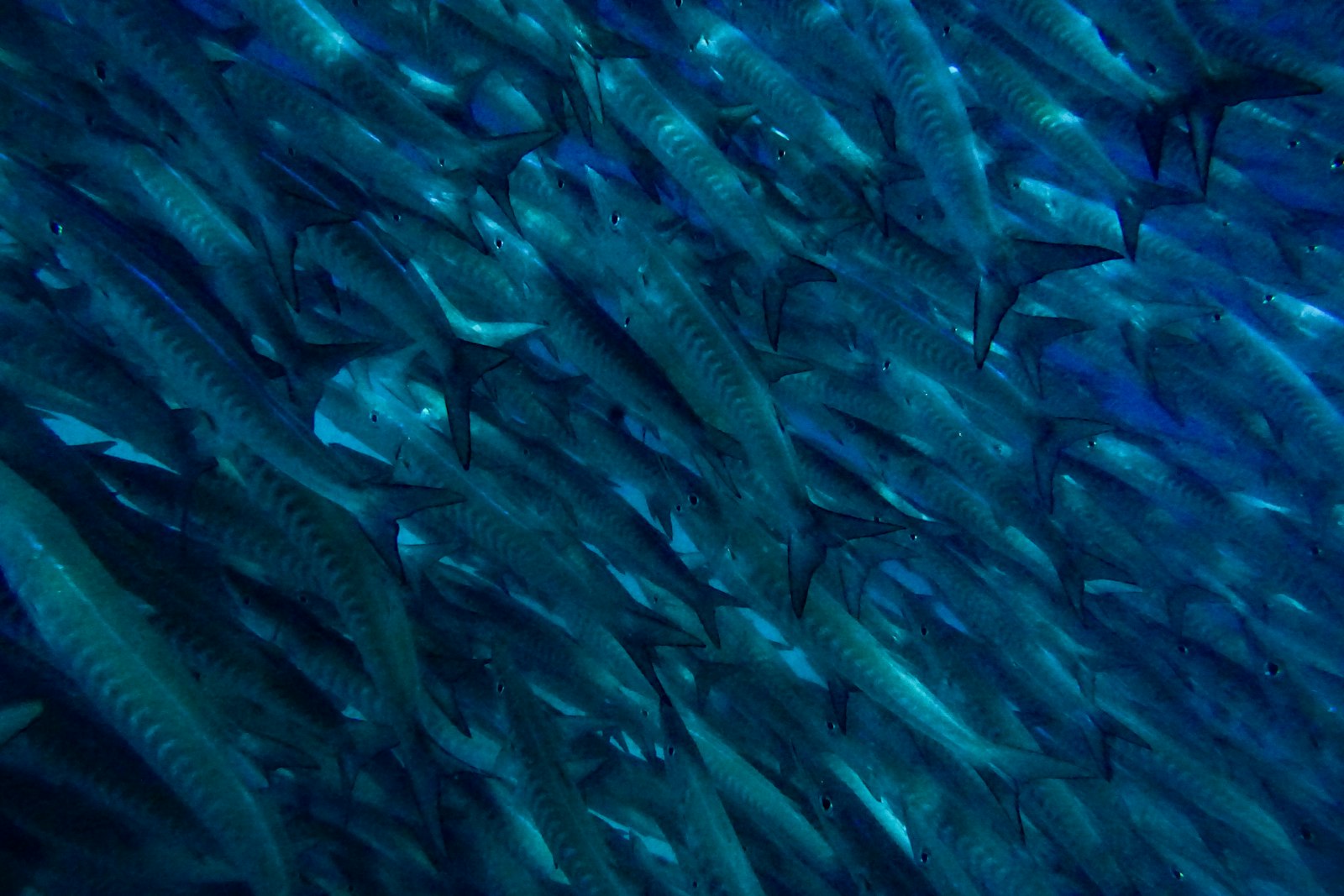
Photo by Anjeanette Guigue
Sophie Rickmers: A Deep Historic Wreck
For technical and experienced deep divers, the Sophie Rickmers is a bucket-list dive: a large German steamship scuttled in 1940, resting beyond 50 meters in Pria Laot Bay. Its depth keeps it pristine and reserves it for suitably trained divers only.
House Reefs and Easy Sites
Sheltered spots around Iboih and Gapang, including relaxed house reefs, make Weh a genuinely good place to learn to dive or ease back in after a break.
Best Time to Dive Pulau Weh
Pulau Weh is a year-round diving destination. Because dive sites ring the island, operators can almost always find sheltered conditions on one coast or another whatever the season. Water temperatures stay warm throughout the year, generally between 28 and 30 degrees Celsius, with occasional cooler thermoclines on the deeper sites. Visibility typically ranges from 15 to 30 meters.
Getting There and Island Life
Fly to Banda Aceh, then take the fast ferry from Ulee Lheue harbor to Sabang on Pulau Weh; the crossing takes under an hour, followed by a scenic 45-minute drive to Iboih or Gapang. Accommodation is mostly simple beach bungalows and guesthouses, and evenings revolve around beachfront dinners and dive-log storytelling. Aceh is a conservative province, so dress modestly outside the beach areas and be mindful of local customs.
Plan Your Trip
Compare dive centers on Scubalo and browse our dive site directory to plan your Pulau Weh adventure. Wondering how Weh fits into a bigger itinerary? Our guide to the best time to dive Indonesia breaks down every major region by season.


Where to book your Pulau Weh dive trip?

Find certified PADI, SSI, and RAID schools across Asia. Your guide to the world’s most unforgettable dive spots.