Derawan Islands Diving: Mantas, Turtles and a Jellyfish Lake
The Derawan Islands sit off the coast of East Kalimantan, in Indonesian Borneo, far from the usual Bali and Komodo dive routes. Four main islands cover manta ray cleaning stations, a jellyfish lake and current-swept channels with big fish. Here is what each island offers and how to plan the trip.
Indonesia
Guide
Asia

Photo by
Sébastien Goldberg
Derawan Islands diving takes you to a remote archipelago off East Kalimantan, on the Indonesian side of Borneo. Thirty plus islands and reefs sit here in shallow water on the continental shelf, far from the usual Bali and Komodo dive routes. Four islands do most of the work: Derawan, Sangalaki, Kakaban and Maratua. Between them you get manta ray cleaning stations, a saltwater lake full of jellyfish, resident green turtles and current-swept channels for bigger fish. This guide covers each island, when to go and how to get there.
Where to Dive in the Derawan Islands
Derawan Islands diving splits across four main islands, each with its own character. Sangalaki is the manta ray and turtle nesting island. Kakaban holds the famous jellyfish lake. Maratua has the strongest currents and the biggest fish. Derawan itself is the easiest base, with resident turtles right off the jetty. Most trips combine two or more islands, either from a shore-based resort or a short liveaboard.
Sangalaki: Manta Rays and the Region's Biggest Turtle Nesting Site
Sangalaki pairs two things divers rarely find on the same island: reliable manta ray cleaning stations and one of the largest green turtle nesting beaches in Indonesia. Reef mantas visit cleaning stations off Sangalaki through the year, drawing divers who want a manta encounter without chasing a narrow season.
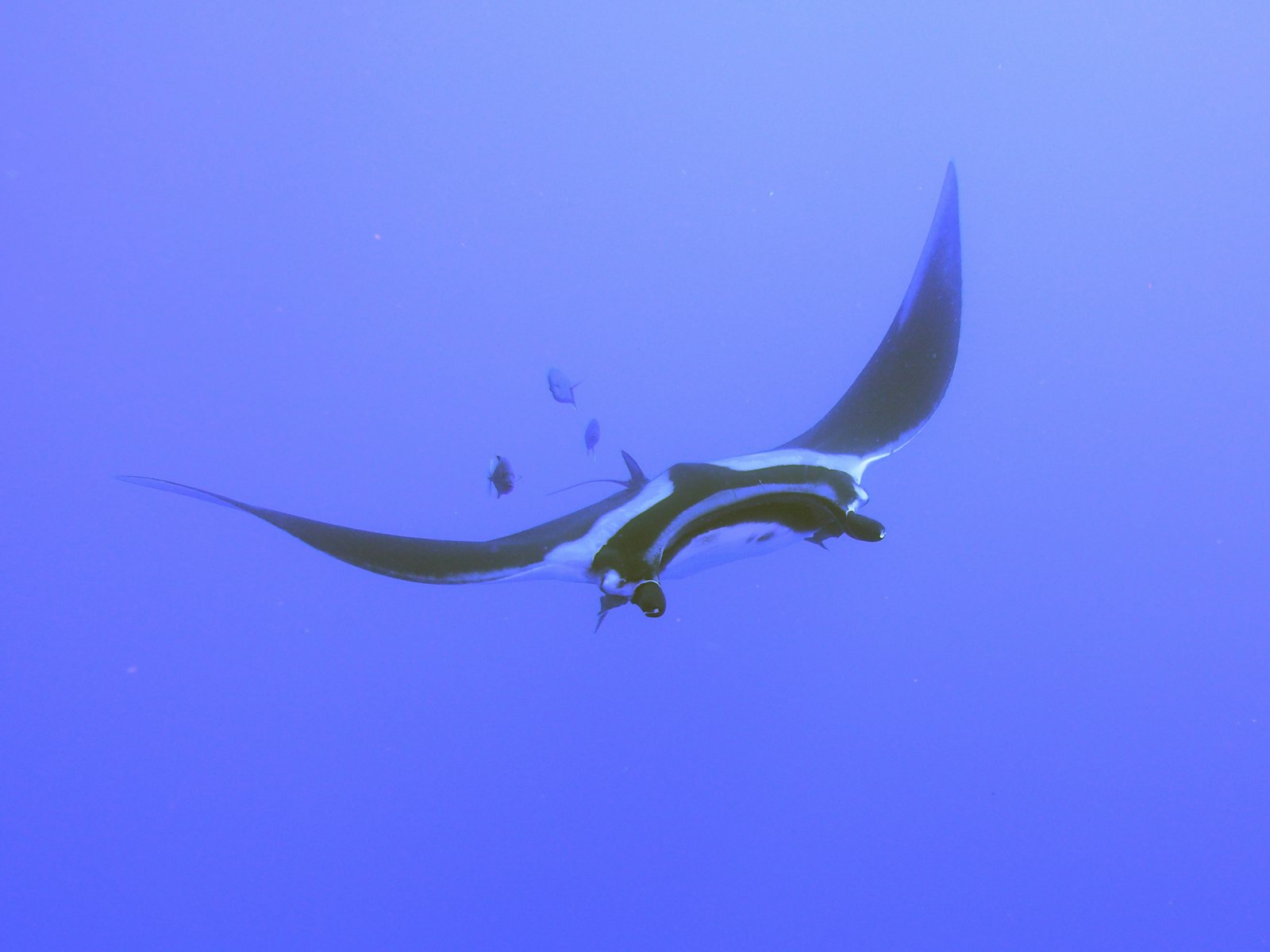
Photo by Swanson Chan
Above the water, Sangalaki matters just as much. The Derawan archipelago holds Indonesia's largest green turtle nesting population, and Sangalaki contributes the biggest single share of those nests. WWF Indonesia and local authorities have protected the island since the early 2000s, when turtle egg harvesting was banned across the archipelago. Night walks to watch nesting turtles are sometimes possible through licensed operators, though access rules change, so confirm current permissions before you plan one in.
Kakaban's Jellyfish Lake: What You Can (and Can't) Do There
Kakaban Island holds a landlocked saltwater lake filled with jellyfish that have lost most of their sting. Millions of years cut off from predators let several species evolve without the need to sting, so a short jungle walk from the boat landing puts you face to face with them in the water.
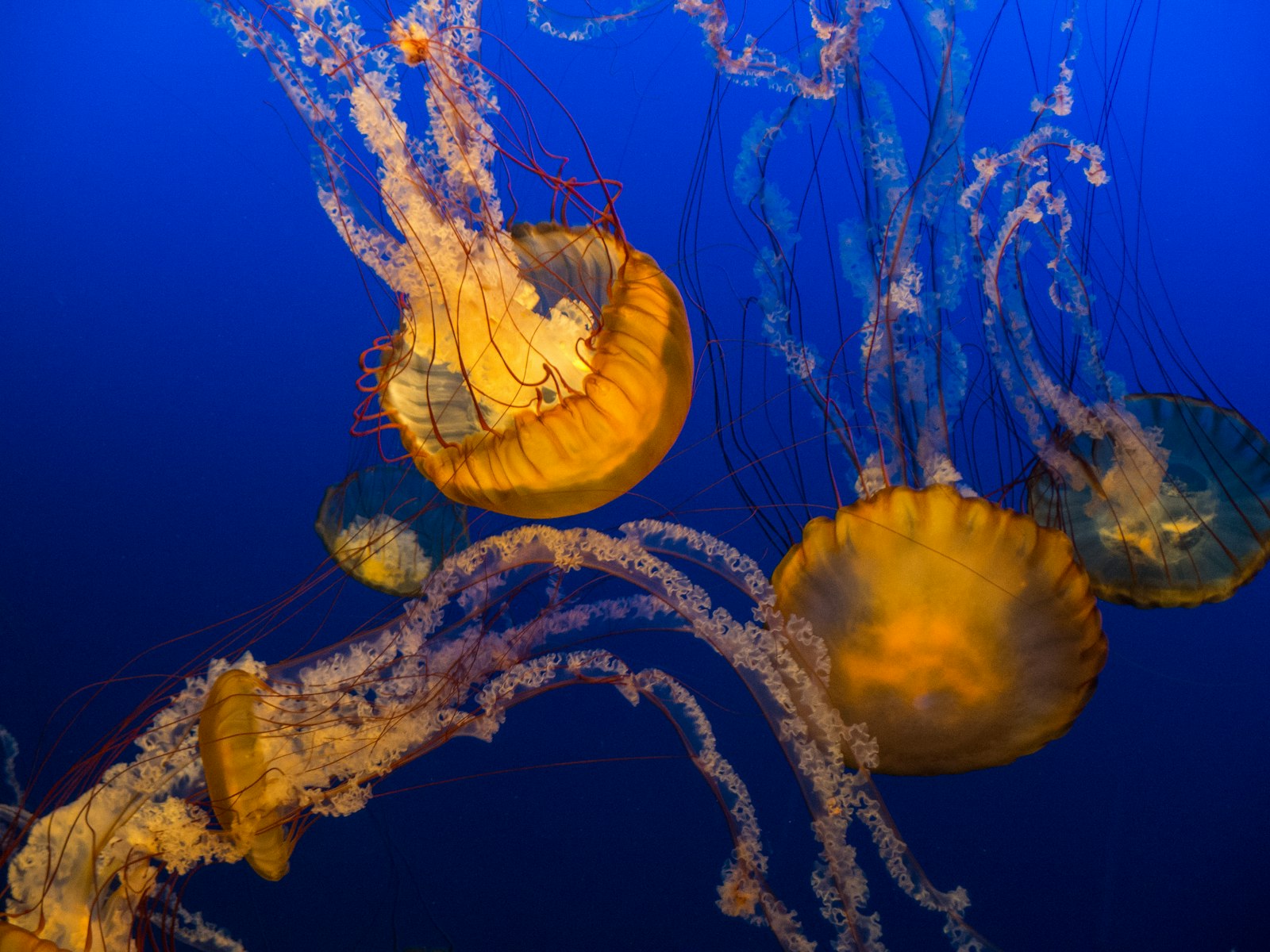
Photo by Andrew Seaman
Four jellyfish species live in the lake: golden jellyfish, moon jellyfish, upside-down jellyfish and a small box jellyfish. Scuba diving has never been allowed here, to protect the jellyfish from bubbles and fin contact. The lake closed entirely in December 2023 after jellyfish numbers dropped sharply, and it reopened in February 2025 with the jellyfish population recovering. Swimming in the lake remains banned for now. Visitors can still walk the boardwalk and view the jellyfish from there, so check the current rules with your operator before you build the visit into your itinerary. Kakaban's outer reef walls are a dive site in their own right, and its sea fans are a good spot to search for pygmy seahorses.
Maratua: Big Fish Country and Channel Diving
Maratua is the pick for divers who want current, structure and big schools of fish over a quiet drift. Its eastern channel, known locally as Big Fish Country, holds one of the largest schools of chevron barracuda you will find anywhere in Southeast Asia.
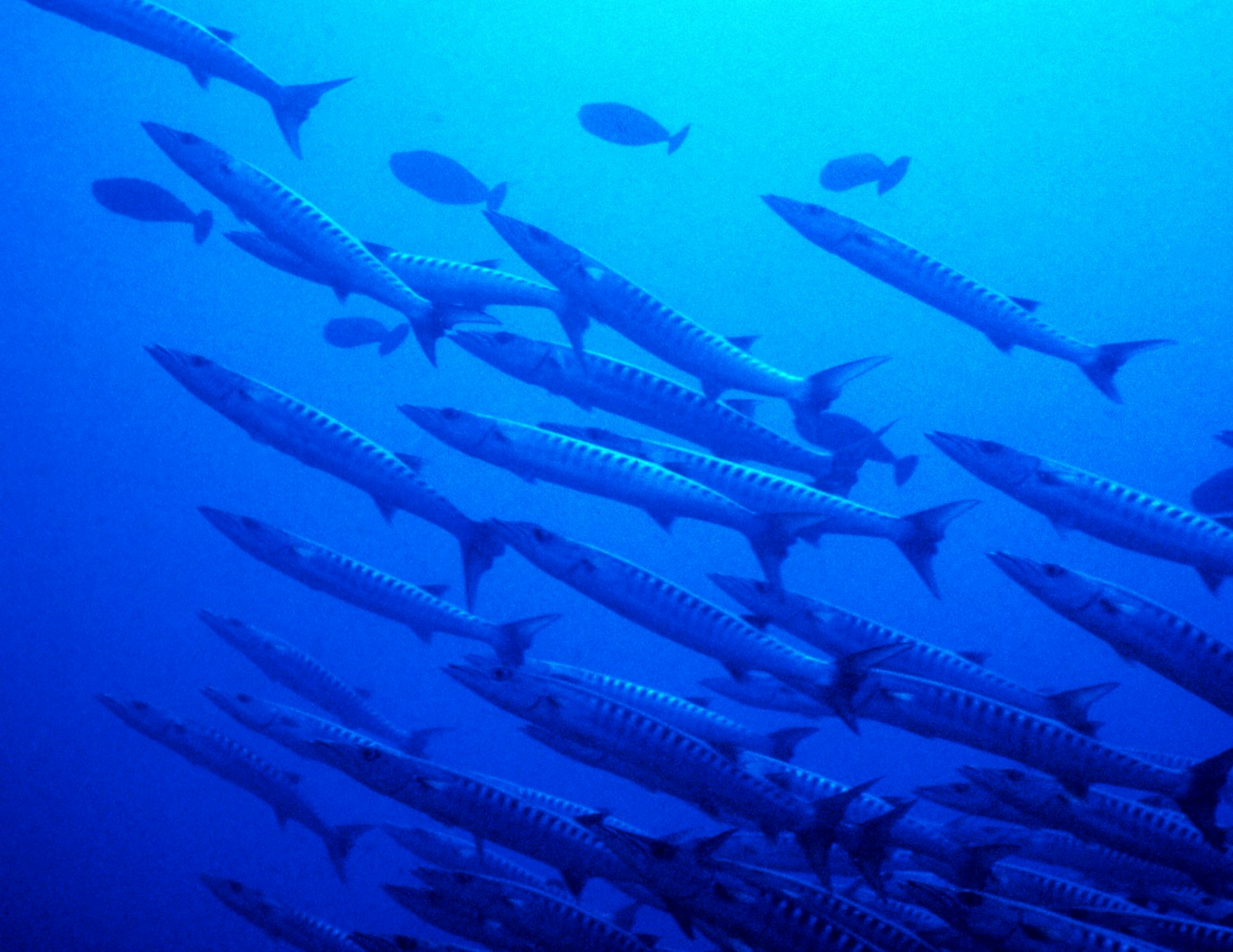
Photo by Alan Emery
Beyond the barracuda, Maratua's walls and channels regularly turn up leopard sharks, grey reef sharks, eagle rays and hunting trevally, with occasional hammerhead and thresher shark sightings on deeper drop-offs. The island also has a couple of muck sites known for mating mandarinfish at dusk. Maratua is home to most of the archipelago's dive resorts, which makes it a practical base if you want to dive Sangalaki and Kakaban as day trips.
Derawan Island: Turtles on Nearly Every Dive
Derawan Island itself is the easiest and most laid-back base for Derawan Islands diving. A resident population of green turtles lives around the island year round, not as seasonal visitors but as permanent residents, so encounters happen on almost every dive.
The house reef under Derawan's main jetty is the standout site. Turtles rest on the sandy bottom between the jetty pylons and are used enough to divers and snorkelers that close, unhurried encounters are common. Overwater bungalow guests regularly watch turtles swim beneath their own balconies. Derawan also has a handful of muck-diving spots for those who want a break from big animal encounters.
When to Dive the Derawan Islands
The best window for Derawan Islands diving runs from June to August, when seas are calmest and visibility is at its best. Water temperature sits between 28°C and 30°C year round, and visibility typically runs from 10 to 30 metres depending on the site and the season. Because the archipelago sits close to the equator, conditions are less seasonal than in southern Indonesia, but the June to August stretch still gives you the best odds of calm crossings between islands.
How to Get to the Derawan Islands
Reaching the Derawan Islands takes more planning than Bali or Lombok. Fly into Kalimarau Airport in Berau, East Kalimantan, connecting through Balikpapan, Makassar or Jakarta. From the airport, a short taxi ride reaches the boat harbor at Tanjung Redeb. Speedboats run from there to Derawan Island itself, a crossing of around two hours. Onward transport to Sangalaki, Kakaban and Maratua runs by local boat from Derawan or directly from Tanjung Redeb, depending on your resort's arrangements. Build in a buffer day either side of your trip in case of delayed connections.
Derawan Islands Diving FAQs
Can you still swim in Kakaban's jellyfish lake?
No. The lake reopened in February 2025 after a closure to protect the recovering jellyfish population, but swimming remains banned. Visitors can view the jellyfish from the boardwalk. Scuba diving in the lake has never been allowed.
Are manta ray sightings guaranteed at Sangalaki?
No sighting is ever guaranteed, but Sangalaki's cleaning stations see reef manta visits through the year, which makes it one of the more reliable manta sites in Indonesia.
Is Maratua diving suitable for beginners?
Some Maratua sites carry strong current and suit divers with channel or drift experience. Ask your dive center to match sites to your comfort level, since conditions vary across the island.
How do I get from Bali to the Derawan Islands?
There is no direct route. Most divers fly from Bali to Balikpapan or Jakarta first, then connect to Kalimarau Airport in Berau, before taking a taxi and speedboat on to the islands.
Where to Book Your Dive Trip
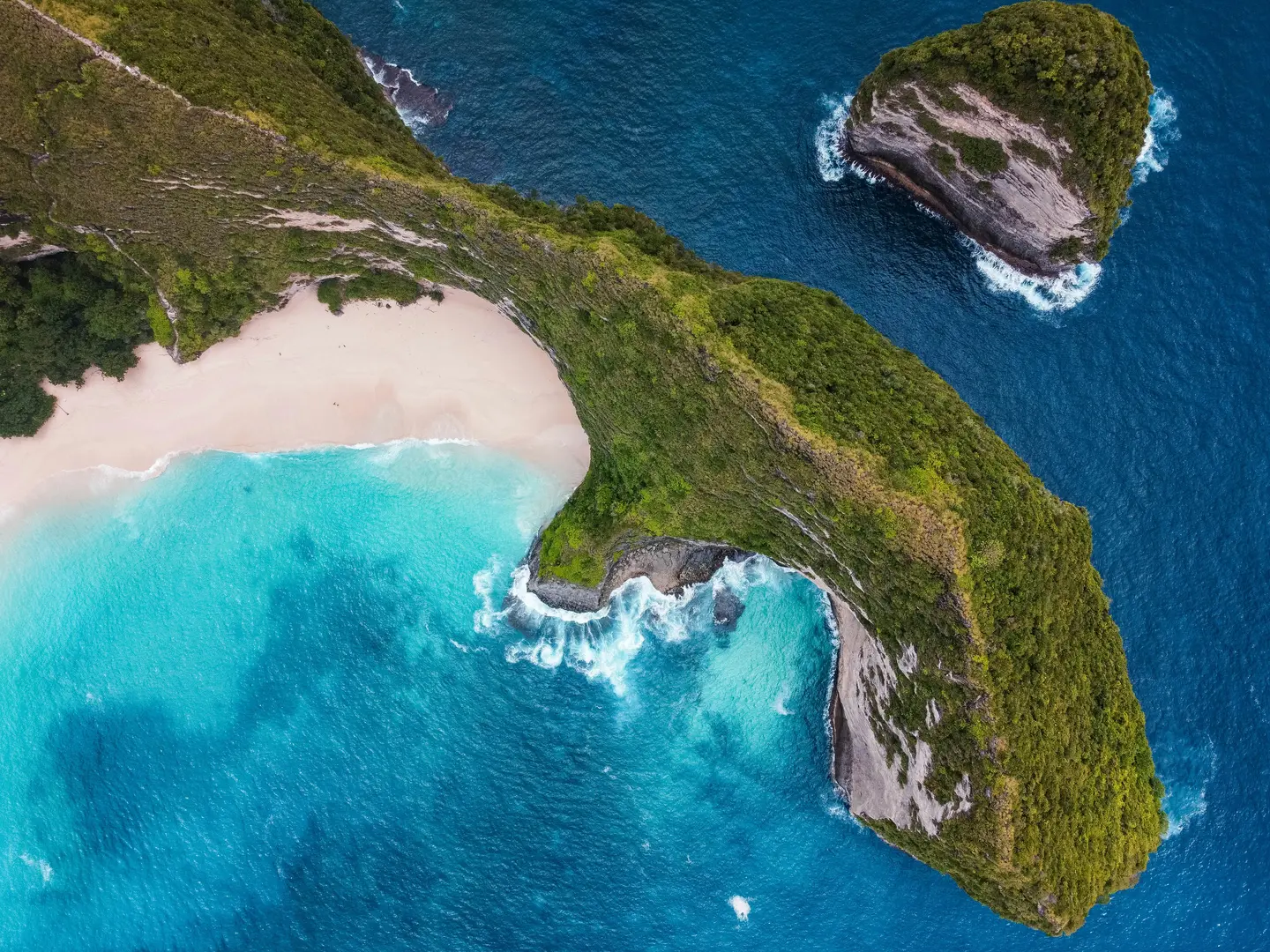
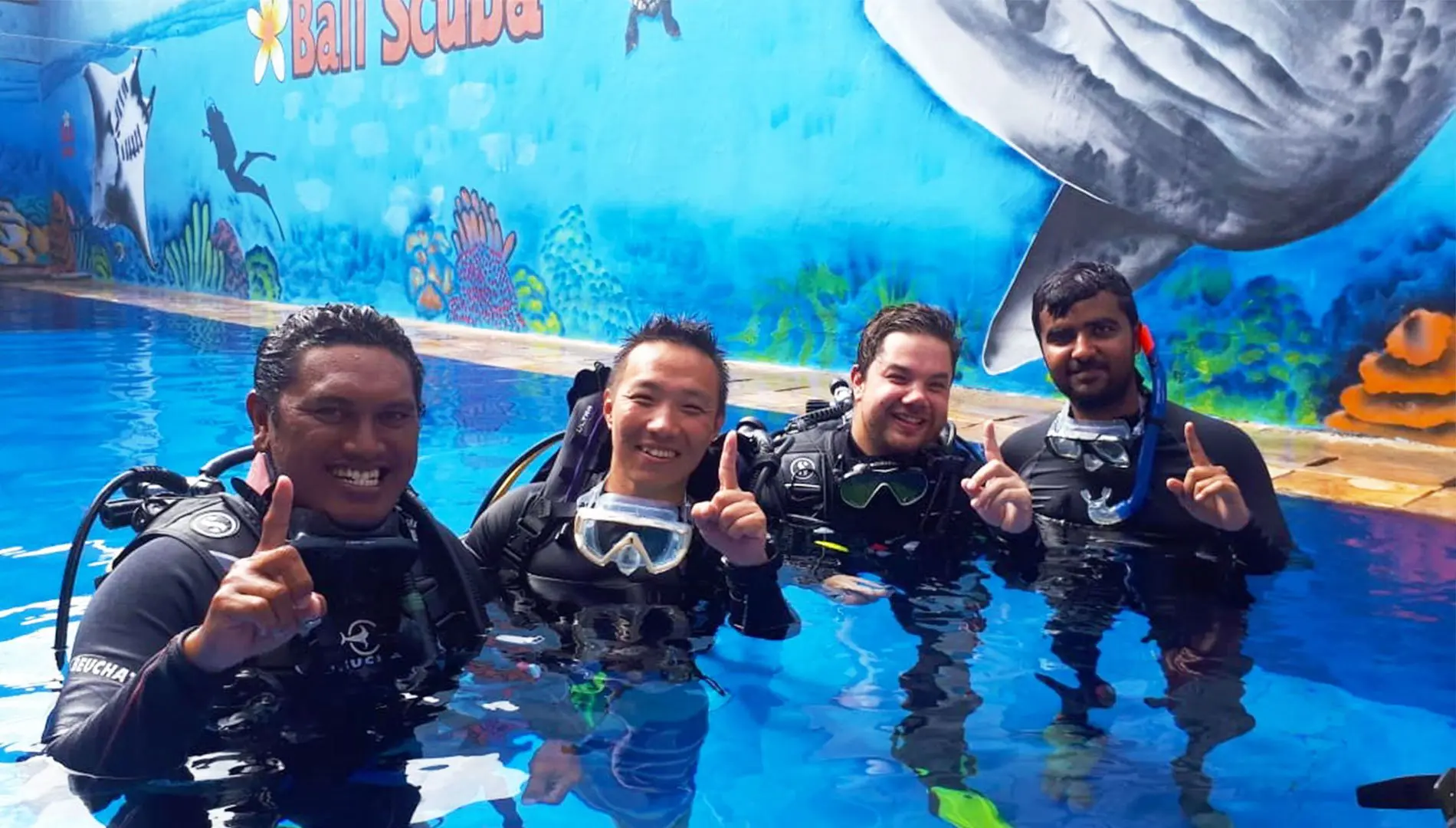
Derawan Islands diving sits well outside Indonesia's usual dive circuit, so most trips start by connecting through Bali or Lombok first. If you are building a wider Indonesia itinerary around a Derawan trip, Pure Dive Resort in Nusa Penida, Adventure Scuba Diving Bali and Bali Scuba are solid stops on the way through. Browse more options on our dive centers directory or check individual dive sites pages to plan your route.
For more remote Indonesia diving in the same spirit, read our Wakatobi diving guide or our Banda Sea diving guide. Planning a wider trip? Check our best time to dive Indonesia guide before you book flights.


Where to book your dive trip?

Find certified PADI, SSI, and RAID schools across Asia. Your guide to the world’s most unforgettable dive spots.