Wakatobi Diving Guide: Remote Reefs of Southeast Sulawesi
Wakatobi sits at the heart of the Coral Triangle in Southeast Sulawesi, one of Indonesia's most remote and best protected reef systems. Four islands, more than 40 dive sites and famously clear water make it a serious pick for divers who already have a few Indonesia trips behind them. Here is what to expect and how to plan the trip.
Indonesia
Guide
Asia

Photo by
NEOM
Wakatobi diving takes you to one of the most remote reef systems in Indonesia. This marine park sits in Southeast Sulawesi, far from the usual liveaboard routes through Komodo and Raja Ampat. The reward is quiet dive sites, exceptional visibility and reefs that few divers ever see. This guide covers the best dive sites, when to go and how to get there.
What Makes Wakatobi Diving So Special?
Wakatobi diving stands out because of its scale and health. The national park covers 1.4 million hectares of Southeast Sulawesi waters, with around 900,000 hectares of coral reef. Marine surveys have recorded roughly 400 coral species and 700 fish species here, among the highest counts in the Coral Triangle.
The park was established in July 1996 and joined UNESCO's World Network of Biosphere Reserves in 2012. Four main islands, Wangi-Wangi, Kaledupa, Tomia and Binongko, give the park its name and its acronym. Because no rivers or lakes feed sediment into the sea here, the water stays clear even after heavy rain.
Best Wakatobi Dive Sites for Every Level
Wakatobi has more than 40 recorded dive sites spread across its four islands. House Reef, right off Wakatobi Dive Resort on Tomia, is the most famous: a wall that drops from 3 metres to over 80 metres just 50 metres from shore. Cornucopia and Roma, also off Tomia, add wall diving and easier reef diving to the mix.
Most Wakatobi dive sites follow the same pattern: a shallow coral flat near the shoreline that gives way to a steep wall. This makes site selection simple. Pick a shallower flat for muck-style macro hunting, or head straight over the edge for a wall dive with better odds of open-water sightings.
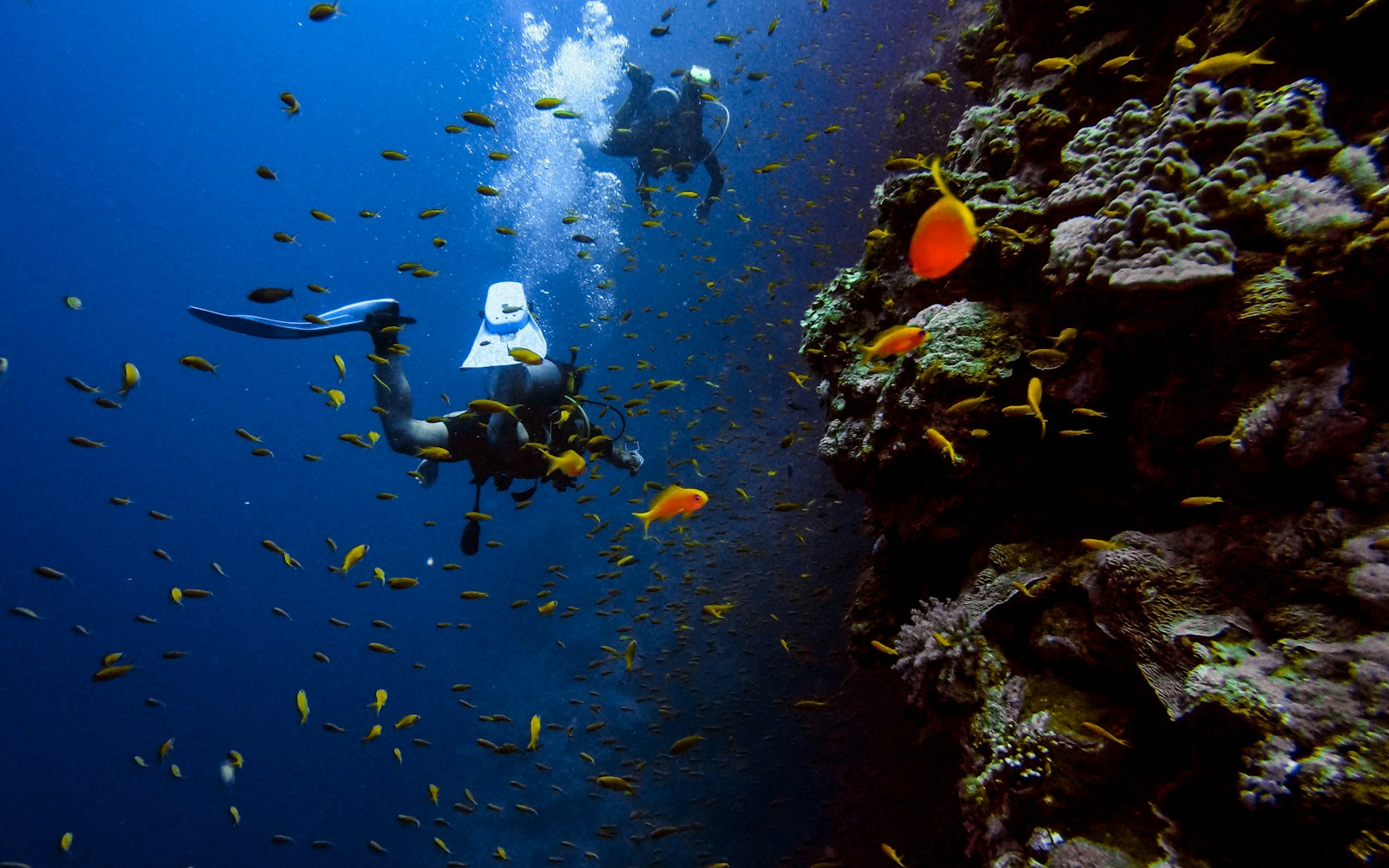
Photo by Aviv Perets
House Reef
House Reef sits directly in front of Wakatobi Dive Resort on Tomia island. You can walk in from the beach and reach the drop-off in about 50 metres. Divers have logged more than 25 distinct macro subjects on a single 60-minute dive here, from soft corals and gorgonians to sponges and rays.
Cornucopia
Cornucopia lies off Tomia island. The reef forms a near-vertical wall between 20 and 55 metres deep. It suits divers who already have some wall diving experience and want to watch the wall fade into blue water below.
Roma
Roma sits on the west side of Tomia island. The coral cover here is colourful and the current is calmer than at Cornucopia, which makes it a good pick for newer divers still building confidence on walls.
Coral Garden
Coral Garden is a shallower site built around dense, healthy coral growth. Divers commonly spot green turtles and lobsters tucked into the reef structure, which makes it a good choice for a relaxed second or third dive of the day.
When Is the Best Time to Dive Wakatobi?
The dry season from May to October gives the best Wakatobi diving conditions. Visibility averages 35 metres and can pass 50 metres on the clearest days. Water temperature stays between 26°C and 30°C year round. The wettest months, December to February, bring rougher seas and lower visibility.
Because there are no rivers carrying silt into these waters, even the wetter months rarely ruin visibility the way they do elsewhere in Indonesia. Local dive operators report skipping only a handful of dive days across an entire decade.
How Do You Get to Wakatobi?
Most divers fly into Matahora Airport (WNI) on Wangi-Wangi island, which takes direct flights from Makassar. Guests of Wakatobi Dive Resort can instead book the resort's private charter flight from Bali, a direct trip of under three hours straight to the resort's own airstrip on Tomia.
From Wangi-Wangi, onward transport to the other three islands runs by local boat. Because Wakatobi sits well outside Indonesia's main dive travel routes, build in at least one buffer day for connections.
What Marine Life Can You See in Wakatobi Diving?
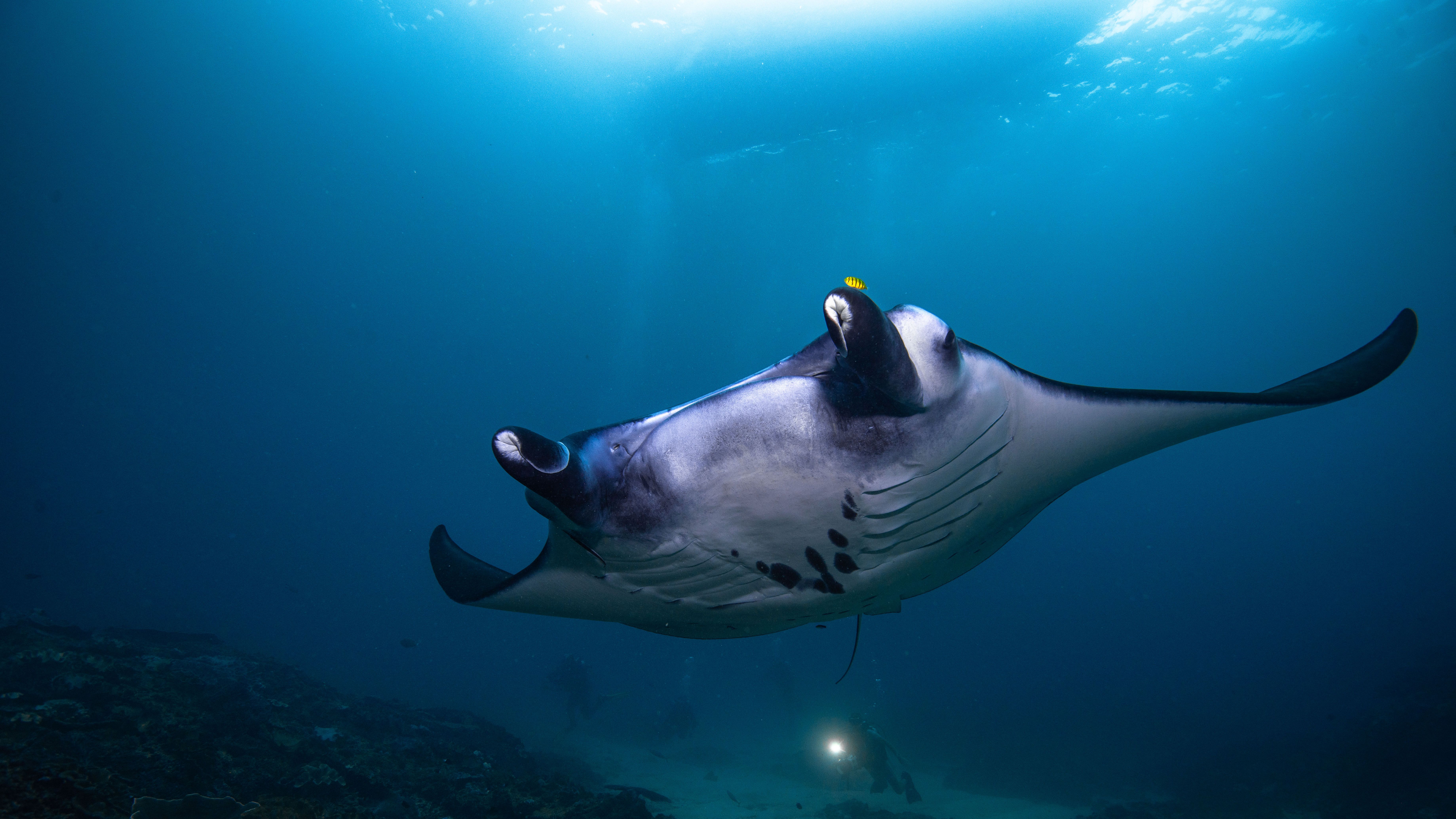
Wakatobi diving rewards patient divers with macro life: soft corals, gorgonians, sponges, tunicates and reef fish in high density. In the dry season, whale sharks pass offshore between June and September, and manta rays turn up on some sites during the same window. Neither species is guaranteed on any single dive.
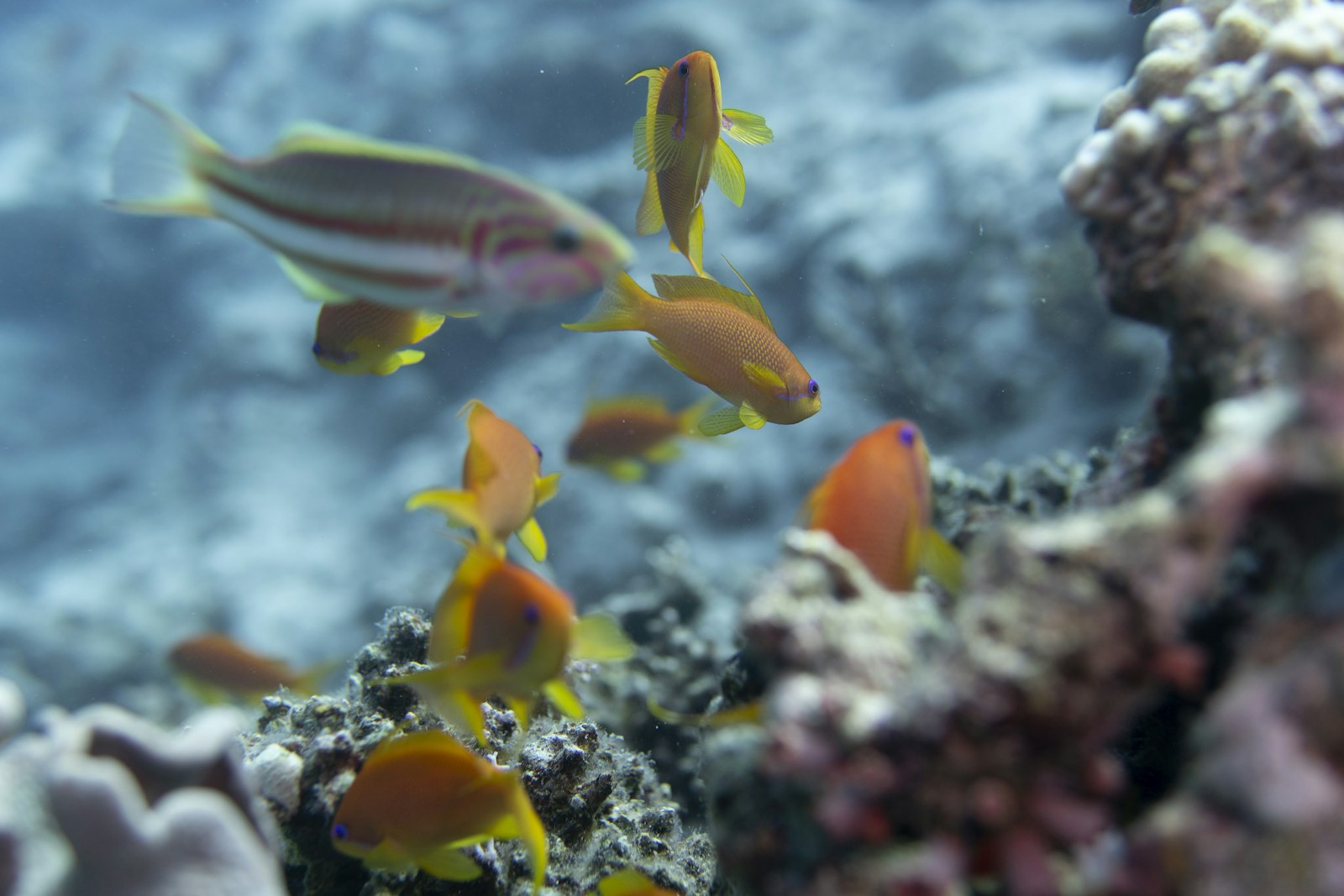
Photo by Oliver Schwaneberg
The real draw for many divers is the density and health of the reef itself. Wide stretches of hard coral cover, dense soft coral growth on the walls and steady numbers of reef fish make almost any dive worth logging, even without a big pelagic sighting.
Is Wakatobi Better Than Komodo or Raja Ampat?
Wakatobi diving suits divers who want healthy coral and calm, uncrowded sites over big current-driven action. Komodo is the stronger pick for reliable manta and shark sightings, and our Komodo liveaboard guide covers that route in detail. Raja Ampat wins on sheer biodiversity and dramatic karst scenery above the water. Wakatobi's strength is its walls, its macro life and the fact that you will likely have the reef to yourself.
Because Wakatobi takes more effort to reach, it works best as part of a longer Indonesia trip rather than a first-time, single-destination dive holiday. First-time visitors to Indonesia often do better starting in Bali or Komodo, then adding Wakatobi once they know they want more remote diving.
Wakatobi Diving FAQs
Is Wakatobi good for beginner divers?
Some sites, like Roma, suit newer divers with calmer currents and easy coral gardens. Others, like the Cornucopia wall, suit divers with some experience already. Ask your dive center to match sites to your level.
How do I get to Wakatobi from Bali?
Wakatobi Dive Resort guests can book the resort's private charter flight from Bali, which reaches the resort's own airstrip on Tomia in under three hours. Other divers fly to Matahora Airport on Wangi-Wangi, usually via Makassar.
When should I visit Wakatobi for the best visibility?
The dry season, from May to October, gives the clearest water, averaging 35 metres and sometimes topping 50 metres. December to February is the wettest and roughest period.
Will I see whale sharks or manta rays while diving Wakatobi?
Whale sharks pass offshore between June and September during the dry season, and manta rays turn up on some sites in the same window. Neither is guaranteed on any given dive.
How many dive sites does Wakatobi have?
Wakatobi has more than 40 recorded dive sites spread across its four main islands: Wangi-Wangi, Kaledupa, Tomia and Binongko.
Where to Book Your Wakatobi Dive Trip
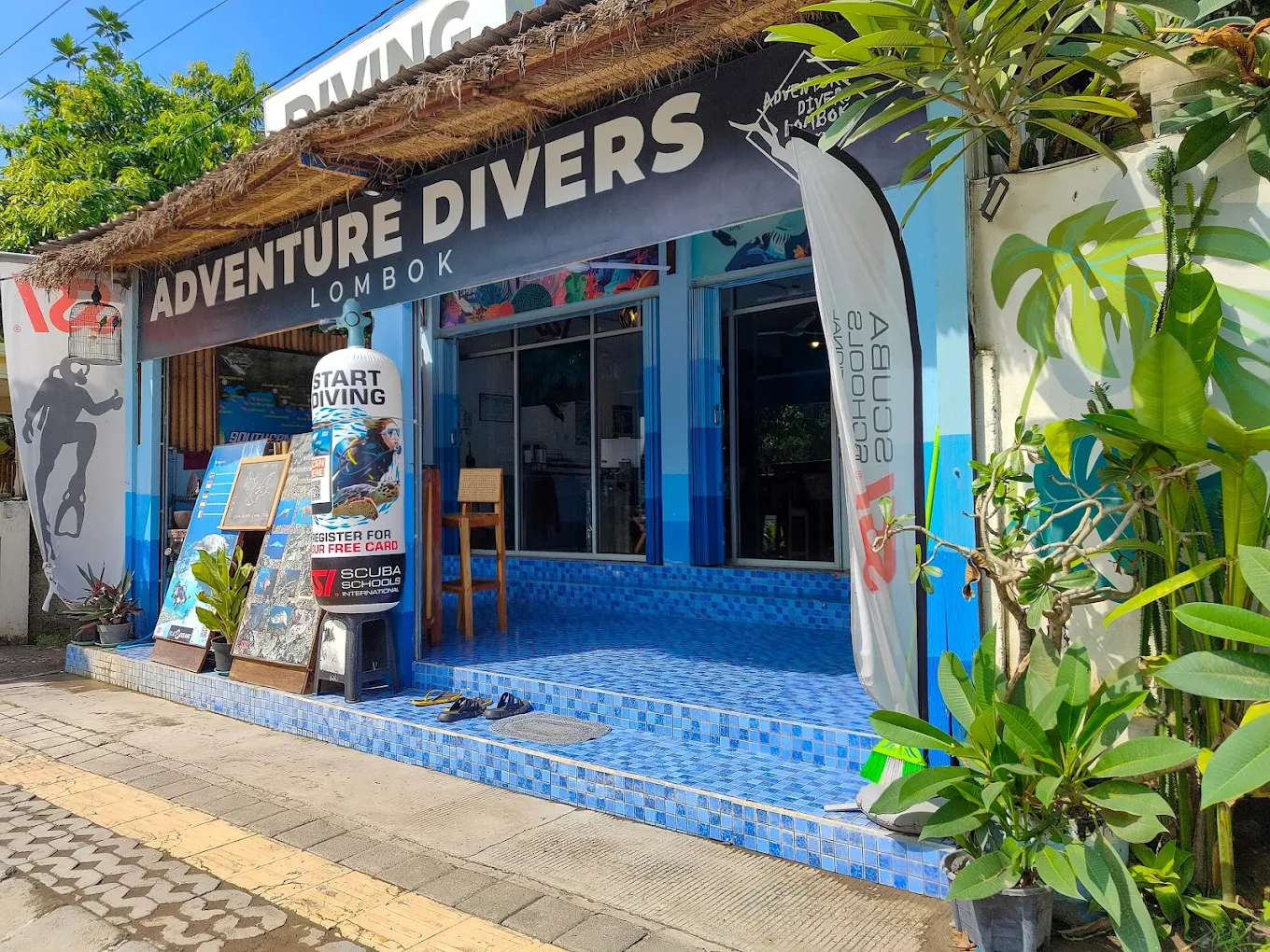
Wakatobi's remoteness means most trips start by connecting through Bali or Lombok. If you are building a wider Indonesia itinerary around your Wakatobi diving, Pure Dive Resort in Nusa Penida, Adventure Scuba Diving Bali and Adventure Divers Lombok are solid stops on the way through. Browse more options on our dive centers directory or check individual dive sites pages to plan your route.
For more remote Sulawesi diving, read our North Sulawesi diving guide. Planning a wider trip? Check our Banda Sea diving guide or our best time to dive Indonesia guide before you book flights.


Where to book your dive trip?


Find certified PADI, SSI, and RAID schools across Asia. Your guide to the world’s most unforgettable dive spots.