Nudibranchs of Indonesia: A Diver's Spotter Guide
Indonesia is the best place on earth to hunt for nudibranchs.
This guide covers the species you can find, the dive sites that hold them, and when to go.
It also explains how to spot the small ones and photograph them without doing damage.
Indonesia
Guide
Asia

Photo by
Ekaterina Zlotnikova
Nudibranch diving in Indonesia is a sport of its own. These small sea slugs come in colours that look invented, and Indonesian reefs hold more species than anywhere else on the planet. This guide covers which ones you can expect to see, where to dive for them, and how to train your eyes to pick them out.
What is a nudibranch?
A nudibranch is a soft-bodied sea slug, a marine snail that lost its shell. The name means naked gills, after the feathery gill plumes many species carry on their backs. More than 3,000 species have been described worldwide. Most are smaller than your thumb, and nearly all are brightly coloured.
That colour is a warning, not decoration. Nudibranchs eat sponges, hydroids and sea squirts, and they store the toxins from that food in their own tissue. The aeolids go further. They eat stinging hydroids and move the live stinging cells into the finger-like cerata on their backs.
Nudibranchs are hermaphrodites. Every adult carries both male and female organs, so any two of the same species can mate. You will often find pairs sitting side by side, facing opposite directions. Look nearby for the egg mass, a white or pink ribbon coiled into a spiral.
Most species live a few weeks to a year and stay under three centimetres long. The Spanish dancer is the exception. This red nudibranch can pass 40 centimetres and swims by flapping its mantle. It comes out after dark, so book a night dive if you want one.
Why Indonesia has the best nudibranch diving in the world
Indonesia sits in the middle of the Coral Triangle, the most species-rich marine region on earth. That richness applies to nudibranchs as much as to fish and coral. Add volcanic sand slopes, warm water year round and dive guides who spot critters for a living, and you get the best nudibranch diving anywhere.
The sand slopes matter more than the pretty reefs. Muck diving means diving on black sand, silt and rubble instead of hard coral. It looks like nothing from the boat, but it is where the sponges and hydroids grow, so it is where the nudibranchs gather. Our Lembeh Strait muck diving guide explains those dives.
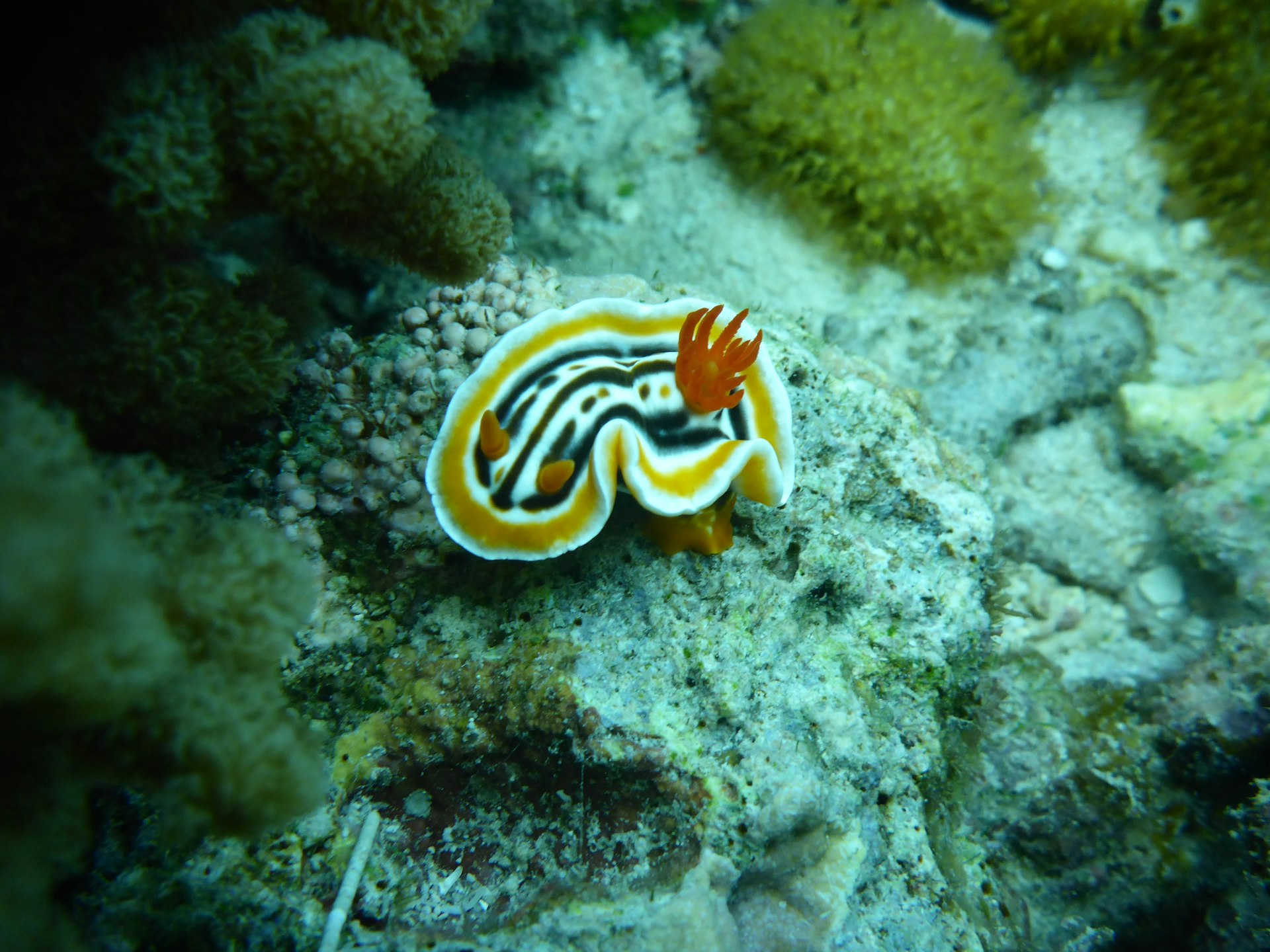
Photo by Jong Marshes
Nudibranch species to look for in Indonesia
Indonesian dive guides find dozens of nudibranch species on a single site. A few groups turn up on almost every dive. Learn these five and you will be able to name most of what you see: Chromodoris and Hypselodoris, Nembrotha, Phyllidia, the aeolids, and the hooded Melibe.
Chromodoris and Hypselodoris
These are the postcard nudibranchs: flat oval bodies, smooth mantles, and a ring of gills at the back that pulls in when you get too close. Chromodoris species are usually white or blue with black lines and a coloured mantle edge. Hypselodoris lean purple and yellow. Both eat sponges and sit out in the open.
Nembrotha
Nembrotha are bigger and chunkier, often green or black with orange or red markings. They eat sea squirts, so look on and around the colonial tunicates growing on dead coral and jetty pilings. They also move faster than most nudibranchs, which makes them easier to find and harder to photograph.
Phyllidia
Phyllidia have no visible gills. They breathe through folds under the mantle instead. Their backs are covered in hard warty ridges, usually black with white, yellow or blue bumps. They are the toughest and most toxic nudibranchs on the reef. They feed on sponges and crawl in plain sight during the day.
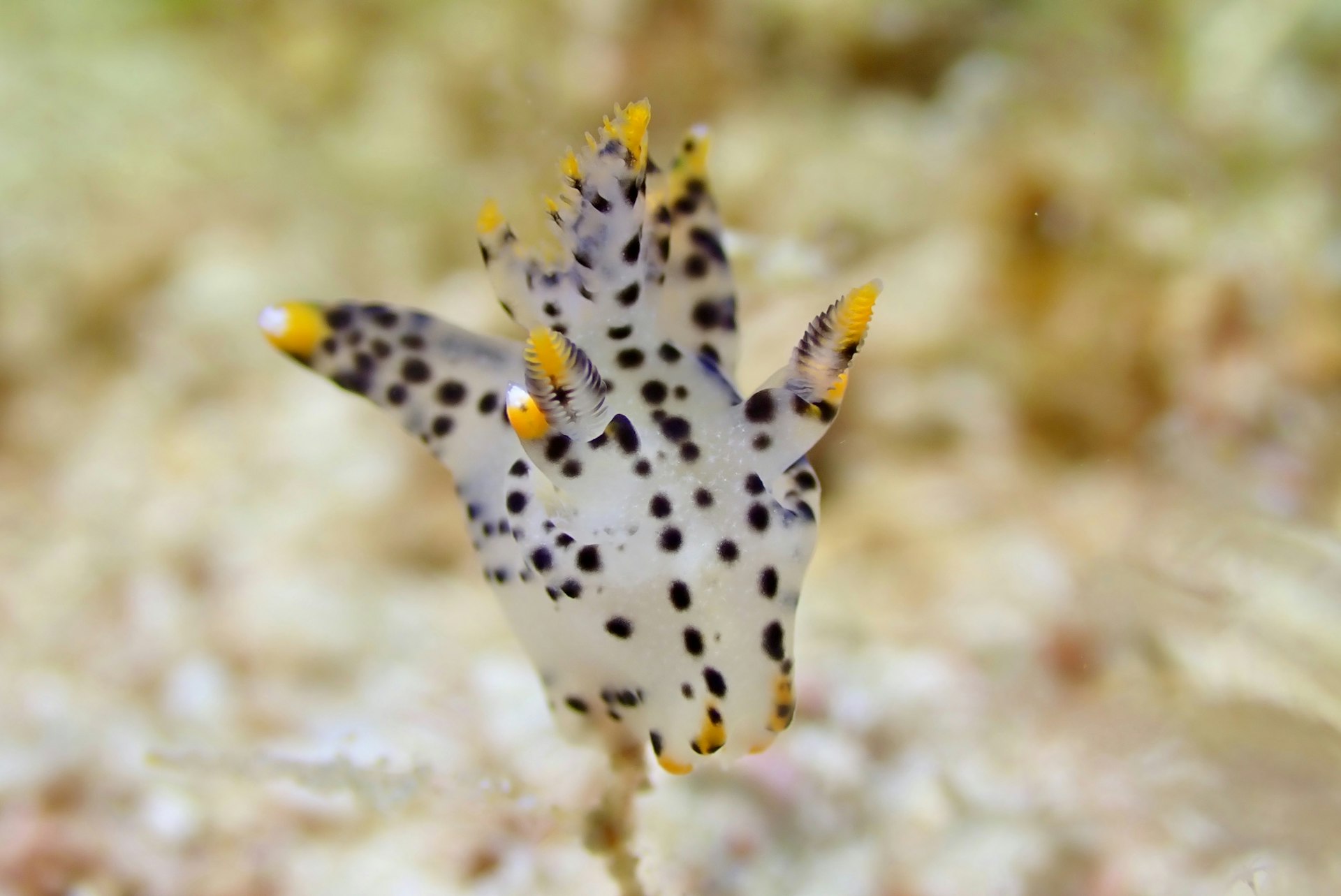
Photo by owen tay
Aeolids and the blue dragon
Aeolids are the shaggy ones, covered in cerata that look like fur. The blue dragon is the one most divers meet in Indonesia. It grows in a long ribbon, glows blue and purple, and coils on hydroid bushes. Do not touch it. The stinging cells it took from its food still work.
Melibe and the odd ones
Melibe is a translucent nudibranch that hunts with an expanding hood over its head. It throws the hood out, closes it around small shrimp, and eats. Guides find them on seagrass and rubble. The same sites hold solar-powered species that keep living algae in their tissue and feed partly off i
Best places to dive with nudibranchs in Indonesia
Lembeh Strait in North Sulawesi is the best nudibranch destination in Indonesia, and probably in the world. Ambon Bay in Maluku runs a close second. In Bali, Tulamben, Amed, Padang Bai and Secret Bay near Gilimanuk all produce good numbers on easy shore dives.
Lembeh Strait, North Sulawesi. Black volcanic sand, sheltered water, and guides who have spent decades learning the sites.
Ambon Bay, Maluku. A similar critter list plus the psychedelic frogfish, with far fewer boats than Lembeh.
Bali. Tulamben and Amed mix wreck, reef and black sand. Secret Bay at Gilimanuk is a shallow, cool, silty bay that critter hunters love.
Alor and Komodo. Cooler upwellings and mixed terrain. Nudibranchs turn up alongside the big fish.
Raja Ampat. Better known for mantas, but the jetties and rubble slopes hold plenty of small species.
For North Sulawesi compared region by region, read our North Sulawesi diving guide, or browse individual sites in our dive site directory.
When is the best time to see nudibranchs in Indonesia?
Nudibranchs are there all year. Unlike mantas or mola mola, they do not follow a season, so there is no wrong month to go looking. What changes is the weather, the visibility and how busy the sites get. Water sits around 26 to 29 degrees across most of Indonesia.
Lembeh is diveable every month. July to September is the drier, cooler, busiest window. December to February brings more rain and rougher surface conditions, but the muck sites are sheltered and keep working. For a month-by-month view, see our Indonesia dive season guide.
How to spot and photograph nudibranchs
Slow down and shrink your search area. Most divers swim straight past nudibranchs because they scan the reef at swimming speed. Pick one square metre, hold still, and look for colour that does not belong. Then check the sponges, hydroids and sea squirts, because that is what they came to eat.
Follow the food. Sponge eaters sit on sponges. Aeolids sit on hydroid bushes. Nembrotha sit on sea squirts.
Look for the eggs. A white or pink spiral ribbon means an adult is close by.
Check the dead coral and rubble. The ugly ground holds more than the healthy reef does.
Carry a torch. Colour drains away below 10 metres, and a light brings it straight back.
Let your guide lead. Lembeh guides find things you will not. Stay behind them and watch the pointer.
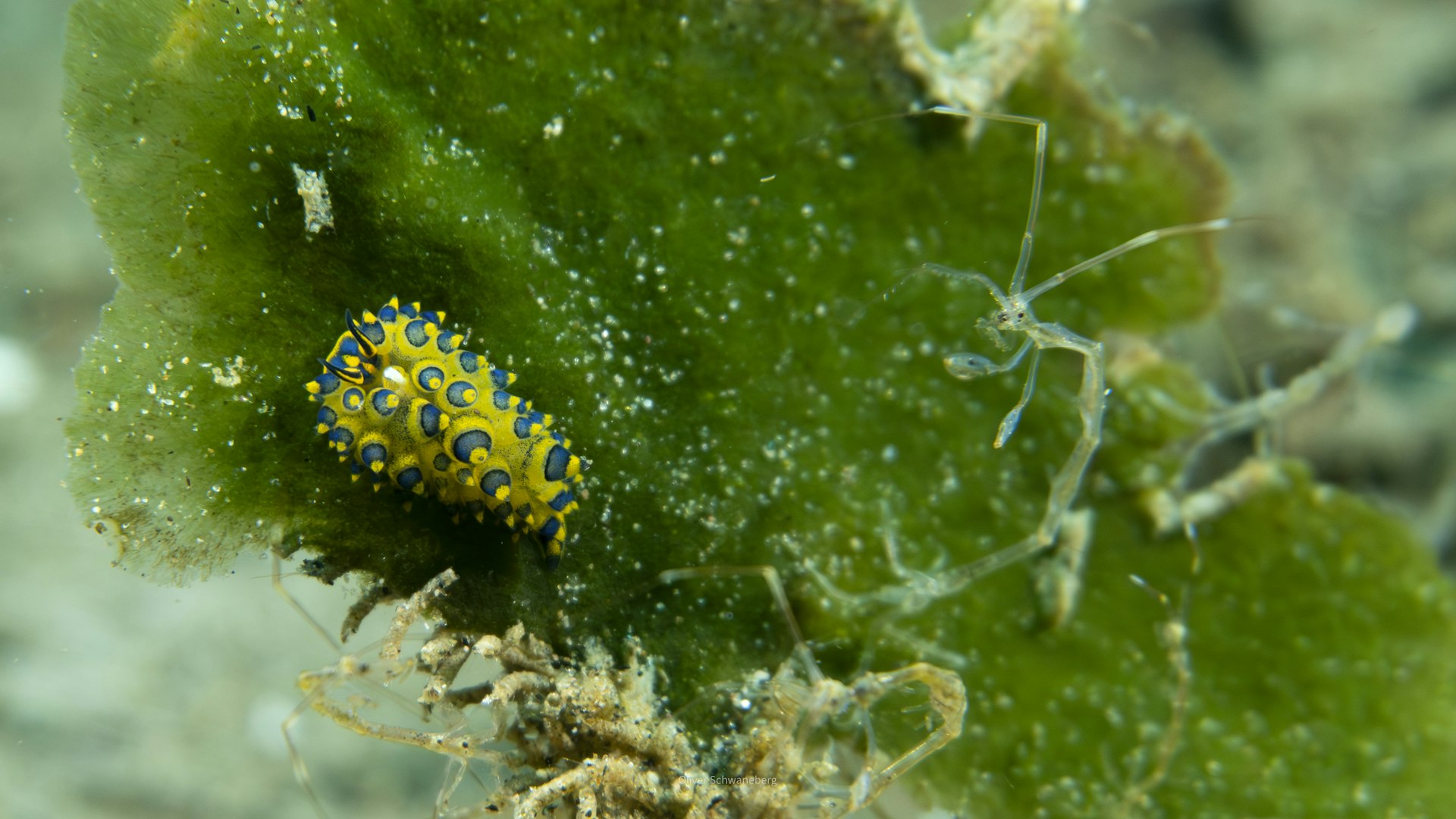
Photo by OLIVER SCHWANEBERG
For photos, a macro lens and a focus light do most of the work. Get low, shoot at eye level, and keep the rhinophores sharp. Take the shot before you crowd the animal, because a nudibranch that feels you coming pulls its gills in. Our underwater photography guide covers the settings.
One rule matters more than the rest. Do not touch or move them. Nudibranchs are soft and easy to damage, several are toxic, and an animal moved off its food often cannot find its way back. A single careless fin kick also buries the site in silt for everyone behind you.
Nudibranch diving in Indonesia: common questions
Are nudibranchs dangerous to divers?
No. They cannot chase you and they do not bite. The risk runs the other way. Many store toxins or live stinging cells taken from their food, so touching one can sting your skin. Look, photograph, and keep your hands off.
How big are nudibranchs?
Most species stay under three centimetres, and plenty are smaller than a grain of rice. The Spanish dancer is the outlier and can pass 40 centimetres. Expect to need your guide's pointer for most finds.
Where in Indonesia is best for nudibranchs?
Lembeh Strait in North Sulawesi. Its black sand slopes hold more species per dive than anywhere else in the country. Ambon Bay is the closest rival, and Bali's black sand sites are the easiest to reach.
Do I need a special certification to dive for nudibranchs?
No. Most muck sites sit between 5 and 25 metres, so an Open Water certification covers them. Buoyancy matters far more than depth. You will hover a few centimetres above silt for most of the dive.
Where to book your Lembeh dive trip
Lembeh diving runs on guides. The animals are tiny, and the gap between a good dive and a great one is the person leading it. Book with an operator that dives the strait daily and keeps groups small.
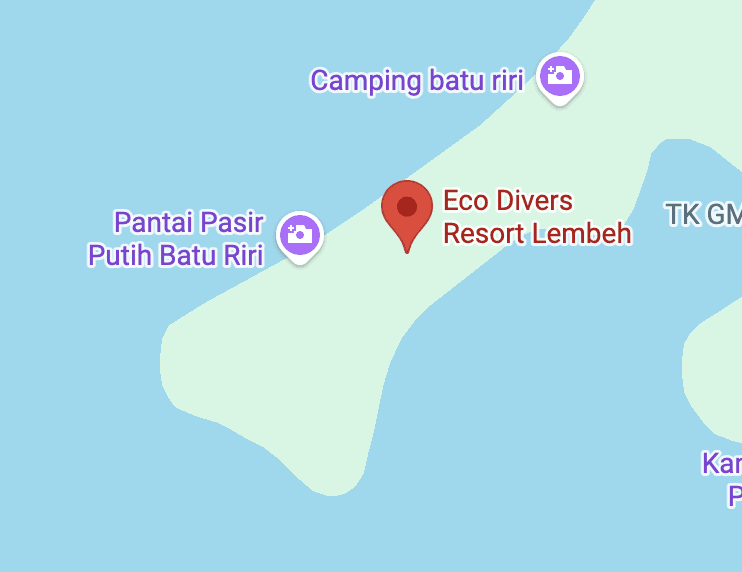
Eco Divers Lembeh, Aldmeta Diveshop Lembeh and Jandri Scuba Dive Lembeh all run daily boats onto the muck sites, and you can check their availability below. Diving elsewhere in Indonesia? Browse the full dive center directory.

Where to book your Lembeh dive trip?




Find certified PADI, SSI, and RAID schools across Asia. Your guide to the world’s most unforgettable dive spots.