Blackwater Diving in Indonesia: The Open-Ocean Night Dive
Blackwater diving drops you into open ocean at night, over water hundreds of metres deep. A line of lights hangs from the boat, and larval fish, baby squid and transparent jellies drift past it. Here is how the dive works in Indonesia and what you need before you try it.
Indonesia
Guide
Asia

Photo by
Maël BALLAND
Blackwater diving is the strangest night dive you can do in Indonesia. You drop into open ocean after dark, with hundreds of metres of water below you and no reef in sight. A line of bright lights hangs from the boat. Around it drift animals most divers never see: larval fish, baby squid, jellies the size of a thumbnail. This guide explains how blackwater diving works, what turns up, and what you need before you try it.
What is blackwater diving?
Blackwater diving is a night dive in open water, away from any reef or seabed. The boat hangs a weighted line below the surface, strung with powerful lights. Divers stay close to that line and search the water column around it. The subjects are plankton-stage animals that rise from deep water after dark.
The boat drifts with the current, and so do you. Most dives sit between 10 and 25 metres deep. Below that, the bottom can be 300 metres away or more. There is nothing to hold on to and nothing to look at except black water and whatever swims into the beam.
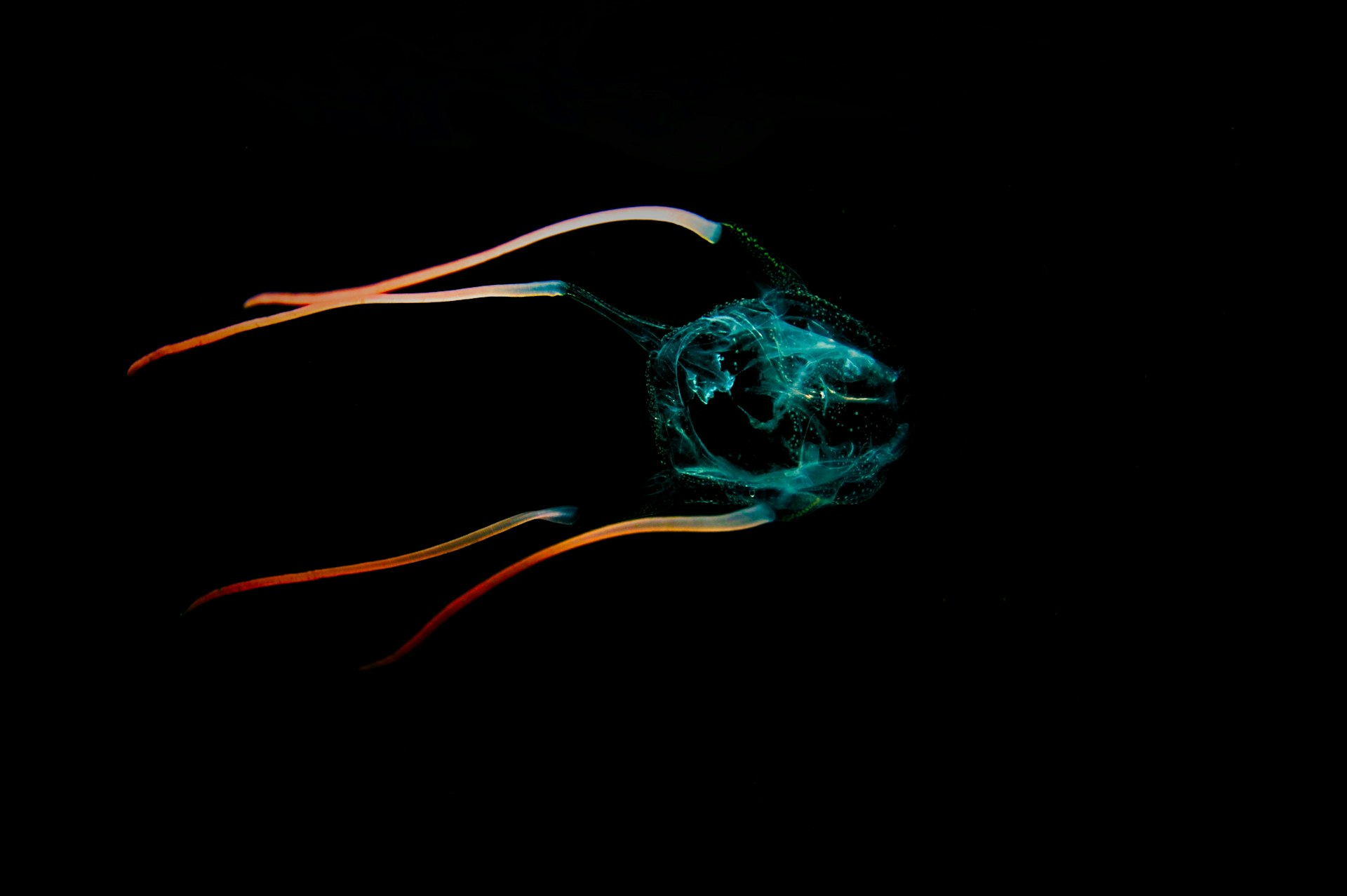
Photo by Will Turner
Why Indonesia is good for blackwater diving
Indonesia suits blackwater diving because deep water sits close to shore. Off the Lembeh Strait in North Sulawesi and along Bali's north-east coast, the seabed falls away steeply within a short boat ride. Crews reach open ocean in minutes. The water stays warm all year, so long, slow dives are comfortable.
The country also sits inside the Coral Triangle, the richest marine region on Earth. More species on the reef means more larvae in the water column at night. The Lembeh Strait built its name on muck diving, and the same critter-hunting habit carries over to the open ocean. If you have not dived the strait itself, start with our Lembeh Strait muck diving guide.
What you actually see on a blackwater dive
Blackwater dives show you ocean animals in their juvenile stage, before they settle on a reef. Expect larval fish with long trailing fins, young squid and octopus, comb jellies, salps and siphonophores. Many are transparent. Most are smaller than your thumb. Almost none of them look like the adult they will become.
This works because of the daily vertical migration. Every night, huge numbers of small ocean animals swim up from deep water to feed near the surface. Before dawn they sink back down. It is the largest movement of animals on the planet, and it repeats every day. A blackwater dive parks you in the middle of it.
Common sightings include:
Larval fish, including flounder, eels and triggerfish in shapes you will not recognise
Juvenile squid, octopus and cuttlefish
Comb jellies that flicker with rows of moving cilia
Salps and siphonophores, some strung out in long chains
Pteropods, the small swimming sea snails divers call sea butterflies
Larval shrimp and crabs, sometimes riding on a jellyfish

Photo by Smithsonian
How a blackwater dive runs
A blackwater dive follows a set routine. The boat motors out over deep water after sunset and drops a weighted downline hung with lights. Divers enter, descend along the line and stay within sight of it. The whole rig drifts with the current, and the boat follows. Dives usually last 60 to 75 minutes.
Some operators clip each diver to the line with a tether. Others let you swim free within a few metres of it. Ask which system your crew uses before you get in. Either way the rule is the same: keep the lights in view. Losing them in open water at night is the one thing you must avoid.
Blackwater diving versus bonfire diving
These two get confused often. Bonfire diving keeps you on the bottom in shallow water, usually 10 to 15 metres, with lights set on the sand to draw in plankton and the critters that feed on it. Blackwater diving keeps you in open water with nothing below. Bonfire dives are easier, and they make a good first step.
If you have done neither, start with a normal night dive on a reef. Our beginner's guide to night diving covers what changes after dark.
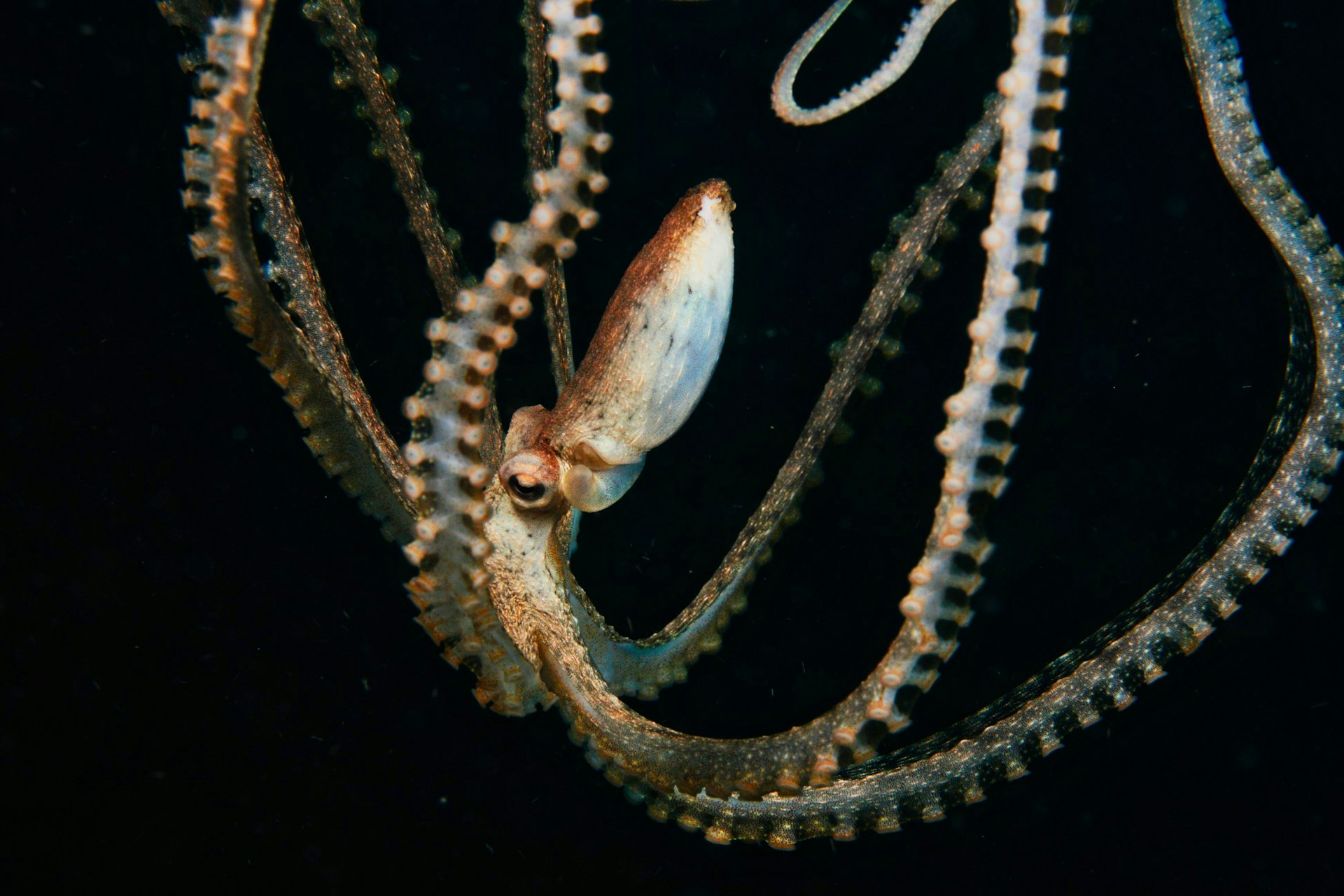
Photo by Swanson Chan
What you need before you try it
Blackwater diving asks more of you than a reef night dive. You need buoyancy control you can hold without a visual reference, because there is no bottom and no wall to judge yourself against. Most operators want an Advanced Open Water certification and a few night dives already logged.
Two habits matter most. Check your computer often, since your body will not tell you when you are drifting deeper. And keep your torch pointed away from other divers, because a beam in the mask ruins their night vision and their photo.
For gear, bring a focus light bright enough to cut through black water, a backup light, and a surface marker buoy. Photographers usually run a macro lens with a snoot or a tight strobe beam. The subjects are small, fast and rarely still. Expect to miss more shots than you land. If you shoot macro, our nudibranch spotter's guide covers similar close-up technique on the reef.
Blackwater diving FAQ
How deep do you go on a blackwater dive?
Most blackwater dives stay between 10 and 25 metres. The seabed far below is not part of the dive. Your depth follows where the animals are, not the bottom.
Do you have to be tethered to the line?
It depends on the operator. Some clip each diver to the downline, others let you swim free within a few metres of the lights. Ask before the dive so you know which system you are using.
What certification do I need for blackwater diving?
Most operators ask for an Advanced Open Water certification plus night dive experience. The real requirement is buoyancy control you can hold without a visual reference.
Is blackwater diving the same as bonfire diving?
No. Bonfire diving keeps you on the sand in shallow water with lights set on the bottom. Blackwater diving puts you in open water over deep ocean, drifting beside a hanging line of lights.
When is the best time for blackwater diving in Indonesia?
Calm seas matter more than season, because the dive happens offshore in open water. Operators cancel when swell or wind picks up, so leave a few spare nights in your trip.
Where to book your blackwater dive
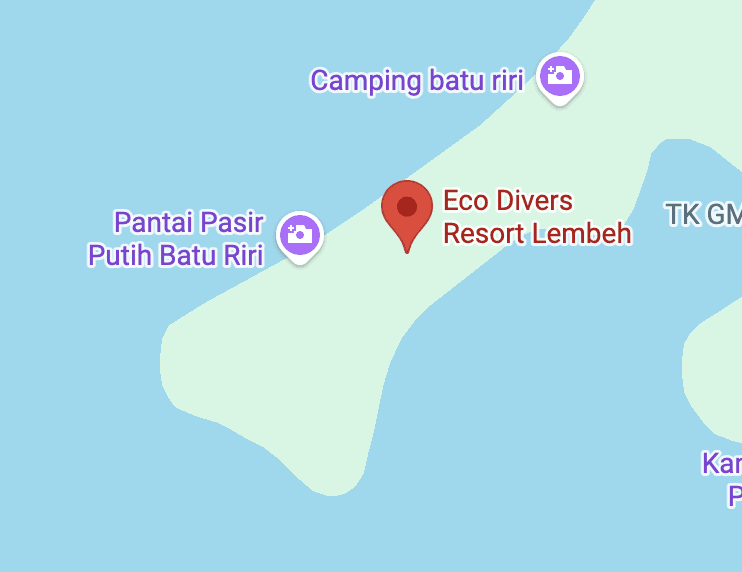
Blackwater diving is a specialist trip, so ask before you book. Not every center runs it, and the ones that do usually need a minimum number of divers. In the Lembeh Strait, Eco Divers Lembeh, Aldmeta Diveshop Lembeh and Jandri Scuba Dive Lembeh are all based on the strait and can tell you what night diving they offer.
Browse more operators in our dive centers directory, or plan the rest of the trip around the reefs in our dive sites directory.


Where to book your Lembeh Strait dive trip?




Find certified PADI, SSI, and RAID schools across Asia. Your guide to the world’s most unforgettable dive spots.