Alor Diving Guide: Indonesia's Wild Eastern Frontier
Alor sits at Indonesia's eastern edge, where the Pantar Strait pulls in strong currents and big pelagic fish. Kalabahi Bay does the opposite, hiding rare macro life in black sand. This guide covers the sites, the season and how to get there.
Indonesia
Guide
Asia

Photo by
karen kayser
Alor diving puts you at Indonesia's wildest eastern edge, where the Pantar Strait channels big pelagic fish through strong currents and Kalabahi Bay hides rare macro critters in black sand. It sits in East Nusa Tenggara, past Flores and Komodo, reachable mostly by liveaboard. This guide covers the sites, the animals, the season and how to get there.
What Makes Alor Diving Different
Alor diving splits into two very different styles in one small area. The Pantar Strait runs between Alor and Pantar islands and pulls strong currents through a narrow channel, drawing in schooling fish and big pelagics. Kalabahi Bay, just a short boat ride away, is flat and calm with a black sand bottom built for muck diving. Few destinations in Indonesia pack both extremes so close together.
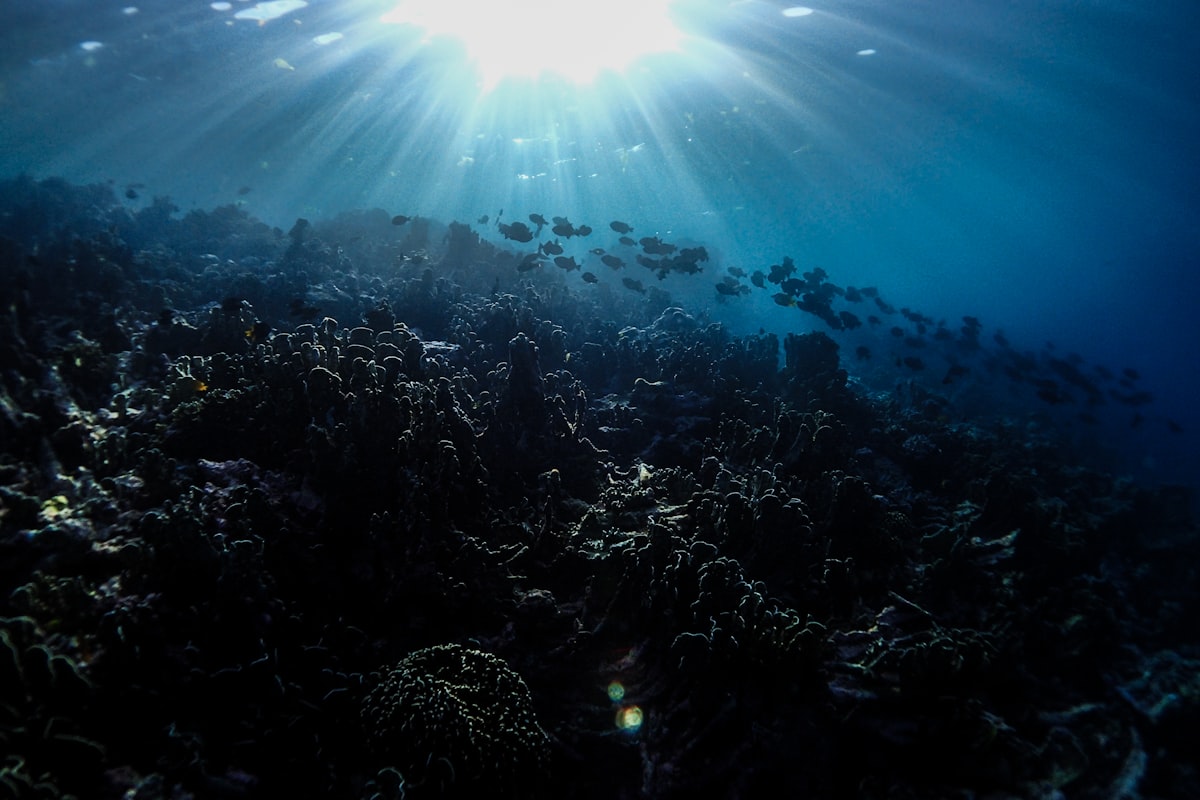
Photo by Benjamin L. Jones
The catch is remoteness. Alor sits far past the more visited dive spots of Komodo and Bali, so trips usually run on a liveaboard out of Kalabahi rather than from a shore-based dive center. That keeps visitor numbers low and the reefs largely undived compared with busier parts of Indonesia.
Pantar Strait: Big Fish and Strong Currents
The Pantar Strait is Alor's wide-angle showcase, where a narrow channel between two islands funnels currents strong enough to draw schooling jackfish, barracuda, tuna and rainbow runners. Divers who time it right also see hammerhead and thresher sharks. It is not a beginner strait: the currents and eddies here call for real experience and a guide who knows the timing.
Kal's Dream, also called Batu Mandi by locals, is a pair of pinnacles northwest of Kepa Island that top out at 7 metres and 2 metres. Currents sweep across both, holding schools of anthias in place and bringing in barracuda, reef sharks and rays. The Cathedral is named for its jumbled boulders and steep wall, thick with hard and soft coral and sponges, with enough structure to explore across several dives. Further sites like the Great Wall of Pantar and Clown Valley add drop-offs and healthy coral cover to the strait's current-driven drift dives.
Kalabahi Bay: Macro and Muck Diving
Kalabahi Bay is one of Indonesia's better muck diving grounds, with a silty black sand bottom that suits small, strange animals rather than big fish. Divers here move slowly and look close, searching the sand and scattered debris for creatures that would be impossible to spot from any distance.
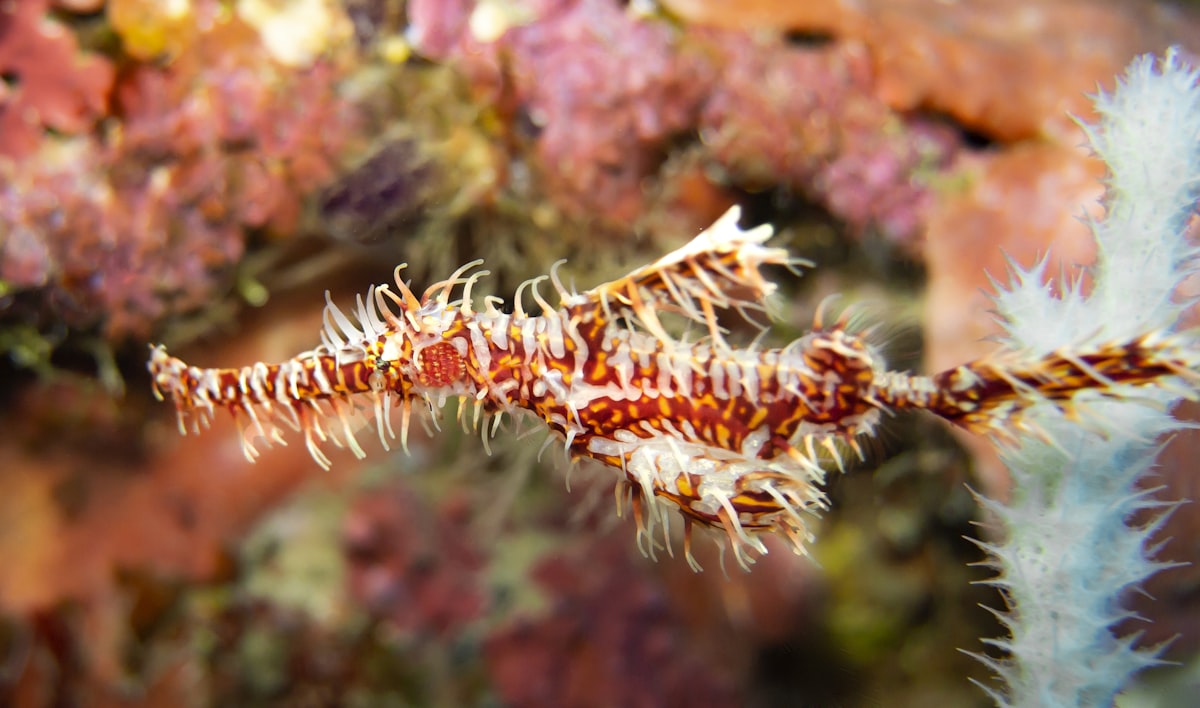
Photo by Heidi Bruce
Bakalang Jetty is the bay's standout macro site: pillars around 15 metres tall are covered in coral growth and shelter anglerfish, ghost pipefish and nudibranchs. Because the bay sits sheltered from the strait's currents, it is an easy, slow-paced counterpart to the wide-angle diving a short boat ride away, and a good place to spend a check-out dive or a rest day between current dives.
Marine Life You Might See
Alor's marine life splits along the same lines as its dive sites. In the Pantar Strait, expect schooling jackfish, barracuda, tuna, rainbow runners, Napoleon wrasse and bumphead parrotfish, plus a real shot at hammerhead sharks, thresher sharks and even mola mola when conditions line up. Hammerheads live year-round in the strait's deep water, but sightings peak from September to November.
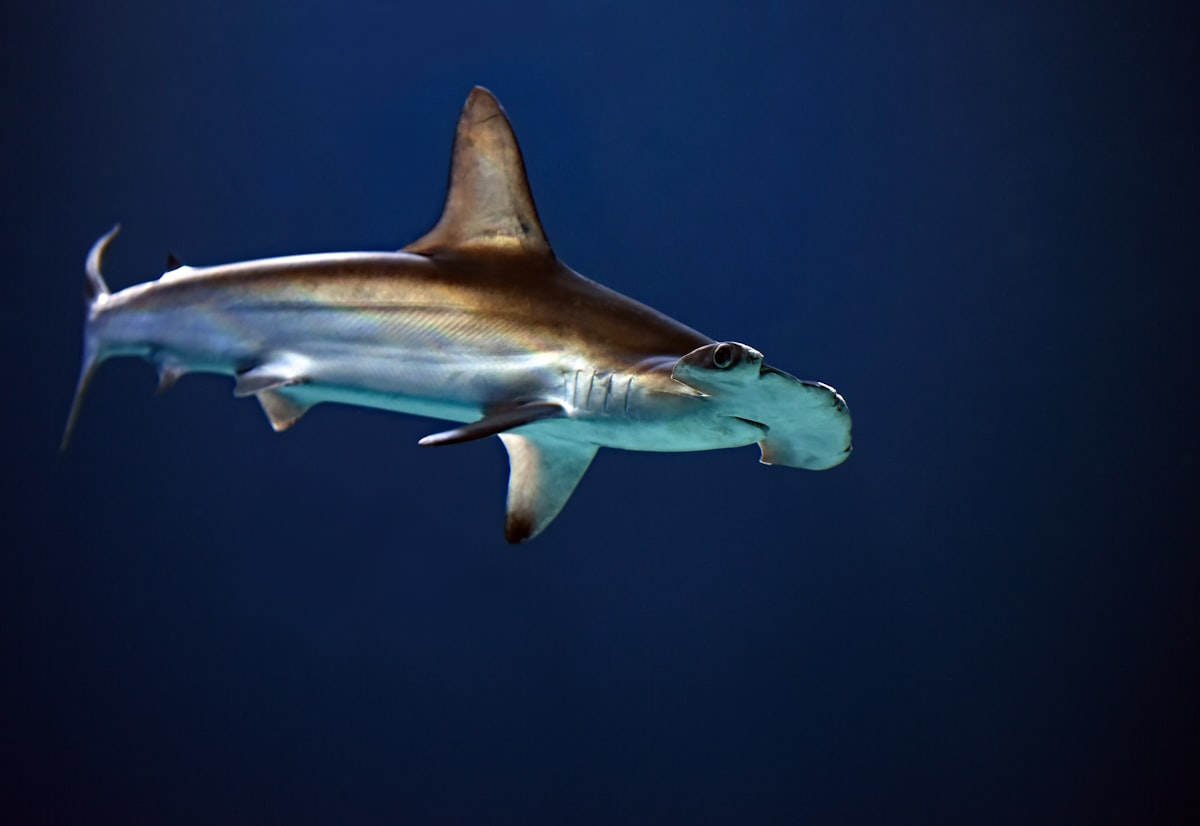
Photo by David Clode
In Kalabahi Bay, the pace and the wildlife both slow down. Anglerfish, ghost pipefish, frogfish and a long list of nudibranch species work the black sand and jetty pilings. If you already know the Lembeh Strait, Alor's muck diving will feel familiar. Our nudibranch spotter's guide covers the same close-up hunting technique that works here.
Water Temperature and Cold Upwelling
Water in Alor usually runs 24 to 28°C, warm enough for a 3mm wetsuit most of the year. The catch is upwelling: cold, nutrient-rich water rises from deep channels in the strait and can drop the temperature sharply within a single dive. Bring a 5mm suit or a hood if you plan to dive the strait, and watch your dive computer, since the drop can happen faster than you expect.
Best Time to Dive Alor
Alor diving runs from March to November, with the calmest conditions from April to June and again from September to November. October and November bring the strongest currents of the year, but they overlap with peak hammerhead season, so many experienced divers choose those months anyway. If you want easier conditions, aim for April through June instead.
Getting to Alor
Getting to Alor takes a bit of planning, since it has no direct international flights. Most visitors fly into Bali or Jakarta, connect to Kupang in West Timor, then take a Wings Air flight on a small ATR 72 aircraft for the roughly one-hour hop to Alor's airport in Kalabahi. A slower option is the fast boat from Kupang, which runs three times a week and takes about six hours.
Once you land, diving itself is mostly done by liveaboard, since day-trip dive centers on Alor are limited. Boats depart from Kalabahi harbor and run multi-day routes covering both the strait and the bay. If you have not planned an Indonesian liveaboard trip before, our Komodo liveaboard guide covers the same trip-planning basics, from route length to what to pack.
Alor Diving FAQ
Is Alor diving suitable for beginners?
Not really. The Pantar Strait has strong currents and eddies that call for real experience, though Kalabahi Bay's muck sites are calmer and easier for less experienced divers.
When is the best time to see hammerhead sharks in Alor?
Hammerheads live in the Pantar Strait year-round, but sightings peak from September to November, which is also when currents run strongest.
Do I need a liveaboard to dive Alor?
Almost all Alor diving runs from a liveaboard departing Kalabahi harbor, since shore-based dive centers on the island are limited.
How cold does the water get in Alor?
Water usually sits between 24 and 28°C, but cold upwelling in the strait can drop the temperature sharply within a single dive, so pack a 5mm wetsuit.
What is the difference between diving the Pantar Strait and Kalabahi Bay?
The Pantar Strait is current-driven wide-angle diving for big fish. Kalabahi Bay is calm, black sand muck diving for small, rare macro life.
Where to Book Your Alor Dive Trip
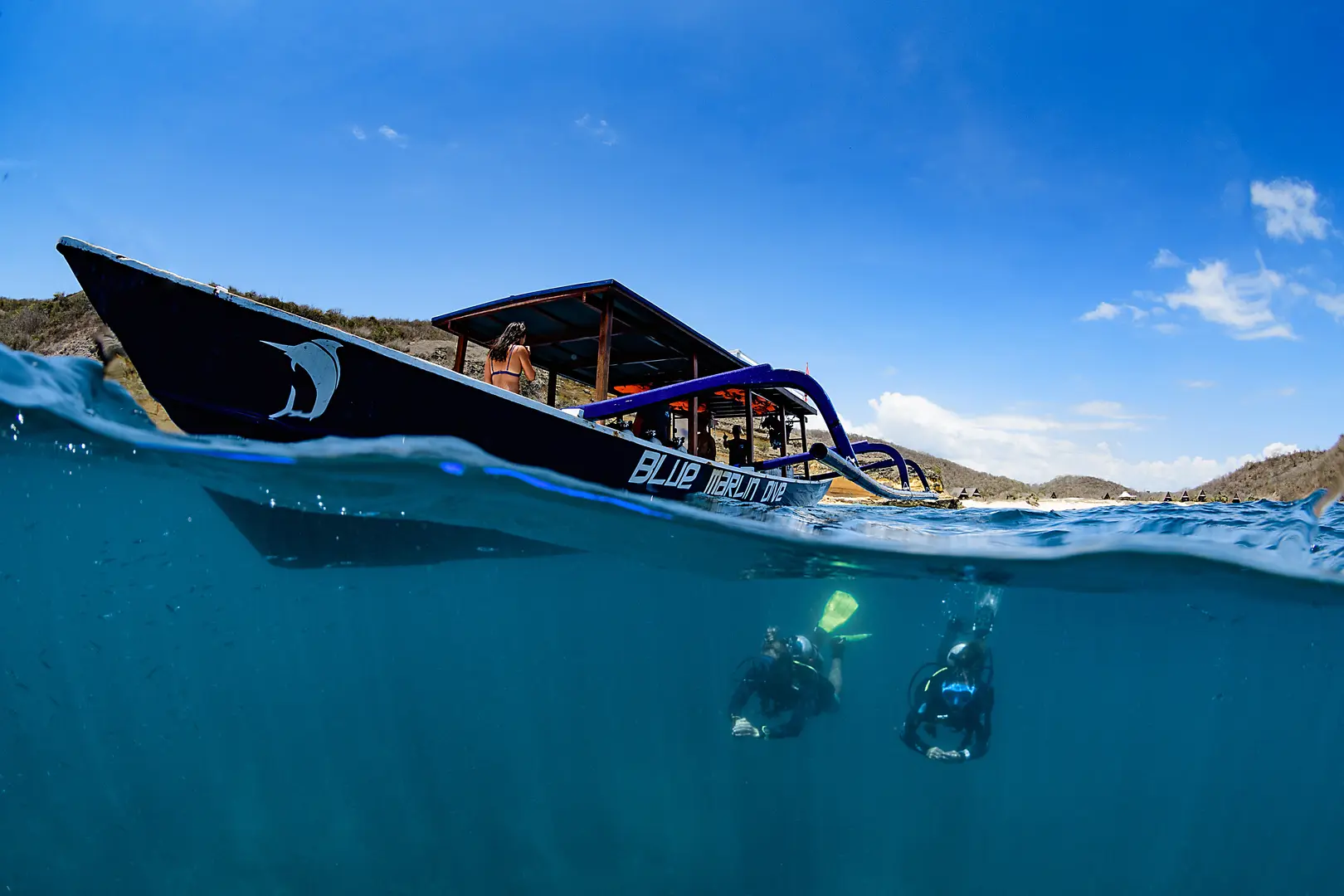
Since Alor has few dedicated shops, plan this trip through a liveaboard operator or a well-reviewed Indonesian dive center that can point you to the right season and boat. Pure Dive Resort, Adventure Scuba Diving Bali and Blue Marlin Lombok Kuta are all verified, highly rated operators who can help plan an eastern Indonesia trip or point you toward the right liveaboard.
Browse more operators in our dive centers directory, or look up specific sites in our dive sites directory.


Where to book your dive trip?

Find certified PADI, SSI, and RAID schools across Asia. Your guide to the world’s most unforgettable dive spots.