Bali Scuba Diving

The best Bali diving spots for scuba divers attempting to dive in Bali, Indonesia.
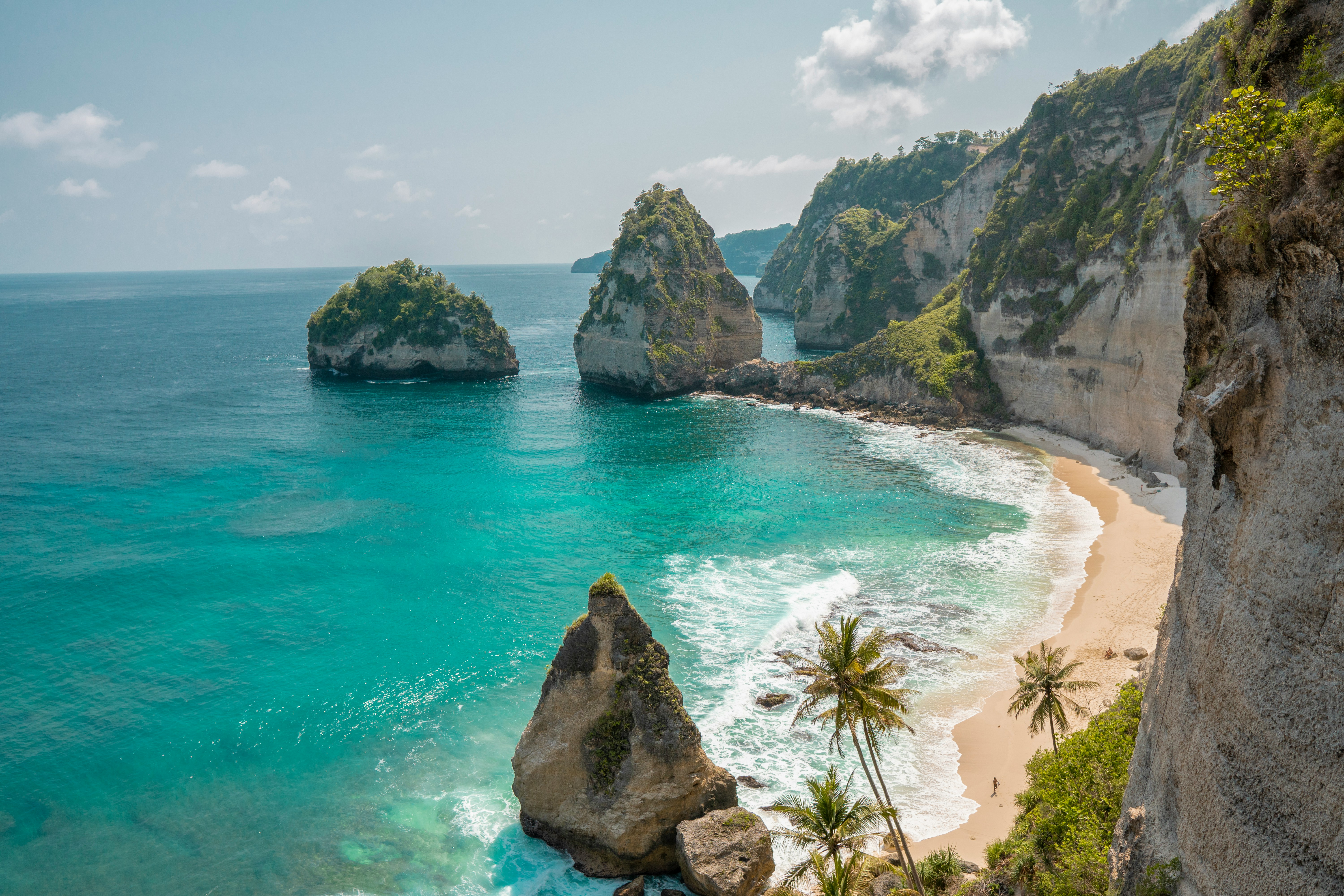
Manta point nusa penida island

Share

Bali is a top diving spot in Indonesia, known for stunning dive sites and vibrant marine life. The island offers many great places to dive.

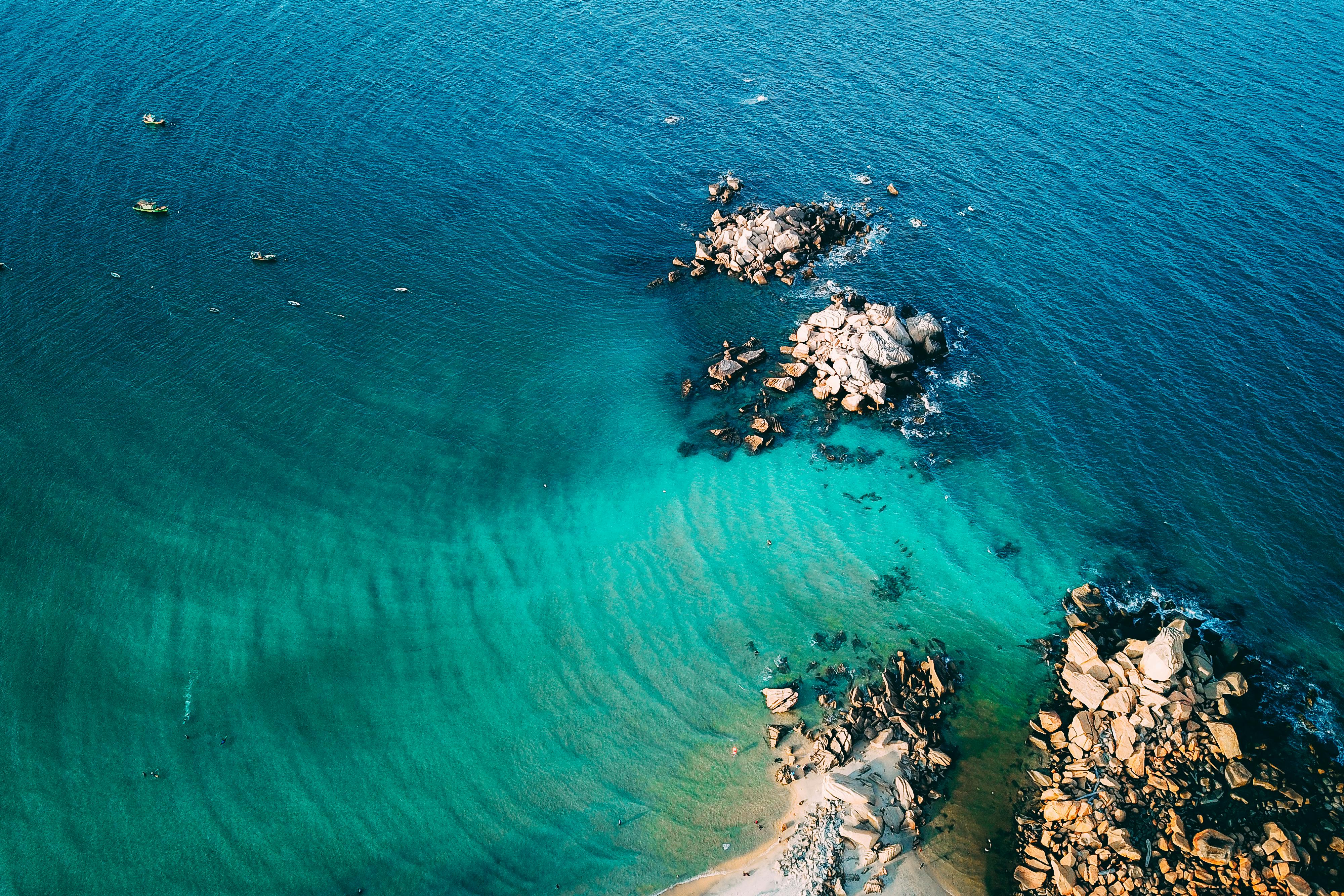
Explore the calm bays and steep drop-offs of the Nusa Islands: Nusa Penida, Nusa Lembongan, and Nusa Ceningan. In Tulamben, you can find the famous USAT Liberty wreck, and Amed is known for its beautiful coral reefs. The Nusa Islands sit off Bali’s southeast coast and are loved for their steep walls and colorful coral gardens.

At Crystal Bay and Blue Corner, clear coral gardens meet steep drop-offs. Manta Point in Nusa Penida is popular for its year-round manta ray sightings, and from July to October, divers visit Crystal Bay to see the ocean sunfish, known as Mola Mola.

Most dive sites in Bali suit beginner and intermediate divers. Calm bays like Lembongan Bay and Gamat Bay are great for newcomers, while Blue Corner, Ceningan Wall, and Toyapakeh are for advanced divers due to strong currents.

The Nusa Islands are quieter than mainland areas like Padang Bai and Tulamben, with healthier reefs and more marine life such as manta rays, Mola Mola, reef sharks, and turtles. Sanur and Padang Bai are the main launch points, with most dive sites just 20–40 minutes away by boat.

Below are the details for each Bali dive site. You’ll find information on depth, conditions, and the best times to dive. This includes Manta Point, Crystal Bay, and other top spots near Nusa Penida and Nusa Lembongan.

Share

Bali's Best Diving Spots

Scuba diving in Bali

Bali’s dive sites are great all year. The dry season runs from April to October. This time offers peak visibility and calm seas. Stronger currents make spots like Blue Corner and Manta Point more suited for experienced divers.

In the off-season, currents relax, and waters clear up. This provides peaceful diving experiences.
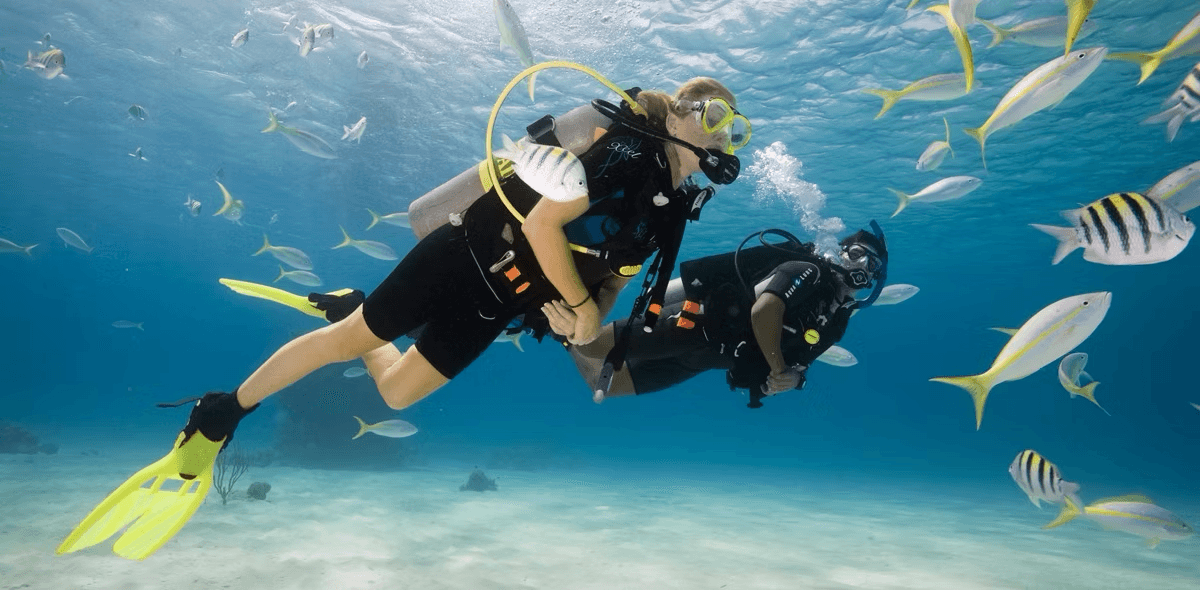
This quieter time is ideal for seeing manta rays and mola mola, especially from July to October.

Bali’s volcanic landscape creates breathtaking underwater scenes. You’ll find drop-offs, coral gardens, and rich marine life. The mix of dive conditions and stunning views makes Bali a top diving spot all year.

Best Beginner Diving Spots in Bali

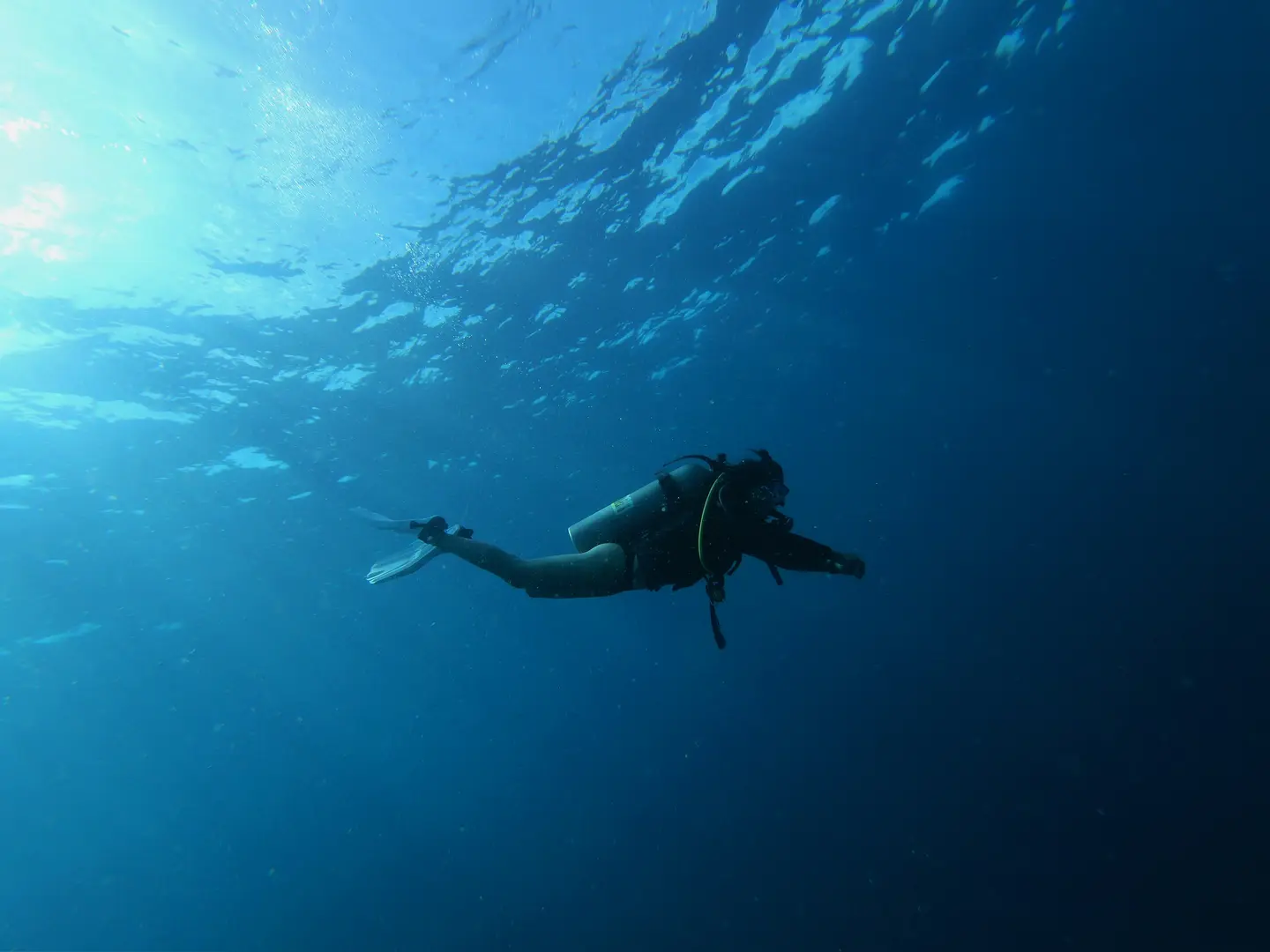
Diver in the open water space at blue lagoon bali

Beginner

Asia

Padang Bay, Bali

,

🇮🇩 Indonesia

Blue Lagoon

Blue Lagoon in Padang Bay, Bali, is a top beginner dive site perfect for scuba certification and learning dives. It features a shallow coastal reef with a sandy bottom, vibrant coral bommies, and a gentle slope teeming with colorful hard and soft corals. Divers encounter a surprising variety of marine life including small tropical fish, turtles, reef sharks, and occasional sightings of manta rays. The calm conditions and rich biodiversity make it ideal for new divers seeking easy, safe, and scenic underwater experiences.

View Details

Diver in the open water space at blue lagoon bali

Beginner

Asia

Padang Bay, Bali

,

🇮🇩 Indonesia

Blue Lagoon

Blue Lagoon in Padang Bay, Bali, is a top beginner dive site perfect for scuba certification and learning dives. It features a shallow coastal reef with a sandy bottom, vibrant coral bommies, and a gentle slope teeming with colorful hard and soft corals. Divers encounter a surprising variety of marine life including small tropical fish, turtles, reef sharks, and occasional sightings of manta rays. The calm conditions and rich biodiversity make it ideal for new divers seeking easy, safe, and scenic underwater experiences.

View Details

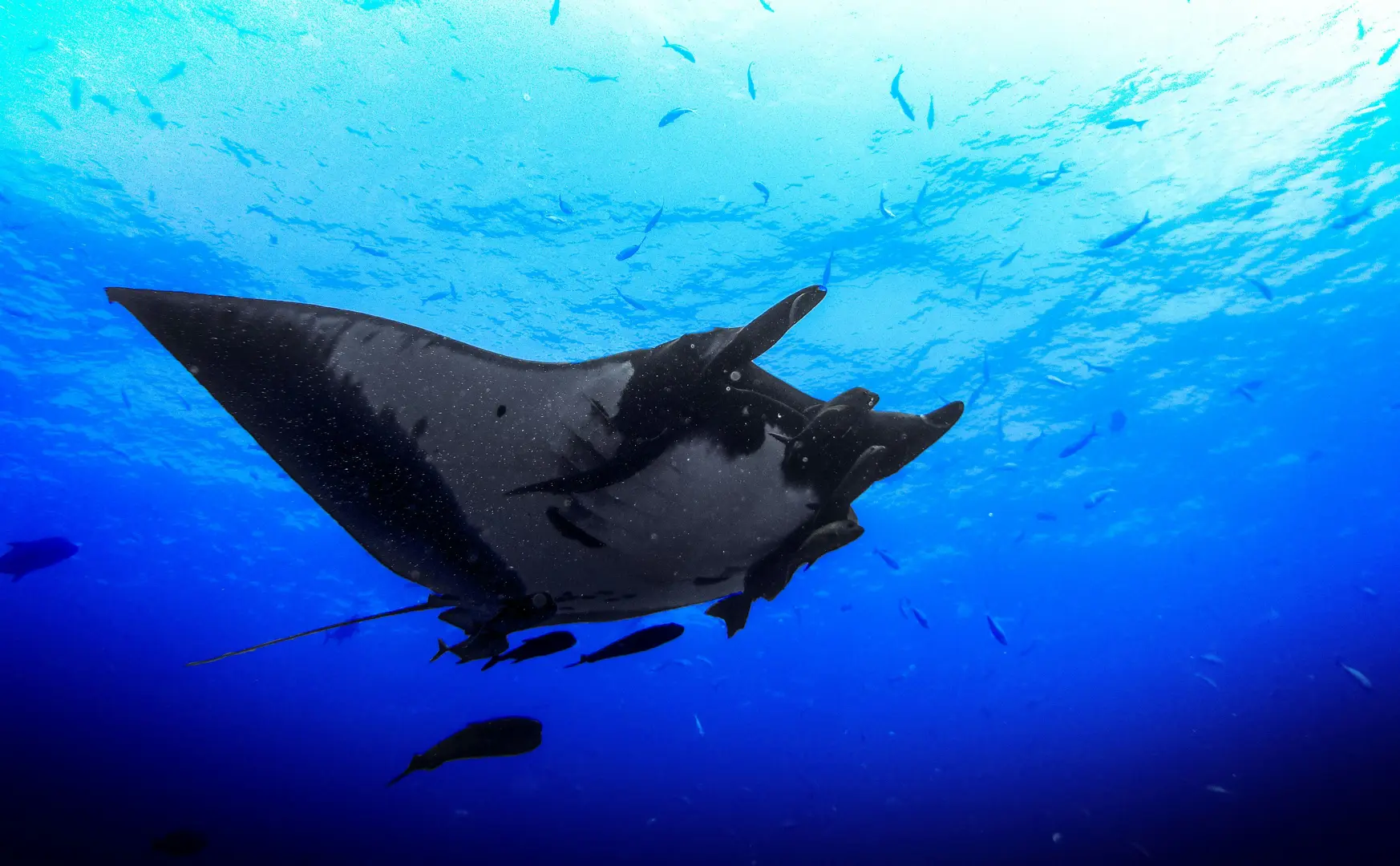
manta ray at manta point nusa penida

Beginner

Asia

Nusa Penida, Bali

,

🇮🇩 Indonesia

Manta Point

Manta Point Nusa Penida is one of the most famous dive sites in Bali and worldwide, located off the southwestern coast of Nusa Penida. This iconic dive spot, known as a top manta ray cleaning station, attracts large reef manta rays year-round, typically with wingspans of 3-5 meters, that visit to have parasites removed by smaller reef fish. At Manta Point Nusa Penida, divers and snorkelers experience breathtaking underwater scenes with a sandy bottom, massive coral formations, and boulders where manta rays gracefully glide between the shallows and cleaning stations. The site regularly offers encounters with 10-20+ manta rays per dive, making Manta Point Nusa Penida one of the most reliable locations for manta ray sightings globally. The dramatic limestone cliffs of Nusa Penida plunge straight into the ocean around Manta Point, creating a stunning backdrop. Besides mantas, the rich marine biodiversity at Manta Point Nusa Penida includes bamboo sharks, blue-spotted stingrays, reef sharks, nudibranchs, and occasionally rare sightings of Mola mola (sunfish) or whale sharks. Manta Point Nusa Penida is suitable for divers of all certification levels and even snorkeling, thanks to its shallow cleaning stations. However, divers should be aware that currents and swell can vary, making conditions challenging at times. For snorkelers, there is also a nearby Manta Point II (New Manta Point) with similar features but generally smaller mantas and calmer waters.

View Details

manta ray at manta point nusa penida

Beginner

Asia

Nusa Penida, Bali

,

🇮🇩 Indonesia

Manta Point

Manta Point Nusa Penida is one of the most famous dive sites in Bali and worldwide, located off the southwestern coast of Nusa Penida. This iconic dive spot, known as a top manta ray cleaning station, attracts large reef manta rays year-round, typically with wingspans of 3-5 meters, that visit to have parasites removed by smaller reef fish. At Manta Point Nusa Penida, divers and snorkelers experience breathtaking underwater scenes with a sandy bottom, massive coral formations, and boulders where manta rays gracefully glide between the shallows and cleaning stations. The site regularly offers encounters with 10-20+ manta rays per dive, making Manta Point Nusa Penida one of the most reliable locations for manta ray sightings globally. The dramatic limestone cliffs of Nusa Penida plunge straight into the ocean around Manta Point, creating a stunning backdrop. Besides mantas, the rich marine biodiversity at Manta Point Nusa Penida includes bamboo sharks, blue-spotted stingrays, reef sharks, nudibranchs, and occasionally rare sightings of Mola mola (sunfish) or whale sharks. Manta Point Nusa Penida is suitable for divers of all certification levels and even snorkeling, thanks to its shallow cleaning stations. However, divers should be aware that currents and swell can vary, making conditions challenging at times. For snorkelers, there is also a nearby Manta Point II (New Manta Point) with similar features but generally smaller mantas and calmer waters.

View Details

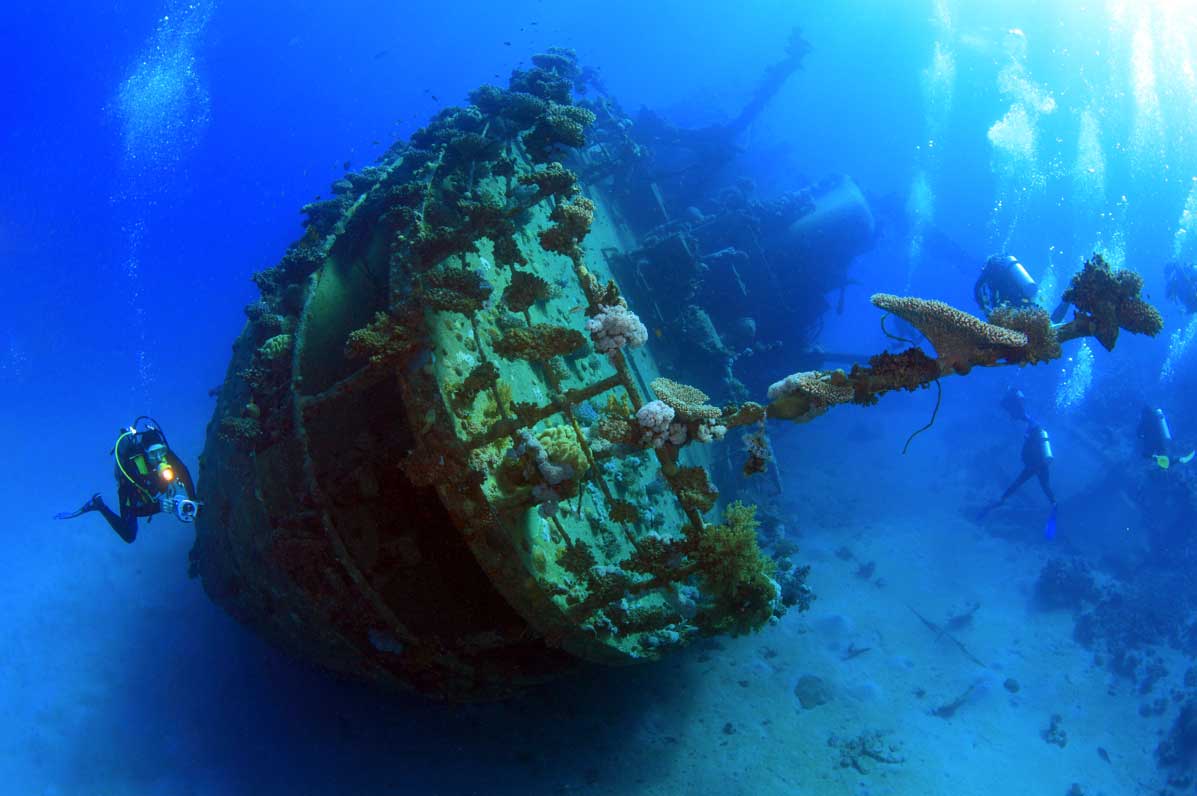
diver with the USAT liberty wreck in Bali

Beginner

Asia

Tulamben, Bali

,

🇮🇩 Indonesia

USAT Liberty Wreck

The USAT Liberty wreck is one of Bali’s most famous and accessible dive sites, rich with history and marine life. Originally built in 1918 as a United States Army cargo ship, the Liberty served in both World War I and II. On January 11, 1942, during World War II, it was torpedoed by a Japanese submarine in the Lombok Strait while transporting rubber and railroad parts. Severely damaged, the ship was towed toward Singaraja in North Bali but began taking on water, forcing its beaching at Tulamben to salvage its cargo. For about 20 years, the ship remained beached, becoming a familiar landmark. In 1963, the eruption of Mount Agung triggered earthquakes and land shifts that pushed the ship off the beach into the sea, breaking it in two. The wreck now lies underwater approximately 40 meters from the shore, with depths ranging from 5 meters at the stern to about 30 meters at its lowest point. It rests parallel to the shore, making it easily accessible for divers and snorkelers of all experience levels. Over decades, the Liberty has formed a thriving artificial reef, covered in coral and inhabited by more than 400 marine species, including notable residents like the bumphead parrotfish. Its unique history combined with vibrant underwater life makes the USAT Liberty wreck a must-visit dive site in Bali

View Details

diver with the USAT liberty wreck in Bali

Beginner

Asia

Tulamben, Bali

,

🇮🇩 Indonesia

USAT Liberty Wreck

The USAT Liberty wreck is one of Bali’s most famous and accessible dive sites, rich with history and marine life. Originally built in 1918 as a United States Army cargo ship, the Liberty served in both World War I and II. On January 11, 1942, during World War II, it was torpedoed by a Japanese submarine in the Lombok Strait while transporting rubber and railroad parts. Severely damaged, the ship was towed toward Singaraja in North Bali but began taking on water, forcing its beaching at Tulamben to salvage its cargo. For about 20 years, the ship remained beached, becoming a familiar landmark. In 1963, the eruption of Mount Agung triggered earthquakes and land shifts that pushed the ship off the beach into the sea, breaking it in two. The wreck now lies underwater approximately 40 meters from the shore, with depths ranging from 5 meters at the stern to about 30 meters at its lowest point. It rests parallel to the shore, making it easily accessible for divers and snorkelers of all experience levels. Over decades, the Liberty has formed a thriving artificial reef, covered in coral and inhabited by more than 400 marine species, including notable residents like the bumphead parrotfish. Its unique history combined with vibrant underwater life makes the USAT Liberty wreck a must-visit dive site in Bali

View Details

Diver in the open water space at blue lagoon bali

Beginner

Asia

Padang Bay, Bali

,

🇮🇩 Indonesia

Blue Lagoon

Blue Lagoon in Padang Bay, Bali, is a top beginner dive site perfect for scuba certification and learning dives. It features a shallow coastal reef with a sandy bottom, vibrant coral bommies, and a gentle slope teeming with colorful hard and soft corals. Divers encounter a surprising variety of marine life including small tropical fish, turtles, reef sharks, and occasional sightings of manta rays. The calm conditions and rich biodiversity make it ideal for new divers seeking easy, safe, and scenic underwater experiences.

View Details

manta ray at manta point nusa penida

Beginner

Asia

Nusa Penida, Bali

,

🇮🇩 Indonesia

Manta Point

Manta Point Nusa Penida is one of the most famous dive sites in Bali and worldwide, located off the southwestern coast of Nusa Penida. This iconic dive spot, known as a top manta ray cleaning station, attracts large reef manta rays year-round, typically with wingspans of 3-5 meters, that visit to have parasites removed by smaller reef fish. At Manta Point Nusa Penida, divers and snorkelers experience breathtaking underwater scenes with a sandy bottom, massive coral formations, and boulders where manta rays gracefully glide between the shallows and cleaning stations. The site regularly offers encounters with 10-20+ manta rays per dive, making Manta Point Nusa Penida one of the most reliable locations for manta ray sightings globally. The dramatic limestone cliffs of Nusa Penida plunge straight into the ocean around Manta Point, creating a stunning backdrop. Besides mantas, the rich marine biodiversity at Manta Point Nusa Penida includes bamboo sharks, blue-spotted stingrays, reef sharks, nudibranchs, and occasionally rare sightings of Mola mola (sunfish) or whale sharks. Manta Point Nusa Penida is suitable for divers of all certification levels and even snorkeling, thanks to its shallow cleaning stations. However, divers should be aware that currents and swell can vary, making conditions challenging at times. For snorkelers, there is also a nearby Manta Point II (New Manta Point) with similar features but generally smaller mantas and calmer waters.

View Details

diver with the USAT liberty wreck in Bali

Beginner

Asia

Tulamben, Bali

,

🇮🇩 Indonesia

USAT Liberty Wreck

The USAT Liberty wreck is one of Bali’s most famous and accessible dive sites, rich with history and marine life. Originally built in 1918 as a United States Army cargo ship, the Liberty served in both World War I and II. On January 11, 1942, during World War II, it was torpedoed by a Japanese submarine in the Lombok Strait while transporting rubber and railroad parts. Severely damaged, the ship was towed toward Singaraja in North Bali but began taking on water, forcing its beaching at Tulamben to salvage its cargo. For about 20 years, the ship remained beached, becoming a familiar landmark. In 1963, the eruption of Mount Agung triggered earthquakes and land shifts that pushed the ship off the beach into the sea, breaking it in two. The wreck now lies underwater approximately 40 meters from the shore, with depths ranging from 5 meters at the stern to about 30 meters at its lowest point. It rests parallel to the shore, making it easily accessible for divers and snorkelers of all experience levels. Over decades, the Liberty has formed a thriving artificial reef, covered in coral and inhabited by more than 400 marine species, including notable residents like the bumphead parrotfish. Its unique history combined with vibrant underwater life makes the USAT Liberty wreck a must-visit dive site in Bali

View Details

Best Advanced Diving Spots in Bali

Advanced

Asia

Nusa Penida, Bali

,

🇮🇩 Indonesia

Crystal Bay / Penida Bay

Crystal Bay is the most famous dive site in Bali and one of the world’s premier locations for encountering the elusive Mola Mola (ocean sunfish), the largest bony fish on the planet reaching over 2 meters in size. Located on the southwest coast of Nusa Penida at the southern end of Ceningan Channel, this small sheltered bay features crystal-clear water with visibility reaching 30-50 meters, the best in all of Bali. The site features a sandy slope starting at 10 meters that descends deeper toward the channel, with hard coral reefs on either side beginning at 5-6 meters. A distinctive rocky island with a temple sits in the middle of the bay. The reef transitions to a steep wall dropping very deep toward the channel where Mola Mola ascend from 20-70 meters to cleaning stations during their season. The site also features an underwater Bat Cave accessible at 20-24 meters where divers can surface inside while bats sleep overhead. Crystal Bay is recommended for advanced divers due to unpredictable strong currents, sudden downcurrents, and cold thermoclines that can occur especially near the drop-off. Besides Mola Mola, the site hosts turtles, reef sharks (wobbegong, leopard, thresher), eagle rays, moray eels, frogfish, banded sea snakes, and abundant tropical reef fish.

View Details

Advanced

Asia

Nusa Penida, Bali

,

🇮🇩 Indonesia

Crystal Bay / Penida Bay

Crystal Bay is the most famous dive site in Bali and one of the world’s premier locations for encountering the elusive Mola Mola (ocean sunfish), the largest bony fish on the planet reaching over 2 meters in size. Located on the southwest coast of Nusa Penida at the southern end of Ceningan Channel, this small sheltered bay features crystal-clear water with visibility reaching 30-50 meters, the best in all of Bali. The site features a sandy slope starting at 10 meters that descends deeper toward the channel, with hard coral reefs on either side beginning at 5-6 meters. A distinctive rocky island with a temple sits in the middle of the bay. The reef transitions to a steep wall dropping very deep toward the channel where Mola Mola ascend from 20-70 meters to cleaning stations during their season. The site also features an underwater Bat Cave accessible at 20-24 meters where divers can surface inside while bats sleep overhead. Crystal Bay is recommended for advanced divers due to unpredictable strong currents, sudden downcurrents, and cold thermoclines that can occur especially near the drop-off. Besides Mola Mola, the site hosts turtles, reef sharks (wobbegong, leopard, thresher), eagle rays, moray eels, frogfish, banded sea snakes, and abundant tropical reef fish.

View Details

Where to book a dive trip in Bali?