Getting Scuba Certified in Bali: Costs, Courses and How to Choose
Bali is one of the easiest places in the world to learn to dive. This guide explains how scuba certification in Bali works, from PADI and SSI Open Water courses to what a school should include, so you can pick the right course with confidence.
Indonesia
Guide
Asia
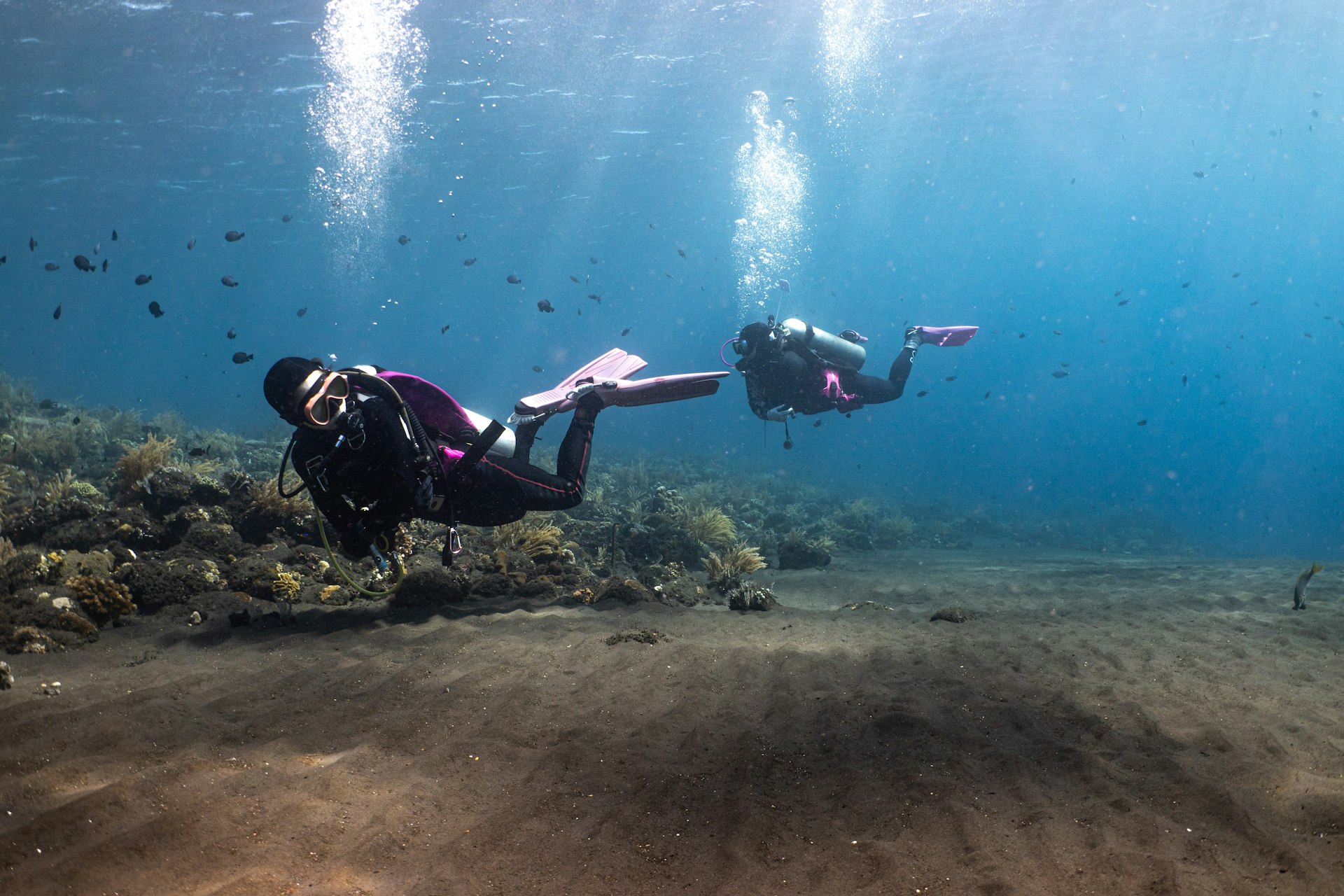
Photo by
Nott Peera
Scuba certification in Bali usually means signing up for a PADI or SSI Open Water Diver course, the entry-level qualification that lets you dive on your own to about 18 metres. Most courses run three to four days and mix online or classroom theory with pool skills and open water dives on Bali's reefs. This guide covers the course levels, what things really cost, and how to pick a good dive school.
What Scuba Certification Actually Covers
A scuba certification is proof you've learned the core skills to dive safely: managing your air supply, clearing your mask, controlling buoyancy, and handling small problems underwater. In Bali, almost every dive center teaches to PADI or SSI standards, so a certification earned here is recognized by dive operators worldwide.
The entry-level card, PADI Open Water Diver or SSI Open Water Diver, lets you dive to 18 metres with a buddy, without an instructor. You'll learn to set up your own gear, plan a dive, and manage common issues like a flooded mask or an out-of-air buddy. Everything builds from there: deeper limits, new skills, and more independence come with each course you add.
PADI vs SSI: Which Should You Choose in Bali?
PADI and SSI are the two certifying agencies you'll meet across Bali's dive centers, and both teach the same core skills to similar safety standards. The real difference is style, not substance. PADI uses standardized, structured materials, while SSI gives instructors a bit more freedom in how they teach. Either card lets you dive anywhere in the world.
Some Bali dive centers run only PADI, some run only SSI, and a few offer both, so your choice may come down to which school you like rather than which agency. If you already dive with friends or family who hold one card, matching theirs makes it easier to plan future trips together. For a wider look at how certification paths compare outside Indonesia, see our guide to getting certified in Thailand.
The Open Water Diver Course: What to Expect
The PADI or SSI Open Water Diver course is the standard starting point for scuba certification in Bali. It typically takes three to four days and includes online or classroom theory, pool (confined water) skills practice, and four dives in open water, usually on a shallow, sheltered reef.
Before you start, most schools ask you to complete a medical statement and pass a basic swim test, since you need to be comfortable in the water before learning to dive in it. Many divers do the theory part online before arriving in Bali, which cuts the in-person course down to two or three days of pool and open water time. If you've never dived at all, our beginner's guide to scuba diving covers what a first Discover Scuba experience feels like before you commit to a full course.
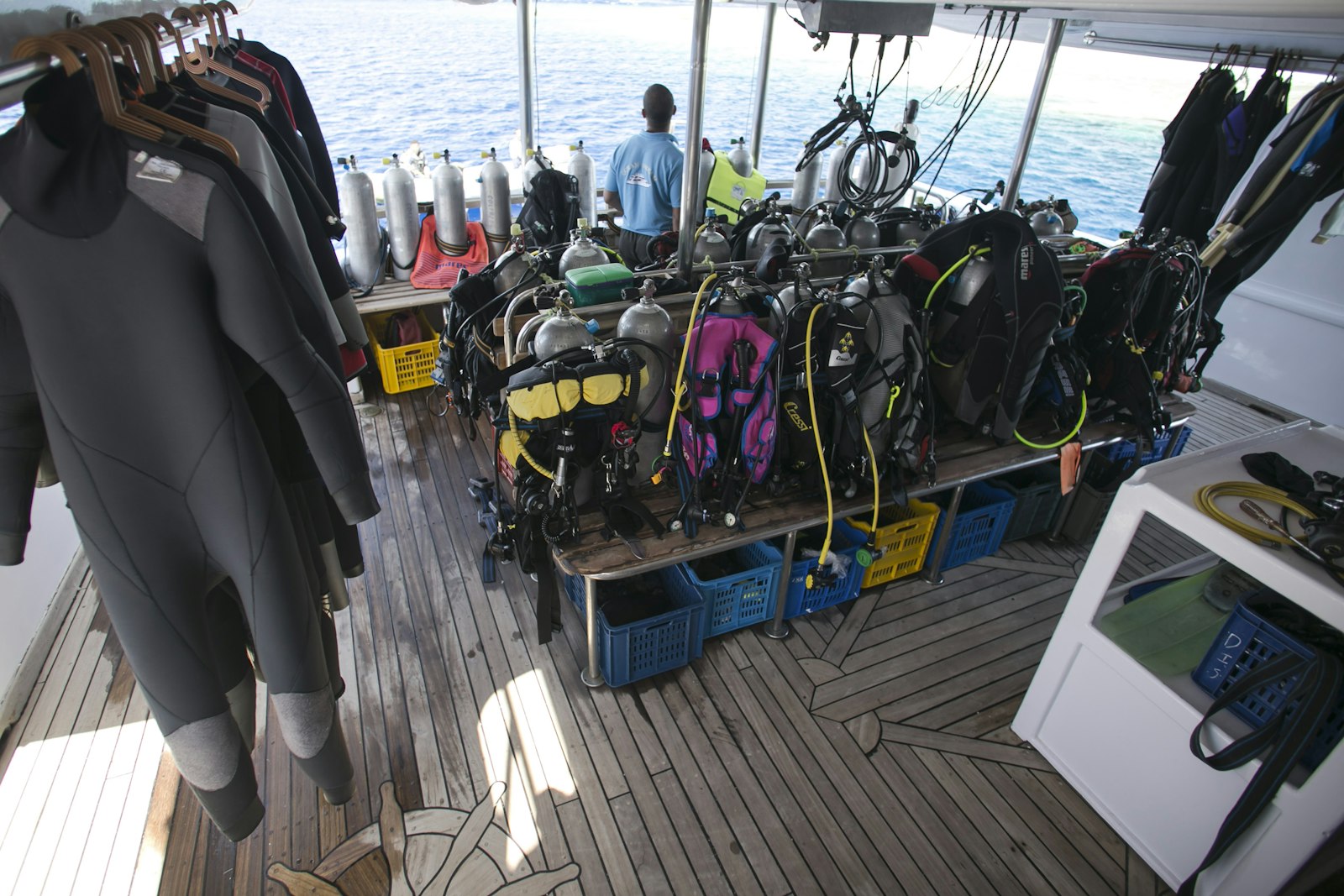
Photo by Claudia Salamone
Your dive center sets up and checks this gear for you throughout the course, so part of the training is simply learning to recognize a properly assembled rig and to run through the pre-dive safety check with your buddy before every dive.
Beyond Open Water: Advanced, Rescue and Divemaster
Once you're Open Water certified, Bali is a good place to keep building skills. The Advanced Open Water course adds five dives, including a deep dive to 30 metres and an underwater navigation dive, and usually takes two days. From there, Rescue Diver and Divemaster move you toward professional-level diving.
Rescue Diver training focuses on spotting and handling problems, both your own and a buddy's, and is widely seen as the course that makes divers noticeably more confident underwater. Divemaster is the first professional rating, built for divers who want to guide, assist instructors, or eventually train as an instructor themselves. Several Bali dive centers run Divemaster internships that combine training with real work experience over several weeks.
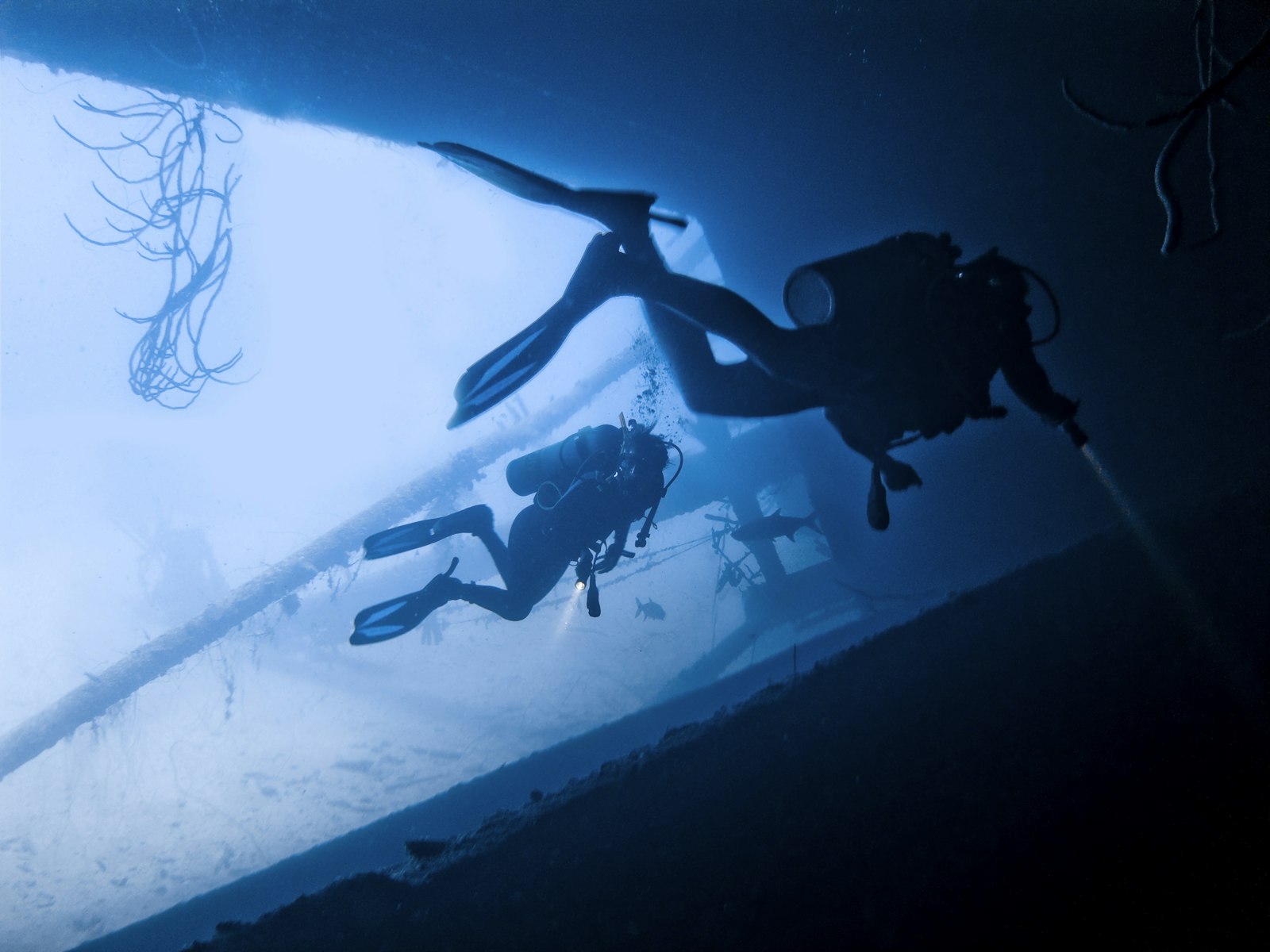
Photo by Vlad Tchompalov
Advanced and Rescue training is also where you start diving in the kind of conditions a first-timer would skip, like wrecks, stronger currents or lower light, always with an instructor guiding the skills.
How Much Does Scuba Certification in Bali Cost?
Course prices vary by dive center, group size, and whether accommodation or gear rental is included, so it's worth asking exactly what's covered before you book. As a general rule, Bali is one of the more affordable places in Southeast Asia to get certified compared with dive destinations in Europe, Australia or the US.
Most course prices include instruction, equipment rental, dive fees and certification processing. Extras to watch for are the PADI or SSI eLearning fee (sometimes billed separately), a dive medical if you have a health condition that needs sign-off, and optional specialty courses like Nitrox or underwater photography. Private courses, where you're the only student, usually cost more than joining a small group.
How to Choose the Right Dive Center in Bali
The right dive center for your scuba certification in Bali depends on class size, instructor experience, and what kind of diving you want to do afterward. A smaller instructor-to-student ratio generally means more individual attention in the pool and during your open water dives.
Look for a PADI 5-Star or SSI-affiliated center with clear reviews, a proper training pool or sheltered confined water site, and instructors who speak your language well. Ask how many students will be in your group, whether your open water dives happen on the same day as pool sessions or on separate days, and what happens if weather cancels a dive. You can compare verified, published operators on our dive center directory and browse specific sites on our dive site directory before you commit to a course.
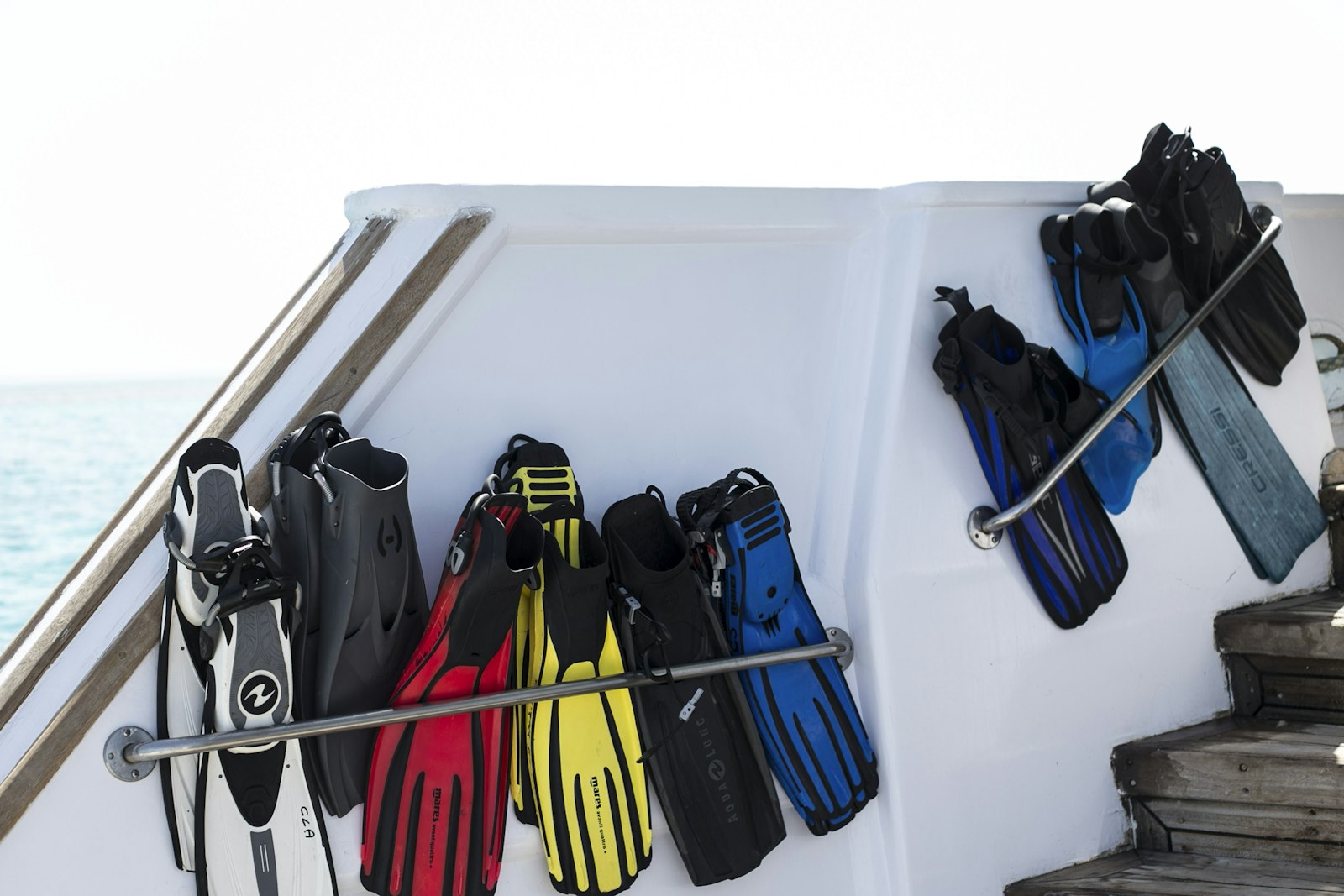
Photo by Claudia Salamone
A well-run dive center keeps its rental gear this organized: fins, wetsuits and masks sorted by size and hung to dry between dives, which is a small but useful sign of how seriously a school takes its equipment and its students.
Frequently Asked Questions
How long does it take to get scuba certified in Bali?
Most Open Water Diver courses in Bali take three to four days from start to finish, combining theory, pool sessions and four open water dives.
Do I need to know how to swim to get certified?
Yes. Both PADI and SSI Open Water courses require a basic swim test and a comfortable feel in the water before pool training begins.
Is PADI or SSI better for a first certification in Bali?
Neither is better. PADI and SSI teach the same core skills to similar standards, and certifications from either agency are recognized by dive operators worldwide.
What's the minimum age for scuba certification?
PADI and SSI both offer junior Open Water courses from around age 10, with some depth and supervision limits, alongside the standard course from age 15.
Can I dive again after certification without more training?
Yes. Once certified, you can join fun dives with a Bali dive center within the depth limit of your certification level, usually with a local dive guide.
Where to Book Your Bali Dive Course
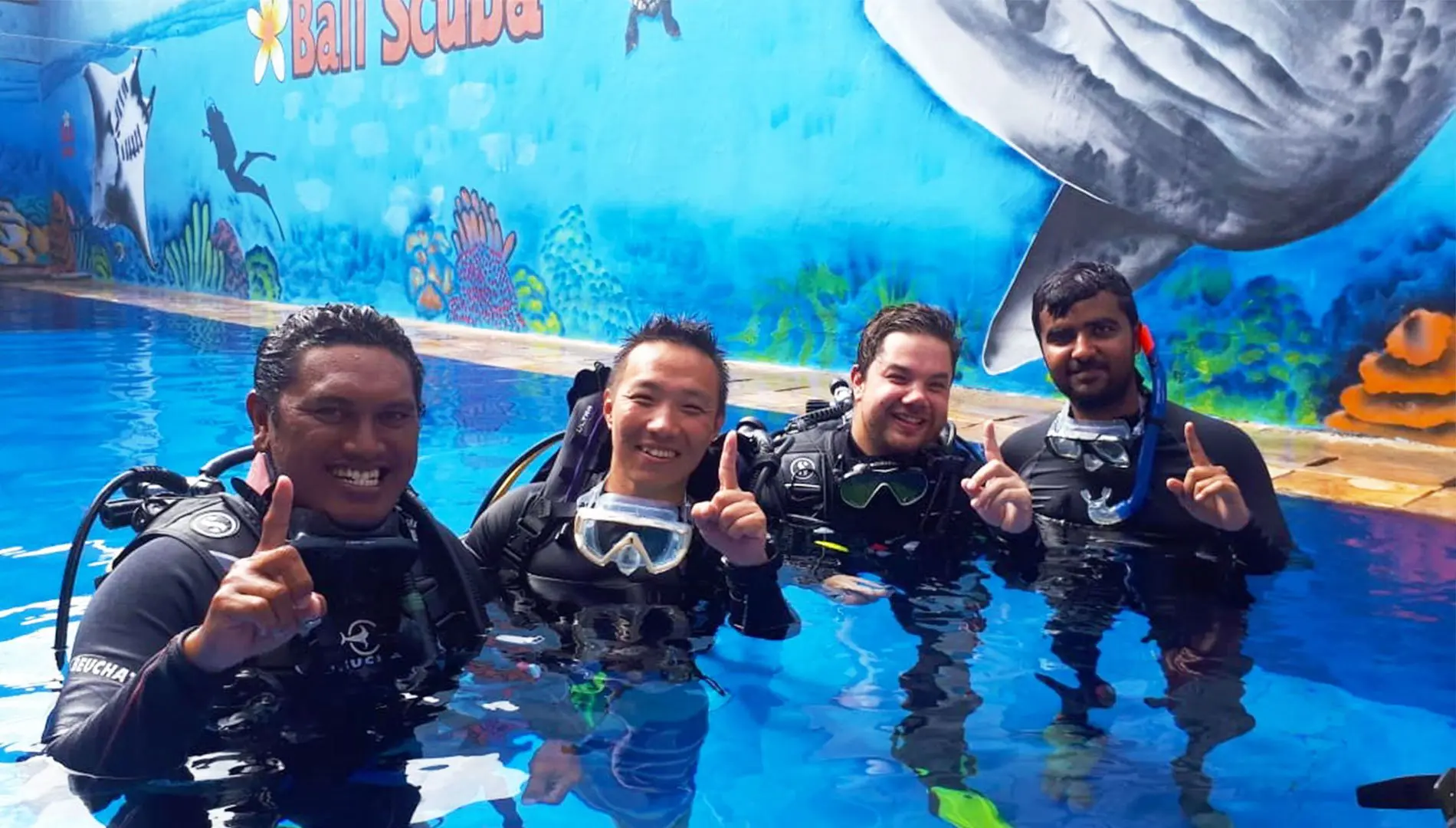
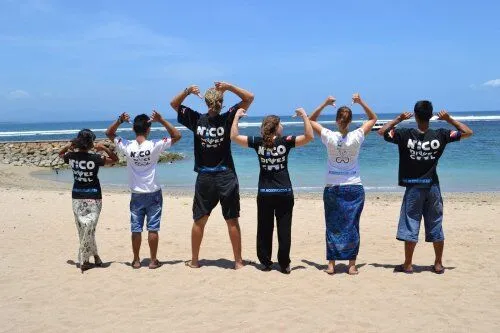
Ready to book? Adventure Scuba Diving Bali and Bali Scuba are both verified, PADI 5-Star operations with strong track records for teaching Open Water courses, while Nico Dives Cool Bali is a highly-rated Sanur school offering both SSI and PADI courses. Compare all three, check current pricing and availability, and pick the school and course dates that fit your trip.

Where to book your Bali dive trip?

Find certified PADI, SSI, and RAID schools across Asia. Your guide to the world’s most unforgettable dive spots.