Amed Diving Guide: Easy Shore Diving in East Bali
Amed is a string of quiet fishing villages on Bali's northeast coast, where shore diving replaces boat rides and black volcanic sand replaces white beaches. The water stays calm most of the year. That makes Amed diving an easy, unhurried alternative to Bali's busier dive spots.
Indonesia
Guide
Asia

Photo by
Alexander Nrjwolf
Amed diving means calm, current-free shore dives on Bali's quiet northeast coast, not big boats or crowded jetties. You walk in off black volcanic sand and drop straight onto coral gardens, a shallow shipwreck and a trail of coral-covered statues. Amed suits beginners, photographers and anyone who wants a slower pace than Bali's busier dive hubs. Most sites sit close enough together to dive two or three in one day.
What Makes Amed Diving Different
Amed diving is shore diving. You step off the beach, not a boat, and reach the reef within a few fin kicks. A headland shelters the bay, so currents stay mild and visibility holds up most of the year. That combination makes Amed a favourite for Open Water students, underwater photographers and divers who want an easy, unrushed day.
Amed is not one town. It is a stretch of small fishing villages, including Amed itself, Jemeluk, Bunutan, Lipah and Selang, strung along a few kilometres of coast. Each village has its own beach entry and its own house reef. You can dive a new site each day without moving your bags.
The coast still runs on traditional fishing. Brightly painted jukung, the outrigger boats used by local fishermen, line the black sand beaches every morning and evening. Some dive centers use the same jukung to reach sites just offshore, so the whole experience stays close to the village.
Best Amed Dive Sites
The best Amed dive sites sit within a short walk or a five-minute boat hop of the shore. Jemeluk Bay has the area's easiest reef, the Japanese Wreck offers a shallow, coral-covered shipwreck, and Lipah Bay hides a trail of sunken statues built as an artificial reef. Most sites run from the surface down to 25–30 metres, so new and experienced divers can share the same reef.
Jemeluk Bay is Amed's most popular entry point. A wide coral slope drops gently from the shallows, with clownfish, parrotfish and the occasional turtle grazing on the reef. It is an easy, sheltered dive that works well for beginners and check-out dives.
The Japanese Wreck at Banyuning is a small World War II era vessel resting in shallow water close to shore. Soft coral and reef fish now cover the hull. Its shallow depth makes it a relaxed dive or an excellent snorkel.
Lipah Bay holds an artificial reef of concrete statues, deliberately sunk to give coral something to grow on. Divers drift past sculpted figures now dressed in sponge and soft coral, with reef fish weaving between them.
Gili Selang, at the eastern tip near Amed, is the region's advanced site. Stronger currents bring bigger fish and, on good days, grey reef sharks. It suits experienced divers who want more current and bigger animals than Amed's sheltered bays offer.
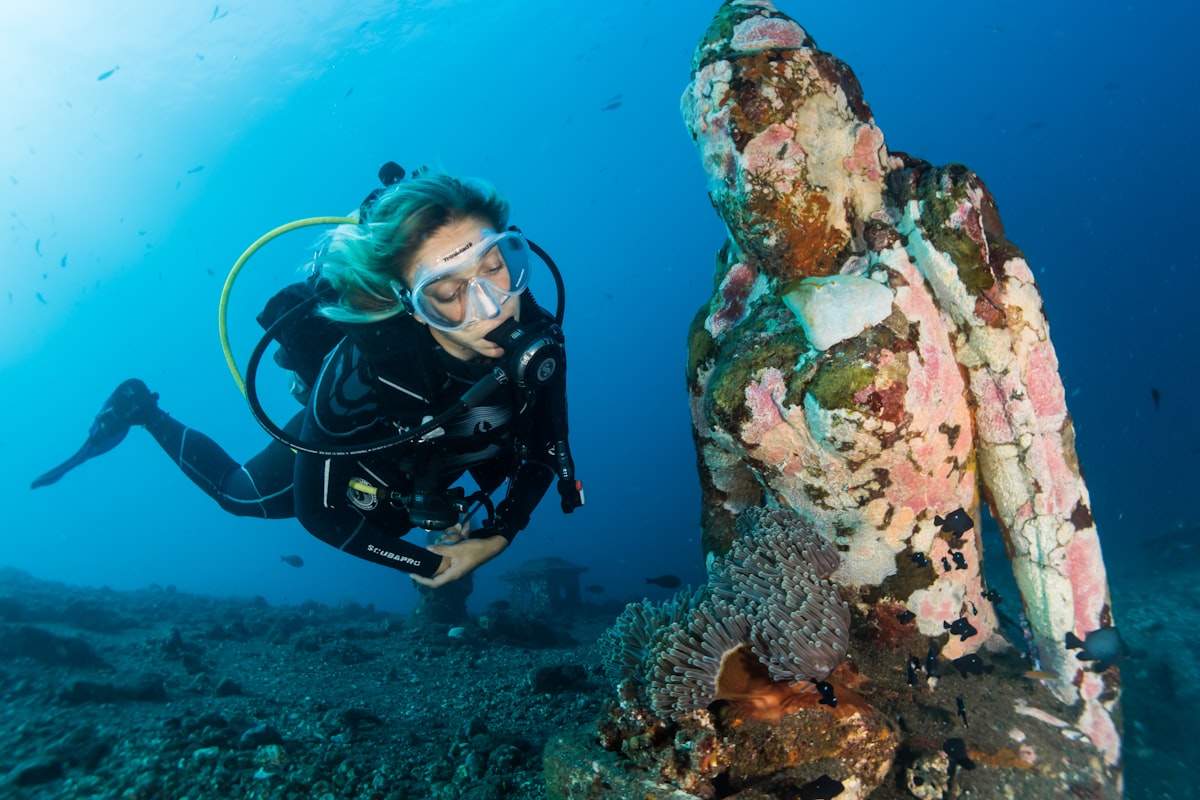
Photo by Sebastian Pena Lambarri
Marine Life in Amed's Waters
Amed's reefs hold small reef fish, macro critters and a few larger visitors. Expect clownfish, parrotfish, garden eels and nudibranchs on most dives. Turtles, bumphead parrotfish and reef sharks show up at the livelier sites.
Macro photographers rate Amed highly. The black sand slopes around Lipah and Bunutan hide nudibranchs, ghost pipefish and frogfish for those who look closely. Wide-angle shooters get their reward at Jemeluk and the Japanese Wreck, where coral cover and clear shallows make for easy, well-lit shots.
Amed also runs regular night dives. After dark, the reef changes shift: crabs and shrimp come out to feed, octopuses hunt across the sand, and sleeping parrotfish tuck themselves into the coral. The shallow, current-free bays that make Amed easy by day make it just as manageable after sunset.
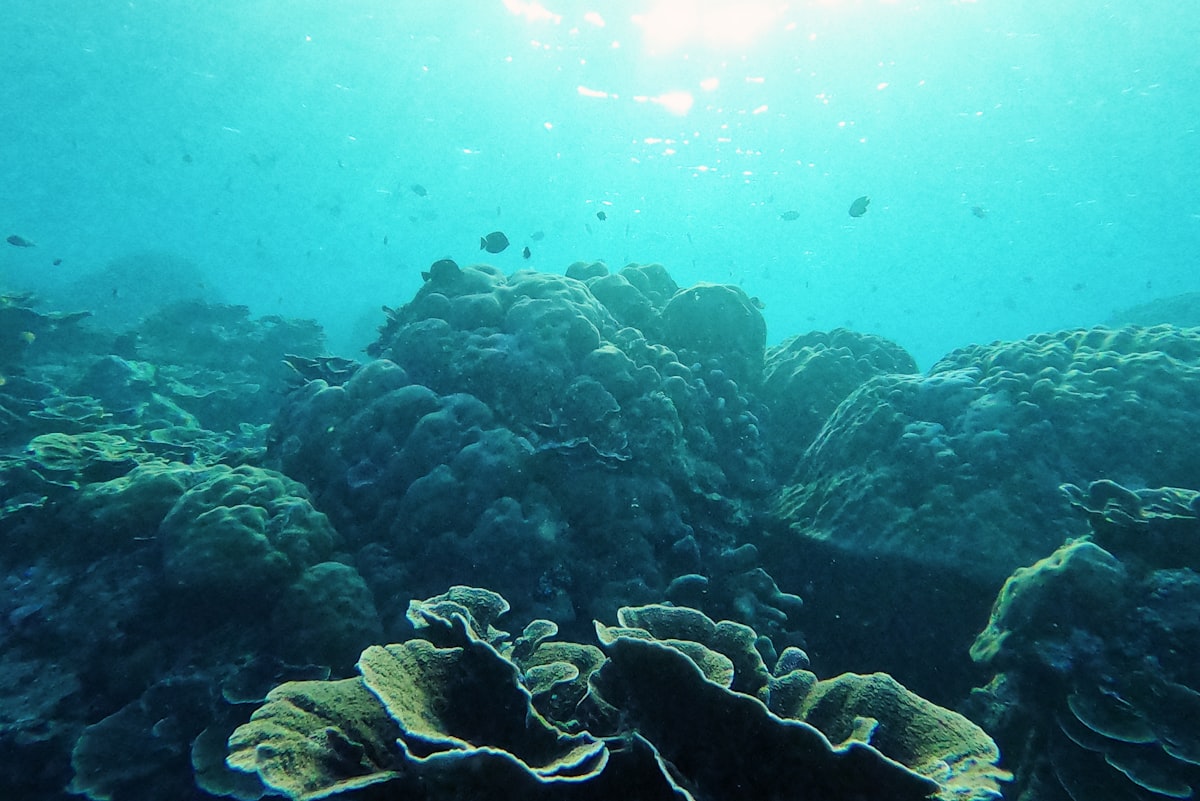
Photo by Max Kukurudziak
Best Time to Dive Amed
Amed is diveable year-round because its bay stays sheltered from the open ocean swell that hits Bali's south coast. The dry season, roughly April to November, brings the calmest water and best visibility. For a fuller month-by-month breakdown across the island, see our guide to the best time to dive Indonesia.
Getting to Amed and Planning Your Trip
Amed sits two to two and a half hours by road from Denpasar and Bali's main airport, on the island's quieter northeast coast. Most visitors stay in one of Amed's villages for a few nights and dive straight from their guesthouse beach, rather than commuting in each day.
Amed's shore-dive setup also makes it a relaxed base for certification. Local dive centers run PADI and SSI courses in the same sheltered bays used for fun dives. Students train and qualify without ever needing a boat.
Shore entries in Amed cross volcanic rock and pebbles rather than soft sand, so dive booties make the walk in far more comfortable. Most dive centers carry your gear down to the water, which keeps entries simple even for newer divers.
Amed has also grown into one of Bali's main freediving hubs. The same calm, clear bays that suit new scuba divers give freedivers easy depth close to shore, and schools in Jemeluk teach freediving courses year-round.
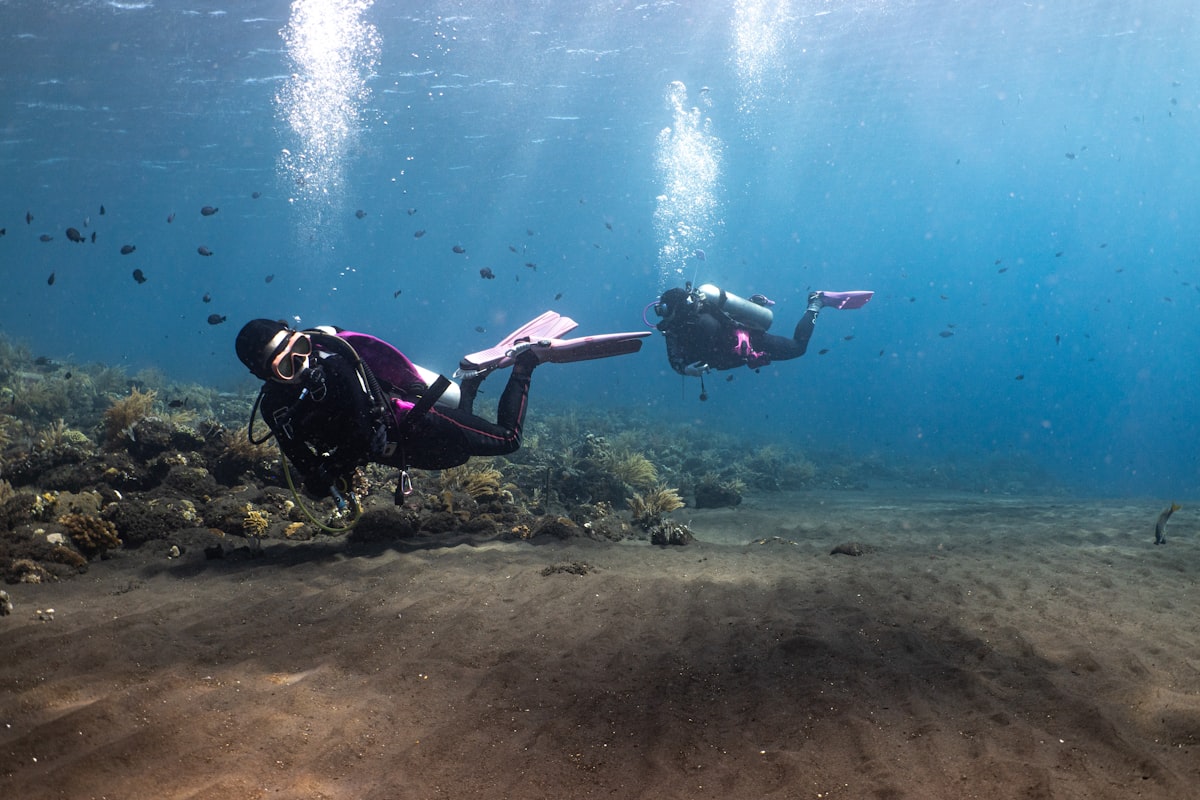
Photo by Nott Peera
Amed vs Tulamben: Which Should You Choose?
Amed and Tulamben sit about twenty minutes apart on Bali's northeast coast, and many divers base themselves in one and day-trip to the other. Tulamben is home to the famous USAT Liberty Wreck, a much larger and deeper shipwreck than anything in Amed. Amed offers a wider spread of shallow, beginner-friendly sites and a quieter, more spread-out village feel. Divers based in either town usually dive both over a few days.
Frequently Asked Questions About Amed Diving
Is Amed diving suitable for beginners?
Yes. Most Amed sites are shallow, sheltered shore dives with mild currents, so they suit new divers and Open Water students well.
Do I need a boat to dive in Amed?
No. At nearly every site in Amed, including Jemeluk Bay, the Japanese Wreck and Lipah Bay, you walk straight in from the beach.
How far is Amed from Tulamben?
Amed and Tulamben sit about twenty minutes apart by road, so divers based in either town can easily day-trip to the other.
What is the best time of year for Amed diving?
Amed is diveable year-round thanks to its sheltered bay. The dry season, roughly April to November, brings calmer water and clearer visibility.
Can I see the Lipah Bay statues while snorkeling?
Yes. The Lipah Bay statues sit in shallow water close to shore, so snorkelers can see them as well as divers.
Where to Dive in Amed
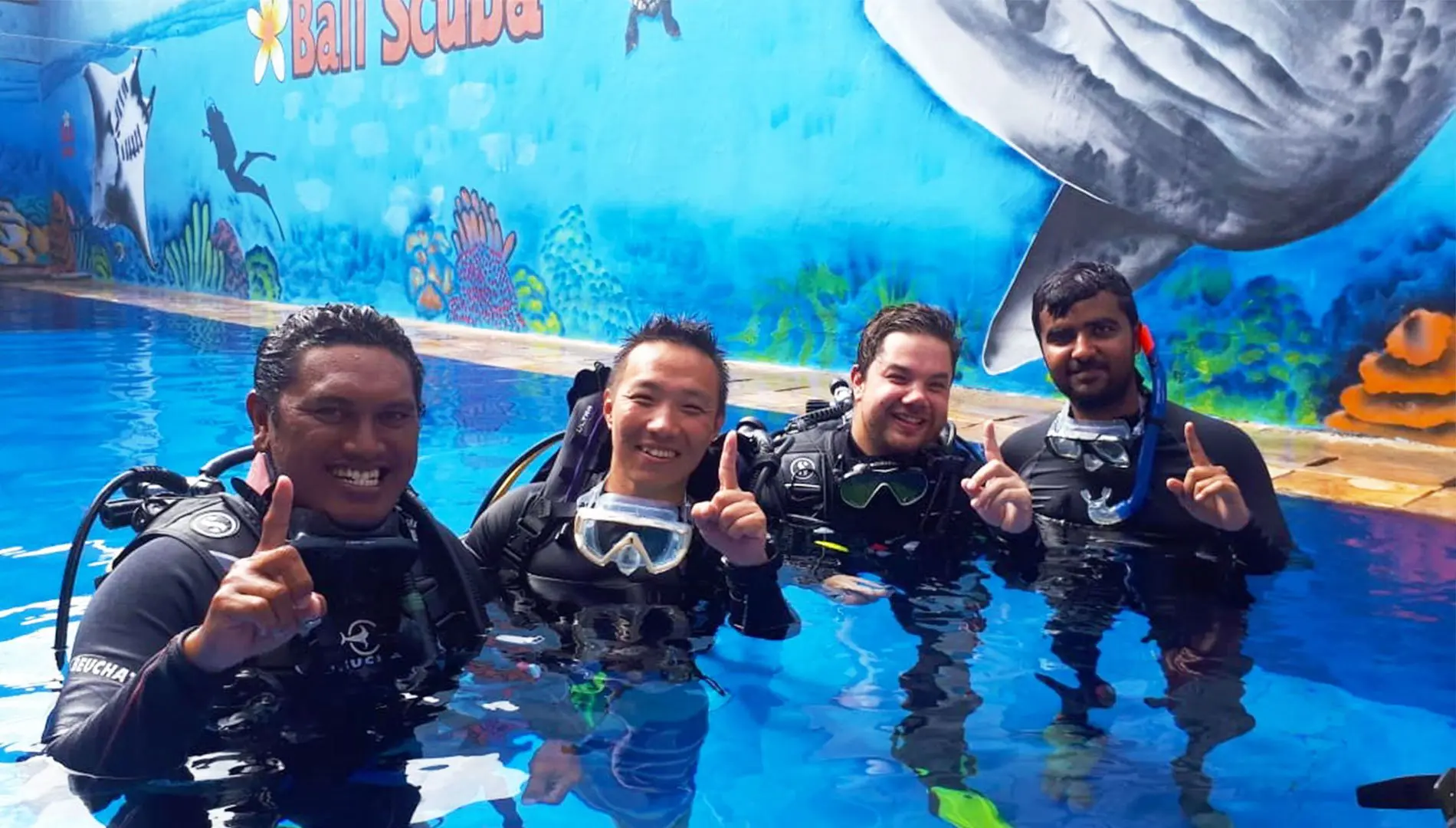
Ready to dive Amed? Adventure Scuba Diving Bali, Bali Scuba and Nico Dives Cool Bali all run trips and courses on Bali's northeast coast. Compare dive centers, browse dive sites across Indonesia, and book your Amed dive trip.


Where to book your Bali dive trip?

Find certified PADI, SSI, and RAID schools across Asia. Your guide to the world’s most unforgettable dive spots.