Guides
South East Asia
Bali's Underwater Horizon: Diving Conditions in 2026
2026 offers exceptional diving clarity and stability in Bali's major zones, confirming its status as a premier Southeast Asian dive destination.
Updated on:
Dec 10, 2025
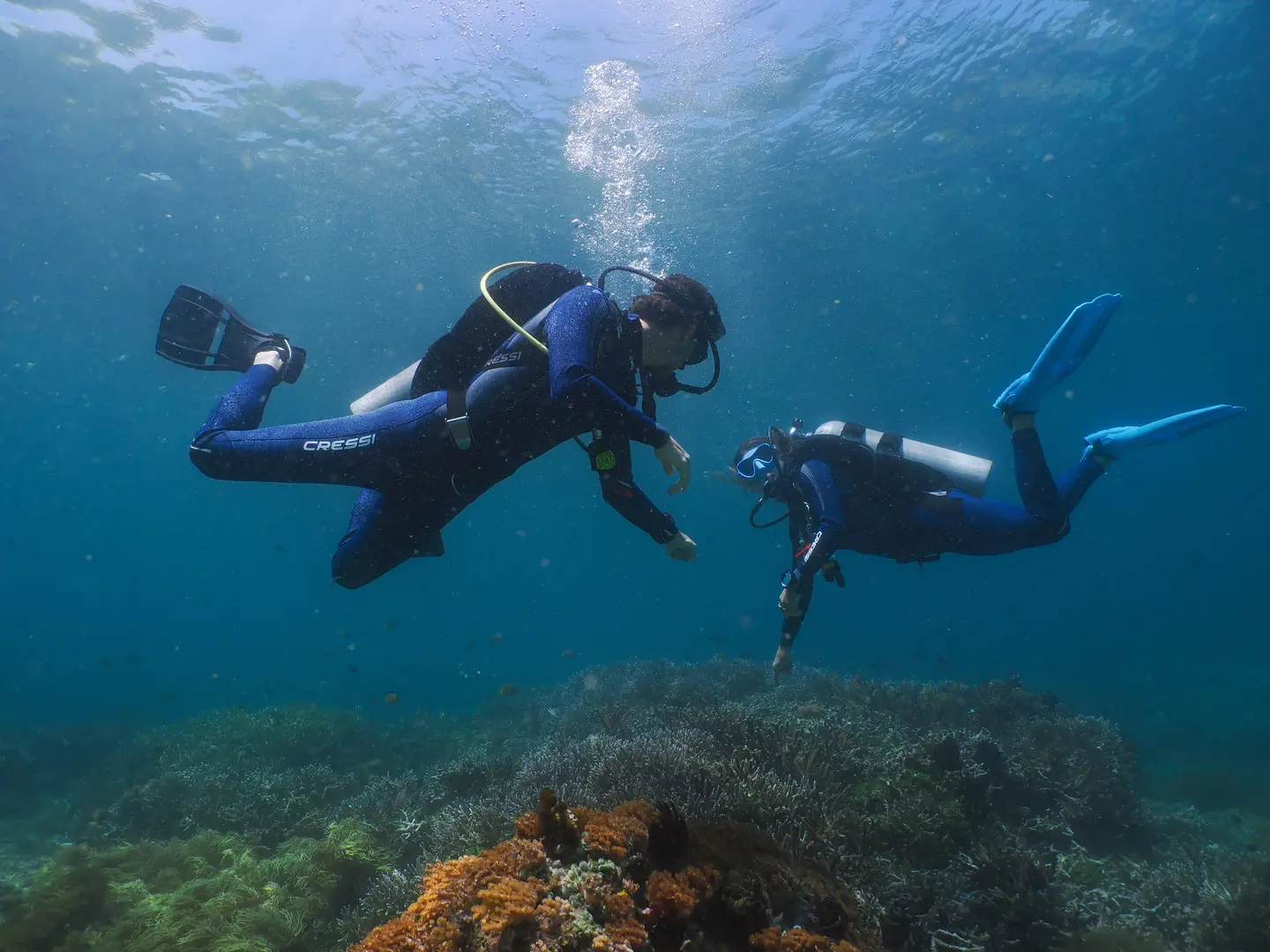
Bali maintains its reputation for high-quality, accessible diving into 2026, offering optimal conditions for certification and advanced exploration.
This Scubalo guide provides current site analysis, marine forecasts, and logistical data essential for planning your expedition.
Dive Site Overview
Bali's dive infrastructure remains robust, focusing on two primary, beginner-friendly areas noted for consistent conditions:
Menjangan Island (West Bali National Park)
Depth: 12-40 meters (Wall diving and reef slopes)
Visibility: 20-35 meters
Difficulty: Easy to Moderate (Excellent drift potential)
Blue Lagoon (Padangbai)
Depth: 5-25 meters (Shallow reef and sloping bottom)
Visibility: 15-25 meters (Can fluctuate based on currents)
Difficulty: Easy (Ideal for introductory dives and macro photography)
Marine Life
Marine diversity remains a hallmark of the Balinese archipelago, strongly featuring coral ecosystems and pelagic life.
Reef sharks (Blacktip and Whitetip)
Mola Mola (Seasonal sightings, often July-October)
Mantas Rays (Year-round presence in cleaning stations)
Moray Eels (Giant and Fimbriated species)
Nudibranchs and Pygmy Seahorses (High concentration of macro subjects)
Best Time to Dive
Bali experiences two main seasons influencing dive conditions. Optimal clarity and temperatures coincide with the dry season.
Dry Season (April - October): Water temperatures stable at 26°C - 29°C. Highest visibility windows and calmest surface conditions.
Wet Season (November - March): Visibility can drop, but water temperatures remain warm (27°C - 30°C). Sites are less crowded, offering logistical advantages.
Ready to dive? Submit a booking inquiry at Scubalo.com.